
 中文简体
中文简体
 English



postmaster@goobagelfood.com
Content
- 1 1. A Product Built Around Texture, Flavor, and Convenience
- 2 2. The Chewy Bagel Base as a Competitive Advantage
- 3 3. Tender Chicken Breast with Layered Teng Pepper Heat
- 4 4. Five Complementary Flavor and Texture Elements
- 5 5. Why the Product Can Stand Apart from Competing Bakery Items
- 6 6. Manufacturing Strengths Behind the Product
- 7 7. Private-Label and OEM Potential
- 8 8. Quality, Process Discipline, and Operational Reliability
- 9 9. Product Positioning and Consumer Appeal
- 10 10. Suggested Serving and Merchandising Approaches
- 11 11. The Manufacturer’s Broader Capability
- 12 12. Why This Product Is Relevant to Future Bakery Development
- 13 13. Frequently Asked Questions
- 13.1 Q1: What is the Chewy Bagel Base Teng Pepper Chicken Bagel?
- 13.2 Q2: What makes the bagel base different from ordinary filled bread?
- 13.3 Q3: Is the product extremely spicy?
- 13.4 Q4: What does teng pepper contribute to the flavor?
- 13.5 Q5: Why are cheese, peanuts, and sesame included?
- 13.6 Q6: What role does black pepper play?
- 13.7 Q7: Who can purchase or use this product?
- 13.8 Q8: Can the product be used for private-label development?
- 13.9 Q9: What manufacturing strengths support the product?
- 13.10 Q10: Can the product be sold in cafés and tea shops?
- 13.11 Q11: Does the product contain common allergens?
- 13.12 Q12: Why is an integrated supply chain important for commercial buyers?
- 13.13 Q13: How should the product be marketed to consumers?
- 13.14 Q14: What is the main competitive advantage of this bagel?
- 14 Conclusion
- 15 References
- 16 Product: Chewy Bagel Base Teng Pepper Chicken Bagel
The bagel has evolved far beyond its traditional role as a plain breakfast bread. Today, consumers expect bakery products to deliver more than a familiar shape and a satisfying chew. They want layered flavor, distinctive textures, convenient preparation, appealing ingredients, and a memorable eating experience. For retailers, cafés, foodservice operators, and private-label buyers, the challenge is to find products that satisfy these expectations while also delivering consistency, operational efficiency, and dependable supply.
The Chewy Bagel Base Teng Pepper Chicken Bagel is designed for this new generation of bakery consumption. Weighing 128 grams, it combines a firm, resilient bagel base with tender chicken breast, aromatic teng pepper, cheese, peanuts, sesame, and black pepper. Each component contributes a different sensory quality, creating a product that is chewy, savory, aromatic, numbing, spicy, creamy, nutty, and crunchy in one complete bite.
Its appeal comes from balance rather than excessive intensity. The bagel base provides a clean grain aroma and structural strength. The chicken contributes soft, savory protein. Teng pepper creates a bright, progressive numbing sensation, while heat builds gradually instead of overwhelming the palate immediately. Cheese softens the spice, peanuts add crunch, sesame adds roasted fragrance, and black pepper supplies a final aromatic lift.
Behind the product is Jiangsu Goobagel Food Technology Co., Ltd., a modern frozen bakery producer that has specialized in bagel research and manufacturing since 2019. The company integrates raw-material management, product development, production, and distribution into a connected supply chain. This integrated approach enables the development of more than 100 bagel varieties for retail, foodservice, café chains, tea brands, bakery operators, and other commercial customers.
This article examines the product’s sensory design, ingredient structure, manufacturing strengths, commercial advantages, and potential applications. It also explains why the combination of a hand-shaped chewy base and a layered Chinese-inspired chicken filling gives this bagel a distinctive position in a competitive bakery market.

Chewy Bagel Base Teng Pepper Chicken Bagel
1. A Product Built Around Texture, Flavor, and Convenience
A successful stuffed bagel must solve several product-development challenges at the same time. It needs a base that remains satisfying after preparation, a filling with enough flavor to stand up to the bread, and a format that can be handled efficiently in commercial environments. If the bread is too soft, it may fail to provide the characteristic bagel experience. If it is too dense, it may overpower the filling. If the filling is too mild, the product can feel ordinary. If it is too aggressive, it may have limited consumer appeal.
The Chewy Bagel Base Teng Pepper Chicken Bagel addresses these challenges through deliberate contrast. The exterior and interior of the bagel are designed to offer firm resistance and pleasant resilience. This texture gives the product a more substantial eating experience than many soft filled bakery items. At the same time, the chicken filling and toppings create softness, creaminess, crunch, and aromatic complexity.
The result is a product with multiple layers of sensation. The first bite begins with the resistance of the bagel surface. The wheat aroma appears early, followed by the savory character of the chicken. As the consumer continues chewing, teng pepper gradually produces its distinctive numbing quality. Cheese and nuts then add richness and texture, while sesame and black pepper reinforce the aroma.
This sequence matters because consumer satisfaction is often influenced by how flavor develops over time. A product that changes from the first bite to the final chew can feel more interesting and premium than one with a single, flat flavor profile. The product’s “fragrant, numbing, spicy, savory, and crunchy” balance is therefore not only a flavor claim; it is also a design strategy for improving the overall eating experience.
1.1 The importance of a 128-gram format
At 128 grams, the product offers a substantial individual portion. It is large enough to function as a complete snack, light meal, breakfast item, or convenient lunch alternative. The filled format also makes it more nutritionally and commercially substantial than a plain bagel sold with optional toppings.
For operators, a defined unit weight supports portion control and menu consistency. A café can serve the product as a standardized item without relying on staff to assemble multiple ingredients. A retailer can present it as a convenient grab-and-go product. A foodservice buyer can incorporate it into breakfast programs, workplace catering, school-adjacent foodservice where appropriate, or quick-service menus.
The weight also supports clear inventory planning. When each unit follows a consistent specification, purchasing teams can estimate servings, packaging requirements, freezer capacity, and food cost more accurately. Such consistency is particularly important for businesses that operate multiple locations or supply several channels at once.
2. The Chewy Bagel Base as a Competitive Advantage
The foundation of the product is its bagel base. In a stuffed bakery product, the base is not merely a container for the filling. It determines the first impression, the chewing rhythm, the ability to hold the filling, and the overall perception of quality.
The product uses carefully selected imported wheat and a traditional hand-shaping approach. The dough is shaped individually rather than treated as an anonymous carrier. This craft-oriented step supports the desired structure: firm on the outside, resilient inside, and pleasantly dense without becoming excessively heavy.
A strong bagel base provides several advantages over softer filled breads. First, it creates a more recognizable bagel identity. Consumers can immediately distinguish the product from a generic bun, sandwich roll, or soft pastry. Second, it offers a more satisfying chew, which can increase perceived substance and premium value. Third, it provides enough structural integrity to hold chicken, cheese, nuts, and seasoning without collapsing easily during handling.
The grain aroma is another important advantage. Imported wheat contributes the foundation for a clean cereal character and a subtle natural sweetness. This mild flavor allows the seasoned filling to remain prominent without creating an overly complicated base. The wheat does not compete with the teng pepper profile; instead, it creates a neutral but flavorful platform for it.
2.1 Hand-shaped production and product identity
Hand-shaped bagels occupy an appealing space between industrial reliability and artisanal character. The process preserves a visible connection to traditional bagel-making while still being supported by a modern manufacturing system. For consumers, this can strengthen perceptions of care, craftsmanship, and authenticity. For commercial buyers, it creates a point of differentiation that can be used in menu descriptions and product storytelling.
Hand shaping also reflects the company’s stated value of craftsmanship. The process is not presented as a substitute for production efficiency. Instead, it is incorporated into a broader system that includes research, manufacturing, raw-material coordination, and distribution. This combination helps bridge the gap between handmade appearance and commercial-scale supply.
Compared with an ordinary filled bread made with a soft and highly aerated dough, a hand-shaped chewy bagel can offer a more distinctive bite. It is less likely to be perceived as interchangeable with other bakery products. That distinction is valuable in a crowded frozen-food and café market where many items compete for attention through similar packaging, similar formats, and similar flavor descriptions.
2.2 Structure that supports the filling
The filling of a savory bagel must remain compatible with the bread’s structure. Chicken, cheese, nuts, and seasoning create a dense flavor profile, but they also require a base that can support them during preparation and consumption. A weak or overly soft bread may split, compress, or become difficult to handle.
The firm and resilient structure of this bagel helps create a more controlled eating experience. The consumer can hold the product without excessive deformation, while the interior provides enough chew to balance the soft chicken and creamy cheese. This structural contrast is especially useful for grab-and-go sales, where customers may eat the product without cutlery.
For foodservice operators, the base can also reduce the need for additional assembly. A fully formulated filled bagel requires fewer finishing steps than a plain bagel that must be sliced, filled, topped, and heated at the point of sale. Reduced assembly can help simplify labor planning and support more consistent output across shifts.
3. Tender Chicken Breast with Layered Teng Pepper Heat
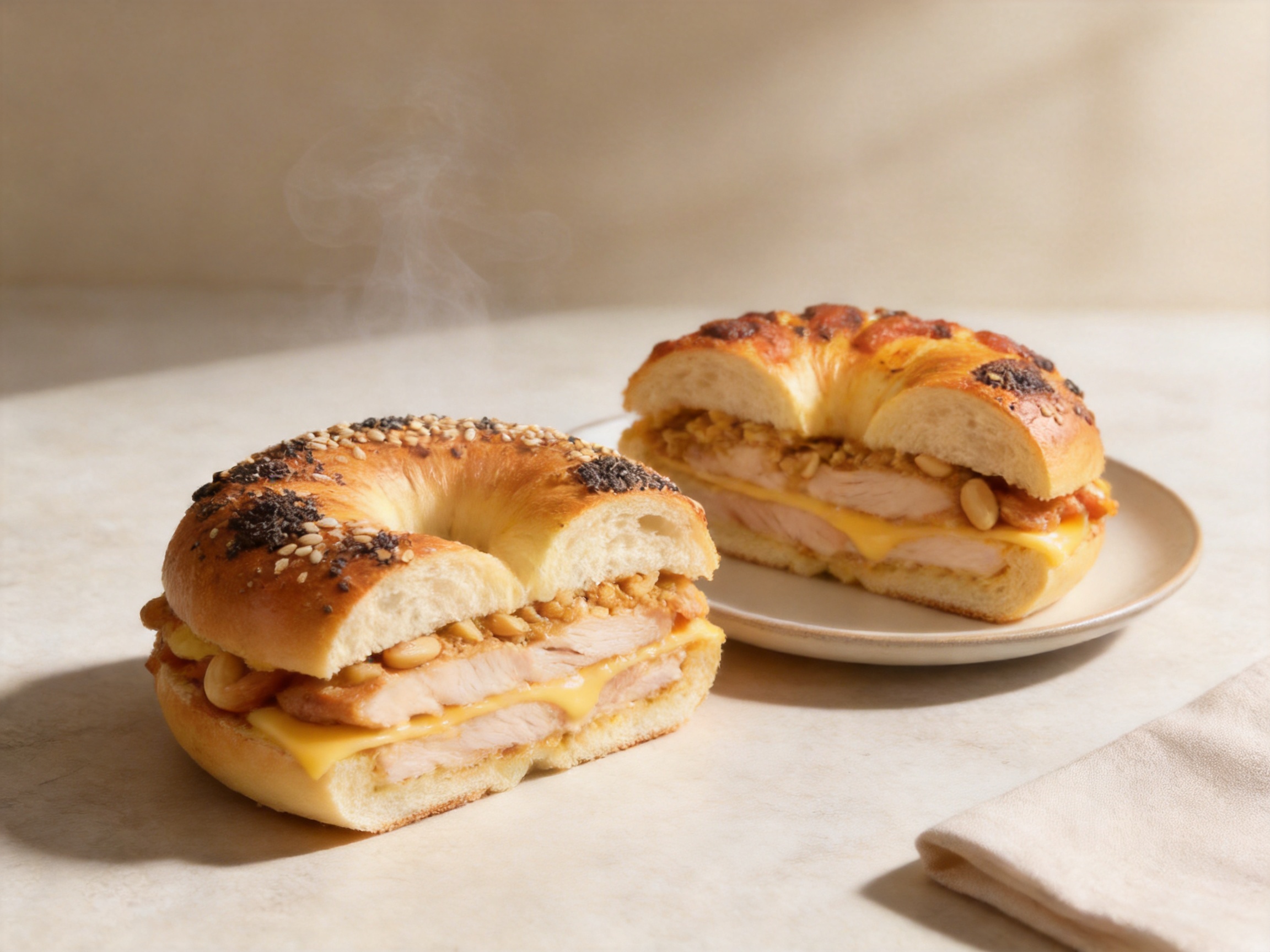
The central filling uses tender chicken breast as its primary savory component. Chicken breast is widely accepted across different consumer groups and can serve as a versatile protein for breakfast, lunch, snack, and café applications. Its relatively clean flavor also makes it a suitable partner for a distinctive seasoning system.
The product description emphasizes tenderness, juiciness, and a delicate texture. These qualities are important because chicken breast can become dry or fibrous if it is not carefully formulated and processed. A soft chicken texture creates a productive contrast with the chewy bagel base. The base resists the bite, while the chicken yields more easily, creating a dynamic mouthfeel.
The filling is characterized by a “fragrant, numbing, spicy” progression. This sequence distinguishes it from products that simply use a general hot-pepper seasoning. Teng pepper is associated with a bright aromatic quality and a gradually developing numbing sensation. In this product, the seasoning is designed to build as the consumer continues chewing.
3.1 Fragrance before heat
Aromatic impact is often the first stage of a successful spicy food experience. Before the heat becomes prominent, the consumer should be able to recognize the fragrance of the seasoning. Teng pepper contributes this initial lift, helping the product feel more complex than a simple hot chicken filling.
The bagel’s wheat aroma supports this progression. The first impression begins with grain and roasted bakery notes, then transitions into savory chicken and pepper fragrance. This sequence prevents the seasoning from becoming one-dimensional. Instead of presenting only heat, the product offers an aromatic introduction followed by a more intense flavor development.
3.2 A gradual numbing sensation
The numbing effect associated with teng pepper gives the product a recognizable identity. It is different from the straightforward burn of chili pepper. While chili heat may rise quickly and dominate the palate, the teng pepper profile can create a more layered sensation that develops with chewing.
This gradual development offers a potential advantage over generic spicy bakery fillings. The consumer can experience changes in intensity and texture during the same serving. The product is not simply “hot”; it is aromatic first, then numbing, then spicy, with savory and nutty elements continuing throughout.
At the same time, the use of cheese and the natural mildness of chicken help balance the seasoning. The product is designed for consumers who enjoy bold flavors but still want the comfort and familiarity of a bakery format. This makes it suitable for customers interested in contemporary Asian-inspired flavors without requiring them to choose a highly specialized meal.
3.3 Chicken and bagel as a complete flavor system
Chicken and bagel are compatible because both can carry seasoning without becoming overly sweet or acidic. The bread provides a gentle grain flavor and the chicken provides savory depth. Teng pepper then supplies the signature point of difference.
This compatibility creates broader commercial flexibility. The product can be marketed as a savory breakfast option, a spicy snack, a convenient lunch, or an innovative café item. It can also appeal to consumers seeking alternatives to conventional ham, sausage, or cheese-filled breads.
4. Five Complementary Flavor and Texture Elements
The product’s toppings and finishing ingredients are not decorative additions. Cheese, peanuts, sesame, and black pepper each have a defined function in the overall sensory structure. Together with the chicken and bagel base, they create a five-direction balance involving fragrance, numbing spice, savory richness, creaminess, and crunch.
| Component | Primary sensory contribution | Role in the overall product |
|---|---|---|
| Chewy bagel base | Firmness, resilience, grain aroma, subtle sweetness | Provides structure and balances the soft filling |
| Tender chicken breast | Soft texture and savory protein character | Forms the central filling and supports the seasoning |
| Teng pepper | Fragrance, numbing sensation, progressive spice | Creates the product’s distinctive flavor identity |
| Cheese | Creaminess, richness, gentle melt, satisfying pull | Rounds out the spice and adds indulgence |
| Peanuts | Crunch and nutty richness | Introduces texture contrast and roasted depth |
| Sesame | Warm roasted aroma | Reinforces fragrance and complements the nuts |
| Black pepper | Crisp aromatic sharpness | Ties the flavor layers together with a final lift |
4.1 Cheese as a balancing ingredient
Cheese has a practical role in a spicy chicken product. Its creamy quality softens the perception of heat and adds richness to the filling. It also increases the sense of indulgence, making the bagel feel more complete as a meal or substantial snack.
The cheese element can also enhance the sensory contrast between the firm bread and tender filling. When heated, cheese may contribute a soft, cohesive texture and a satisfying pull. This makes the product visually and physically more appealing during service, particularly in café or quick-service settings where customers can consume it warm.
4.2 Peanuts and sesame for crunch and aroma
Peanuts bring a roasted, nutty taste and a recognizable crunch. This is important because stuffed breads can otherwise become texturally uniform. The peanut component interrupts the softness of the chicken and cheese, creating small moments of crispness during chewing.
Sesame adds a different kind of nutty character. Its flavor is lighter and more aromatic, contributing warmth without making the filling overly heavy. Together, peanuts and sesame create a layered roasted profile that complements the fragrant quality of teng pepper.
4.3 Black pepper as a finishing note
Black pepper offers a sharper aromatic finish than the softer nuttiness of peanuts and sesame. It helps connect the seasoning profile to familiar savory foods while reinforcing the product’s spicy character. Its crispness keeps the flavor from becoming too creamy or rounded.
In product development terms, black pepper can be viewed as a bridge ingredient. It connects the traditional savory expectations of chicken with the more distinctive numbing-spice profile of teng pepper. This can make the product easier for first-time consumers to understand and enjoy.
5. Why the Product Can Stand Apart from Competing Bakery Items
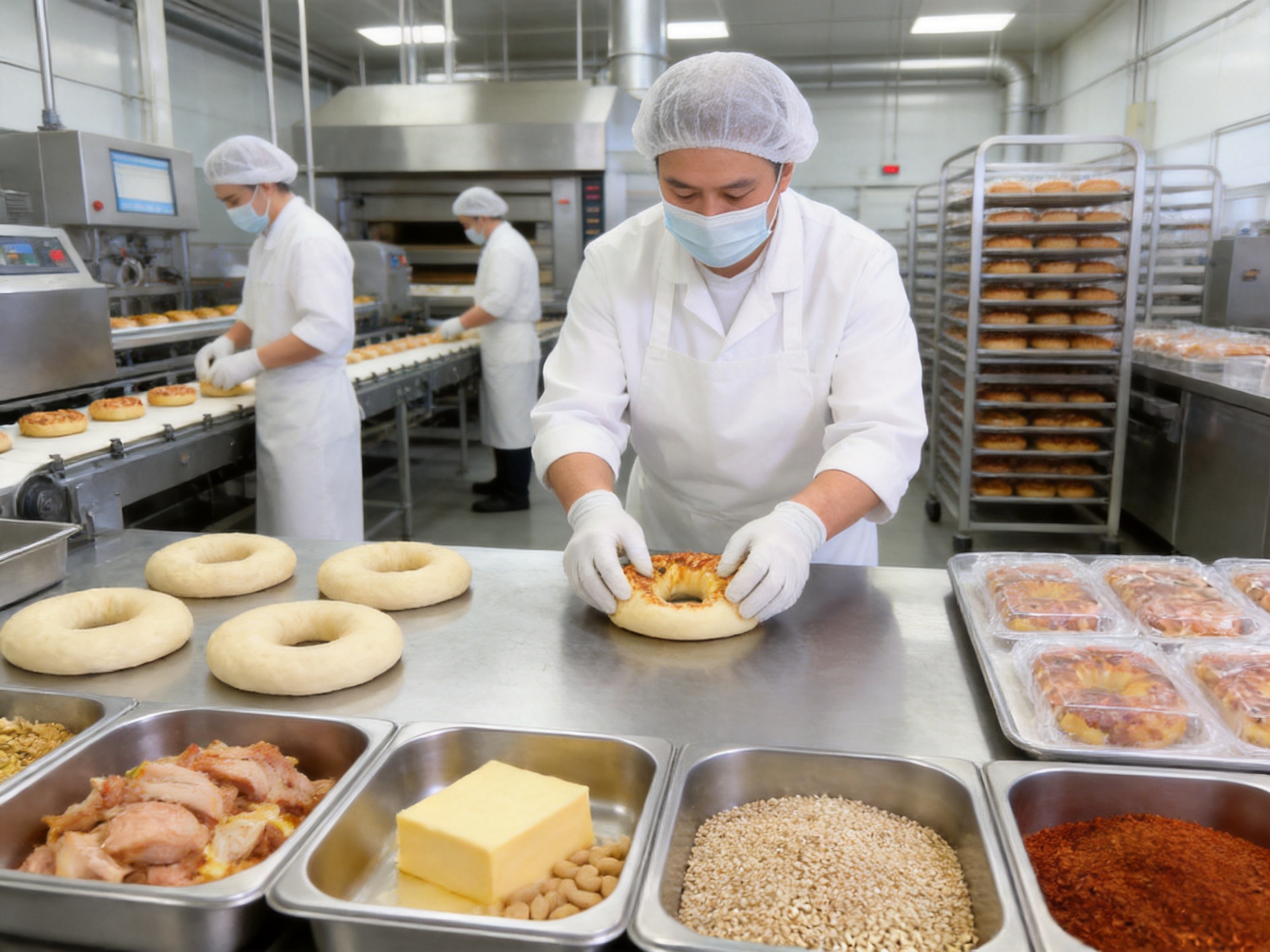
The frozen bakery market includes many plain bagels, filled buns, sandwiches, pastries, and flavored breads. The Chewy Bagel Base Teng Pepper Chicken Bagel can differentiate itself through the combination of several features rather than through one isolated ingredient.
First, it offers a clear bagel identity. The product is not simply a soft bun with a spicy filling. Its chewy texture, firm exterior, and grain aroma make the base central to the eating experience.
Second, it uses a flavor profile that moves beyond common Western bakery combinations. Chicken and cheese are familiar, but the addition of teng pepper, peanuts, sesame, and black pepper introduces a more distinctive aromatic and textural direction. This can help retailers and foodservice operators offer customers something more memorable than standard cheese, ham, or sweet fillings.
Third, the product integrates flavor and format. A consumer does not need to purchase a plain bagel, a protein filling, a sauce, and toppings separately. The desired eating experience is built into one portion-controlled item. This supports convenience for the consumer and simplifies preparation for the operator.
Fourth, the product combines an artisanal visual and textural concept with modern commercial manufacturing. Hand-shaped bagels can communicate craftsmanship, while a structured frozen bakery supply chain can support repeat ordering and menu stability. This combination may be especially attractive to brands that want premium product stories without relying entirely on in-house production.
5.1 Comparison with plain bagels
Plain bagels offer flexibility because customers can add their own toppings. However, they also require additional ingredients, labor, and decision-making. The Chewy Bagel Base Teng Pepper Chicken Bagel arrives with a complete savory concept already integrated into the product.
For retailers, this can create a more immediate proposition on the shelf. For cafés, it can reduce the number of components required for assembly. For consumers, it provides a ready-to-eat flavor combination that does not depend on having cream cheese, meat, sauces, or vegetables available at home.
5.2 Comparison with soft filled buns
Soft filled buns often emphasize tenderness and convenience, but they may not provide the distinctive chew associated with a traditional bagel. This product competes through textural identity. Its firm and resilient base gives customers a reason to choose it over a standard filled bread.
The contrast between chewy dough and tender chicken also creates a more varied bite. Instead of having one soft texture throughout, the product moves between resistance, softness, creaminess, and crunch. This makes the eating experience more engaging.
5.3 Comparison with ordinary spicy bakery products
Many spicy bakery products rely primarily on chili heat. This bagel uses a more structured flavor progression that includes fragrance, numbing sensation, savory chicken, cheese, nuts, sesame, and black pepper. The broader flavor architecture can appeal to consumers who want complexity rather than heat alone.
This distinction may also support premium positioning. A product with several recognizable sensory layers can be described through a richer menu story and can give customers more reasons to discuss and remember it.
6. Manufacturing Strengths Behind the Product
A compelling product concept is only commercially valuable when it can be manufactured consistently. Jiangsu Goobagel Food Technology Co., Ltd. has specialized in bagel research and manufacturing since 2019. Its manufacturing model is based on an integrated supply chain that covers raw materials, research and development, production, and nationwide distribution.
This structure supports more than basic production. It enables the company to coordinate product formulation, ingredient selection, processing requirements, quality consistency, and delivery planning within one broader operating system.
6.1 Integrated raw-material management
Raw-material selection has a direct effect on bakery performance. Wheat influences dough behavior, aroma, texture, and finished structure. Chicken influences tenderness and savory character. Cheese, peanuts, sesame, and seasonings influence flavor balance, appearance, and mouthfeel.
An integrated supply-chain model makes it easier to align these materials with the product specification. Instead of treating ingredients as isolated purchases, the manufacturer can consider how they function together in the final bagel. This is especially important for a product with both a demanding dough texture and a multi-component filling.
The use of carefully selected imported wheat reflects attention to the foundation of the product. The goal is not merely to use a premium-sounding ingredient, but to achieve a predictable dough structure and clean grain character that can support the filling.
6.2 Research and development capability
Goobagel Food has developed more than 100 clean-label bagel varieties for different commercial applications. This breadth indicates experience in flavor development, dough formulation, filling combinations, product positioning, and channel-specific requirements.
For buyers, a broad product-development portfolio can be valuable because it suggests the ability to work across multiple concepts. A customer may require a spicy bagel, a breakfast bagel, a vegetarian option, a café-exclusive item, or a private-label range. Experience across numerous varieties can help shorten the development process and provide a stronger starting point for customization.
The Teng Pepper Chicken Bagel demonstrates how the company combines a familiar bakery format with a distinctive flavor concept. This type of development requires more than adding spice to a dough. It requires consideration of how aroma, heat, protein, dairy, nuts, and bread interact during preparation and consumption.
6.3 Modern frozen bakery production
As a modern frozen bakery producer, the company is positioned to support customers that need products with stable quality and practical storage characteristics. Frozen bakery products can help operators manage inventory, reduce daily preparation requirements, and maintain a consistent menu across locations.
Frozen production also supports broader distribution. A manufacturer can serve retail, foodservice, café chains, tea brands, and bakery operators without requiring every customer to maintain a complete dough-mixing, shaping, filling, and baking operation.
For chain businesses, this can be particularly important. Centralized manufacturing allows a product concept to be reproduced across different locations with less variation caused by local labor, equipment, or ingredient sourcing. The operator can focus on preparation and presentation while the manufacturer manages the core production process.
6.4 Consistency as a commercial strength
Consistency is one of the most important advantages of working with an experienced manufacturer. Customers expect the same product weight, flavor, texture, and appearance each time they purchase it. Businesses also need predictable performance for costing, training, menu planning, and customer satisfaction.
The 128-gram specification, defined ingredient profile, and structured manufacturing process support this consistency. While preparation conditions can affect the final eating experience, a standardized product gives operators a reliable foundation from which to work.
7. Private-Label and OEM Potential
The product is well suited to the growing demand for OEM and private-label bakery solutions. Retailers, cafés, foodservice groups, and emerging food brands often want differentiated products without building their own complete manufacturing infrastructure.
A private-label customer may use the bagel as a ready-made product, or may adapt the concept to fit a specific market. Potential adjustments could include packaging format, serving instructions, spice positioning, channel-specific product names, or a broader series built around regional flavors. Any modification would need to be confirmed through formal product-development and production discussions.
The company’s experience with more than 100 bagel varieties creates a useful platform for this type of cooperation. A buyer can begin with an existing product direction and explore appropriate customization rather than starting from an entirely undeveloped concept.
7.1 Applications for retail
In retail, the bagel can be positioned as a frozen savory snack, convenient breakfast, quick lunch, or spicy protein-rich bakery item. Its strong flavor identity may help it stand out in freezer displays or specialty bakery sections.
Retail packaging can emphasize the chewy bagel texture, tender chicken, teng pepper aroma, and multi-texture topping system. Clear preparation guidance can help consumers achieve the intended contrast between warm bread, soft filling, melted cheese, and fragrant seasoning.
7.2 Applications for cafés and tea brands
Cafés and tea brands increasingly need food items that complement beverages and increase average transaction value. A savory, spicy bagel can pair with milk tea, fruit tea, coffee, or other drinks depending on the menu strategy.
The product’s defined portion and integrated filling can simplify back-of-house operations. Staff may only need to heat and serve the item according to established procedures. This can be more efficient than preparing a sandwich from multiple ingredients during peak service periods.
7.3 Applications for foodservice and bakery operators
Foodservice operators can use the product in breakfast programs, office catering, convenience-oriented menus, and grab-and-go displays. Bakery operators may also incorporate it into a broader savory range that includes both familiar and innovative flavors.
Its distinctive identity allows a menu to include a product with regional flavor inspiration without requiring extensive recipe development at the store level. This can help businesses refresh their offerings and appeal to consumers who are interested in bold, contemporary flavor combinations.
8. Quality, Process Discipline, and Operational Reliability
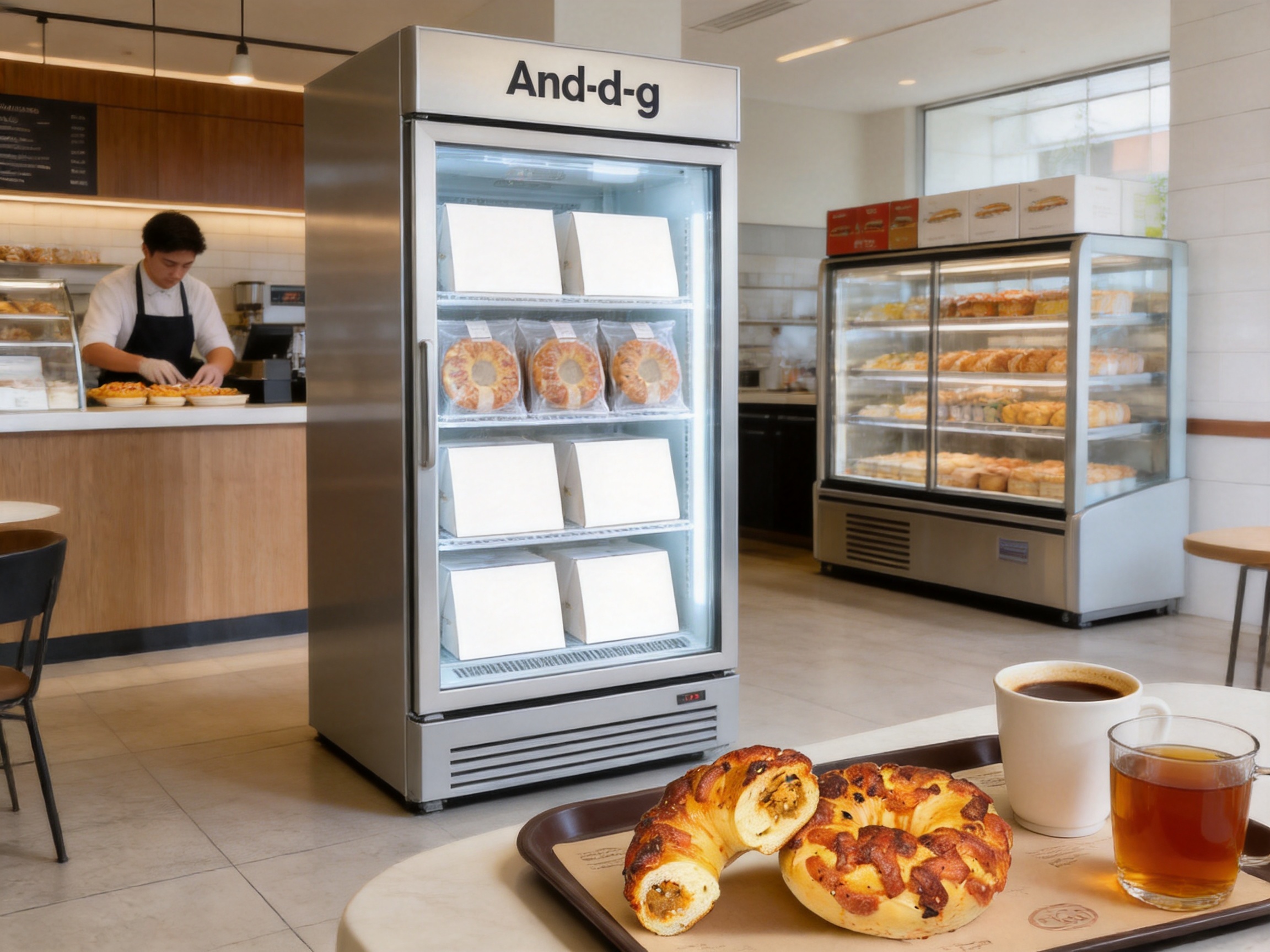
Manufacturing strength is not only about having equipment or a large product portfolio. It also depends on process discipline. A reliable commercial bakery must coordinate dough preparation, shaping, filling, topping application, freezing or storage procedures, packing, and distribution.
For a product like the Teng Pepper Chicken Bagel, each stage contributes to the finished result. Dough handling affects chewiness and shape. Filling distribution affects flavor balance. Topping application affects crunch and aroma. Temperature management affects texture and service performance. Packaging and distribution affect product condition when it reaches the customer.
8.1 Dough handling
The bagel base is designed around a firm and resilient texture. Achieving this requires attention to dough formulation and handling. The use of imported wheat provides a selected raw-material foundation, while individual shaping supports the product’s intended form and artisanal character.
A controlled dough process also helps ensure that the bread remains strong enough to carry the filling. The product should feel substantial, but not so dense that the filling becomes secondary. This balance is central to its competitive appeal.
8.2 Filling integration
Chicken, cheese, and seasonings must be distributed in a way that gives the consumer a coherent bite. If the filling is poorly balanced, one bite may be mostly bread while another is excessively spicy or overly rich. A professional manufacturing process seeks to reduce this variation.
The presence of multiple toppings makes integration even more important. Peanuts and sesame should contribute texture and fragrance without becoming disconnected from the chicken and cheese. Black pepper and teng pepper should reinforce the savory profile rather than overpowering it.
8.3 Distribution support
The company’s integrated supply chain includes nationwide distribution. This provides a foundation for serving customers beyond a single local market. Reliable distribution is important for frozen bakery buyers because product availability, delivery planning, and inventory rotation directly affect operational costs.
For expanding brands, a manufacturer with established distribution capabilities may reduce some of the complexity involved in scaling a product from one location to multiple regions. Commercial conditions, logistics, and storage requirements should still be evaluated for each buyer and market.
9. Product Positioning and Consumer Appeal
The Chewy Bagel Base Teng Pepper Chicken Bagel can be positioned at the intersection of comfort food and flavor discovery. The bagel format is familiar and approachable, while teng pepper creates a more adventurous point of difference.
This balance can appeal to several consumer motivations. Some customers may be looking for a convenient and filling breakfast. Others may want a spicy snack with more substance. Some may be attracted by the combination of chicken and cheese, while others may choose the product specifically because of the numbing and aromatic pepper profile.
The multi-texture experience can also support premium positioning. Chewiness, tenderness, creaminess, crunch, and roasted fragrance give the product a more complete sensory story than a basic filled roll. For marketing teams, this creates several communication points without requiring exaggerated claims.
9.1 A contemporary flavor concept
Consumers are increasingly familiar with regional pepper profiles and cross-cultural flavor combinations. A teng pepper chicken bagel reflects this broader movement toward bakery products inspired by savory cuisines from different regions.
The product does not abandon the familiar bagel. Instead, it uses the bagel as a platform for a flavor direction that is less conventional in many bakery markets. This approach can help brands introduce new tastes in an accessible format.
Menu innovation does not always require a completely new category. Sometimes, the strongest innovation comes from placing a new flavor in a familiar format. The Teng Pepper Chicken Bagel follows this approach by combining a recognizable bagel with a distinctive savory filling.
For commercial customers, this can reduce consumer education requirements. Customers already understand how to eat a bagel. The primary message is simply that this bagel offers a different flavor experience: chewy, savory, aromatic, numbing, spicy, creamy, and crunchy.
10. Suggested Serving and Merchandising Approaches
The product can be served warm to emphasize the contrast between the chewy base and the tender filling. Heating may also help release the aroma of cheese, sesame, black pepper, and teng pepper. Operators should follow validated preparation instructions supplied for the final product format.
In a café, the bagel can be displayed as a premium savory item next to coffee and tea beverages. In a retail setting, it can be grouped with frozen breakfast products, spicy snacks, convenient meal items, or innovative bakery products. In foodservice, it can be included in boxed breakfasts, individual meal programs, or grab-and-go displays.
Merchandising language can focus on the product’s key sensory benefits. Phrases such as “firm and chewy bagel base,” “tender chicken breast,” “layered teng pepper heat,” “cheese and nutty crunch,” and “128-gram savory portion” communicate useful information without relying on vague superlatives.
Because the product contains peanuts, sesame, dairy, wheat, and chicken-based ingredients, operators should ensure that ingredient declarations, allergen statements, and local labeling requirements are handled accurately for the intended market. Final claims should always be based on the approved product specification and applicable regulations.
11. The Manufacturer’s Broader Capability
Jiangsu Goobagel Food Technology Co., Ltd. is not positioned only as a single-product supplier. Its broader capability includes research, manufacturing, product variety, integrated supply-chain management, and commercial cooperation.
Since 2019, the company has focused on bagel research and production. Its stated portfolio of more than 100 clean-label bagel varieties demonstrates a commitment to category specialization. This specialization can be valuable because bagel production has its own requirements for dough structure, shaping, filling, texture, and preparation performance.
The company serves a wide range of customers, including retail brands, foodservice businesses, café chains, tea brands, and bakery operators. Such channel diversity encourages the development of products that can perform in different commercial environments. It also gives the manufacturer experience in addressing different needs for portion size, preparation, packaging, supply, and product positioning.
The company’s values—persistence, craftsmanship, respect, and science—are relevant to the product’s design. Persistence supports long-term category development. Craftsmanship is reflected in hand-shaped bagels. Respect can be connected to attention to customers and partners. Science supports systematic product development and manufacturing control.
Its mission is to provide customers with high-quality and healthy products while offering partners opportunities to realize their dreams. In practical terms, this means combining product development with cooperation models that allow commercial customers to build or expand their own food businesses.
12. Why This Product Is Relevant to Future Bakery Development
The bakery market is moving toward products that combine convenience with stronger identity. Consumers still value familiar formats, but they increasingly look for distinctive flavors, better texture, and products that feel worth sharing or remembering.
The Chewy Bagel Base Teng Pepper Chicken Bagel responds to this direction in several ways. It gives the bagel a complete savory filling, introduces a recognizable regional pepper profile, and adds multiple textural layers. It also fits modern commercial systems that require consistent portions, manageable preparation, and scalable supply.
Its strongest competitive advantage is the interaction between elements. The product is not defined only by teng pepper, only by chicken, or only by its chewy dough. Its identity comes from the way these elements work together. The firm wheat-based base makes the soft chicken more noticeable. The chicken makes the pepper seasoning more approachable. The cheese moderates the heat. The peanuts and sesame add crunch and roasted aroma. Black pepper completes the savory profile.
This kind of integrated formulation can help a product remain interesting after repeated consumption. Consumers may first try it because of the spicy flavor, then repurchase it because they enjoy the texture, convenience, or combination of ingredients.
13. Frequently Asked Questions
Q1: What is the Chewy Bagel Base Teng Pepper Chicken Bagel?
It is a 128-gram savory stuffed bagel made with a firm and resilient bagel base, tender chicken breast, teng pepper seasoning, cheese, peanuts, sesame, and black pepper. The product is designed to provide layered fragrance, numbing spice, savory richness, creaminess, and crunch.
Q2: What makes the bagel base different from ordinary filled bread?
The base is designed to be firm on the outside, chewy, resilient, and pleasantly dense inside. It uses carefully selected imported wheat and is hand-shaped according to a traditional artisan approach. This gives the product a stronger bagel identity and a more substantial bite than many soft filled breads.
Q3: Is the product extremely spicy?
The product has a distinctive numbing and spicy profile, but its flavor is designed to develop progressively. Teng pepper contributes fragrance and a building numbing sensation, while cheese, chicken, and the bagel base provide balance. Individual perceptions of spice will vary, so final menu descriptions should reflect the approved product specification.
Q4: What does teng pepper contribute to the flavor?
Teng pepper contributes an aromatic quality, a distinctive numbing sensation, and a progressive spicy character. It creates a more layered flavor experience than a simple chili-based filling.
Q5: Why are cheese, peanuts, and sesame included?
Cheese adds creaminess and helps round out the spice. Peanuts contribute crunch and nutty richness. Sesame provides warm roasted fragrance. Together, they create textural and aromatic contrast with the chicken and bagel base.
Q6: What role does black pepper play?
Black pepper adds crisp aromatic sharpness and helps connect the savory chicken flavor with the teng pepper profile. It acts as a finishing note that brings the different seasoning layers together.
Q7: Who can purchase or use this product?
The product can be considered by retailers, foodservice operators, café chains, tea brands, bakery businesses, and private-label or OEM customers. Suitability depends on the customer’s market, storage facilities, preparation equipment, labeling requirements, and commercial objectives.
Q8: Can the product be used for private-label development?
Goobagel Food provides OEM and private-label bagel solutions. Buyers can discuss product specifications, packaging, branding, and potential customization directly with the manufacturer. Any changes to formulation, weight, packaging, or preparation should be confirmed through formal development and approval procedures.
Q9: What manufacturing strengths support the product?
The manufacturer has specialized in bagel research and production since 2019. Its capabilities include raw-material coordination, research and development, modern frozen bakery production, nationwide distribution, and a portfolio of more than 100 clean-label bagel varieties.
Q10: Can the product be sold in cafés and tea shops?
Yes, its portion-controlled format and strong savory flavor make it suitable for café and tea-shop menus. It can be offered as a breakfast item, snack, light meal, or beverage companion. Operators should validate preparation time, heating equipment, food safety procedures, and menu pricing for their own locations.
Q11: Does the product contain common allergens?
The listed ingredients include wheat, cheese or dairy components, peanuts, and sesame. Buyers and operators should use the final product specification for accurate allergen declarations and should follow the labeling and food-safety rules applicable in their market.
Q12: Why is an integrated supply chain important for commercial buyers?
An integrated supply chain connects raw materials, research and development, production, and distribution. This can support more consistent product quality, more efficient product development, better coordination, and more reliable supply for commercial customers.
Q13: How should the product be marketed to consumers?
Marketing can focus on the contrast between the chewy bagel base and tender chicken filling, along with the layered teng pepper aroma, cheese creaminess, peanut crunch, sesame fragrance, and black pepper finish. Clear, accurate sensory language can help consumers understand what makes the product different.
Q14: What is the main competitive advantage of this bagel?
Its main advantage is the combination of a distinctive chewy bagel base, tender chicken breast, progressive teng pepper heat, and multiple complementary textures. It offers the convenience of an integrated filled product while maintaining a stronger flavor and texture identity than many ordinary bakery items.
Conclusion
The Chewy Bagel Base Teng Pepper Chicken Bagel represents a modern approach to savory bakery development. It uses a familiar bagel format but gives it a more distinctive identity through tender chicken breast, aromatic teng pepper, cheese, peanuts, sesame, and black pepper.
Its strongest qualities are found in the balance between contrast and consistency. The bagel is firm yet pleasant to chew. The chicken is tender and savory. The pepper profile is aromatic, numbing, and spicy. Cheese brings creaminess, while peanuts and sesame provide crunch and roasted depth. Black pepper adds a final aromatic sharpness.
From a commercial perspective, the product benefits from a defined 128-gram portion, an integrated filling, a strong flavor story, and suitability for retail, cafés, tea brands, foodservice, bakery operators, OEM projects, and private-label programs.
Behind the product, Jiangsu Goobagel Food Technology Co., Ltd. contributes specialized bagel experience, a modern frozen bakery production model, an integrated supply chain, extensive product-development capability, and a portfolio of more than 100 clean-label bagel varieties. These strengths help connect artisanal product character with commercial reliability.
For buyers seeking a bakery product that is recognizable yet unconventional, convenient yet substantial, and familiar yet full of regional flavor character, this teng pepper chicken bagel offers a compelling solution. It demonstrates how careful dough development, layered seasoning, thoughtful texture design, and organized manufacturing can create a product with strong potential in the evolving frozen bakery market.
References
1. Jiangsu Goobagel Food Technology Co., Ltd. Product information for Chewy Bagel Base Teng Pepper Chicken Bagel, including stated ingredients, product weight, sensory description, and application details.
2. Jiangsu Goobagel Food Technology Co., Ltd. Corporate information concerning bagel research and manufacturing, integrated supply-chain operations, product development, and commercial cooperation.
3. General principles of bakery product development, including dough structure, texture contrast, portion control, filling integration, and commercial foodservice application.
4. General sensory evaluation principles relating to aroma, heat progression, mouthfeel, flavor balance, and consumer perception in savory prepared foods.
5. General frozen bakery manufacturing principles concerning standardized production, inventory management, distribution coordination, and multi-channel foodservice supply.
