
 中文简体
 English





postmaster@goobagelfood.com
Content
- 1 A Flavor Profile Built on Restraint and Depth
- 2 Product Advantages in a Competitive Bakery Market
- 3 Texture, Structure, and the Importance of the Bagel Bite
- 4 Flexible Pairing and Menu Applications
- 5 Frozen Bakery Convenience and Supply Reliability
- 6 Manufacturing Strengths Supporting Product Quality
- 7 Clean-Label Positioning and Consumer Expectations
- 8 Why Manufacturing Scale Matters to Commercial Buyers
- 9 Quality Communication for Buyers and End Consumers
- 10 Recommended Serving Concepts
- 11 Q&A: Naturally Sweet Cinnamon Raisin Bagels
- 11.1 What makes this bagel different from a standard plain bagel?
- 11.2 Is the bagel very sweet?
- 11.3 Can it be eaten without toppings?
- 11.4 Can the product be warmed or toasted?
- 11.5 Does the product work with savory ingredients?
- 11.6 What is the product weight?
- 11.7 Who can use this product commercially?
- 11.8 What manufacturing strengths support the product?
- 11.9 Why is an integrated supply chain important?
- 11.10 Is this product suitable for OEM or private-label programs?
- 11.11 What should operators consider when serving the bagel?
- 12 Conclusion
- 13 References
- 14 Product: Naturally Sweet Cinnamon Raisin Bagel
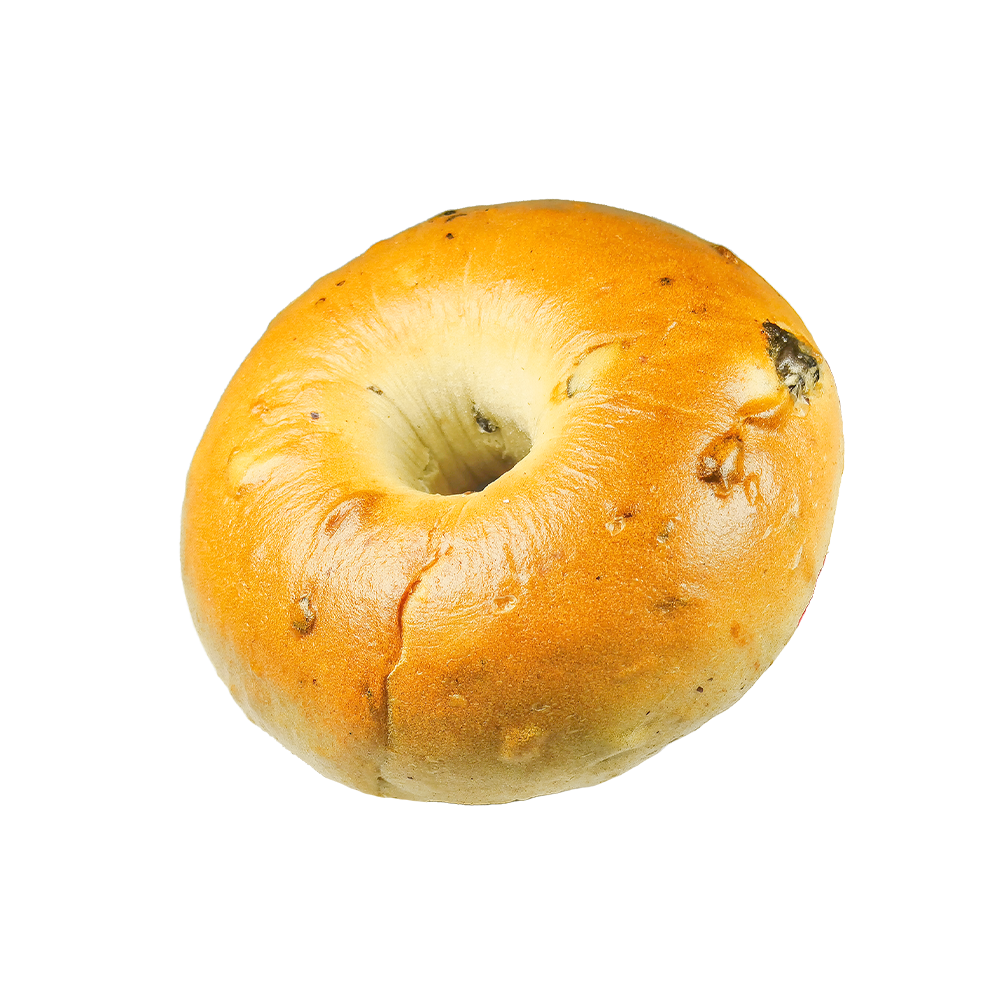
The naturally sweet cinnamon raisin bagel combines familiar bakery comfort with the practical advantages of a professionally developed frozen bakery product. It is designed for consumers who want a satisfying breakfast, a convenient snack, or a versatile sandwich base without relying on an excessively sugary flavor profile. For retailers, cafés, restaurants, foodservice distributors, and private-label businesses, it offers another important benefit: a distinctive product concept that is easy to merchandise, simple to prepare, and adaptable to multiple serving occasions.
At the center of this product is a carefully balanced sensory experience. The bagel begins with the aroma of malted grain and develops into a warm profile supported by naturally sweet raisins. Oven-baked Xinjiang raisins provide a recognizable fruit character, while the baked dough contributes depth, chew, and a lightly browned finish. The result is not a dessert disguised as breakfast. Instead, it is a bakery product built around restrained sweetness, a firm but pleasant bite, and a flavor that becomes more rewarding as it is chewed.
This combination gives the product an advantage over many conventional sweet breakfast items. Highly sweetened pastries can deliver an immediate flavor impact but may become tiring, overly rich, or unsuitable for savory applications. A plain bagel can be dependable but may lack the visual and aromatic appeal needed to stand out on a crowded shelf. A naturally sweet cinnamon raisin bagel occupies the space between these two categories. It has enough fruit and warmth to feel special, yet enough grain character and structural integrity to remain useful in everyday eating.
The product is supplied as a 128-gram bagel, a substantial format that can serve as a complete breakfast foundation or a filling snack. It may be eaten directly from the package, gently warmed, sliced and toasted, or incorporated into sweet and savory menu items. This flexibility is particularly valuable for commercial customers that need one product to support different sales channels, dayparts, and consumer preferences.
Naturally Sweet Cinnamon Raisin Bagel
A Flavor Profile Built on Restraint and Depth
The most important characteristic of this bagel is the way its sweetness is layered. Instead of making sugar the first and only impression, the product begins with a mild malted-grain aroma. This opening note creates a sense of warmth and bakery authenticity. It suggests a dough that has been developed for flavor rather than used merely as a carrier for fruit or sweetener.
As the bagel is eaten, the raisin component becomes more prominent. The Xinjiang raisins are described as generously portioned and naturally aromatic, with a bold grape fragrance that complements the grain. During baking, the fruit develops deeper notes that may be perceived as toasted, caramel-like, and gently concentrated. These impressions help create complexity without requiring an aggressive sweetness level.
The use of raisins also gives the product a recognizable visual identity. Dark fruit pieces distributed through the dough communicate flavor before the bagel is even tasted. In retail settings, visible inclusions can make a product easier to understand at a glance. In café and foodservice applications, they contribute to a more handcrafted appearance, especially when the bagel is cut open and served toasted.
Cinnamon adds an especially familiar association to the product category. Consumers commonly connect cinnamon and raisin with warm breakfasts, home baking, autumn flavors, and comforting bakery rituals. However, the product’s overall description emphasizes balance rather than an overpowering spice sensation. This is strategically useful because it allows the bagel to appeal to consumers who enjoy sweet bakery notes but do not want a strongly perfumed or candy-like product.
The restrained sweetness also improves pairing potential. The bagel can be served with butter, cream cheese, nut butter, yogurt-based spreads, or fruit preserves. At the same time, it can support ham, cheese, egg, turkey, or other savory fillings. A very sweet product may conflict with these ingredients, while a plain product may not provide enough flavor contrast. The naturally sweet cinnamon raisin profile creates a bridge between sweet and savory menu development.
How the Flavor Develops During Eating
The sensory progression is important because bagels are products that depend on chewing. Their appeal is not limited to the first bite. A successful bagel should have an exterior with a light baked character and an interior that remains dense and satisfying rather than dry or crumbly. This structure allows the grain flavor to stay present as the consumer eats.
Initially, the lightly browned surface contributes a subtle roasted impression. The interior then supplies a more direct malt and grain character. As the bagel is chewed, the dough’s natural sweetness becomes clearer and the raisins release fruit notes. The combination creates a gradual finish instead of a single sharp burst of sweetness.
This gradual development can be an advantage over softer sweet rolls, glazed pastries, or heavily flavored breakfast breads. Those products may rely on icing, fillings, or surface coatings to deliver their main appeal. The cinnamon raisin bagel integrates its flavor into the dough and fruit inclusions. As a result, it can be served without additional topping while still remaining interesting.
For foodservice operators, this built-in flavor also helps simplify preparation. Staff can warm, toast, slice, and fill the bagel without needing a complex finishing procedure. A consistent product with a recognizable flavor reduces dependence on additional sauces or toppings, although those additions remain available for menu creativity.
Product Advantages in a Competitive Bakery Market
The frozen bakery market includes plain bagels, flavored bagels, sweet rolls, muffins, croissants, breakfast sandwiches, and many other convenient products. Each category competes for limited consumer attention. A cinnamon raisin bagel must therefore offer more than a pleasant taste. It must also provide clear practical and commercial value.
Balanced Sweetness Instead of Excessive Sugar Impact
One advantage of this product is its restrained approach to sweetness. Many sweet bakery products create their appeal through icing, fillings, coatings, or high levels of added sugar. These techniques can deliver strong immediate impact, but they may also limit repeat consumption or make the product feel less suitable for everyday breakfast use.
The cinnamon raisin bagel uses malted grain character and baked fruit aroma to create a rounded perception of sweetness. This allows the product to taste naturally comforting without becoming overwhelmingly sugary. Consumers can enjoy it on its own, pair it with a mild spread, or use it in a sandwich without the entire meal being dominated by sugar.
For retailers, this balance broadens the possible positioning of the product. It may be placed in a breakfast section, a frozen bakery section, a café ingredient program, or a premium everyday bread range. It can appeal to shoppers looking for indulgence, convenience, or a more interesting alternative to plain bread products.
A More Distinctive Alternative to Plain Bagels
Plain bagels remain highly versatile, but their neutral appearance and flavor can make differentiation difficult. A cinnamon raisin version offers immediate sensory recognition. Consumers understand what the product is, what it is likely to taste like, and how it can be served. At the same time, the product retains the essential bagel experience: a dense interior, a satisfying chew, and a substantial shape.
This makes it suitable for businesses that want to expand a bagel range without moving too far away from established consumer expectations. The product can sit alongside plain, savory, whole-grain, cheese, or stuffed varieties and provide a sweet and fruity option. A broader portfolio allows operators to serve households and customers with different flavor preferences using a consistent bagel format.
More Versatile Than Many Sweet Breakfast Pastries
Sweet pastries are often associated with a single usage occasion. They may be consumed as an indulgent snack, a dessert-style breakfast, or an accompaniment to coffee. The cinnamon raisin bagel can serve these roles while also functioning as a meal base. Its structure supports slicing, toasting, filling, and transport.
The bagel can be served with cream cheese for a familiar breakfast combination. It can be paired with butter or nut butter for a quick energy-dense snack. It can also be used in a breakfast sandwich containing egg and cheese, or in a sweet-and-savory sandwich with ham and cheese. This range of applications gives the product a broader commercial life than a bakery item that can only be served in one way.
Strong Portability and Convenience
The 128-gram format provides a meaningful portion that is easy to carry and simple to prepare. Consumers can take it to work, school, or travel destinations. Foodservice businesses can prepare it quickly during busy morning periods. Retail customers can store the product and heat it according to their own schedule.
Convenience does not have to mean sacrificing bakery character. The value of this product is that it combines an easy preparation format with sensory qualities associated with freshly baked goods. When warmed, the aroma of grain, raisin, and cinnamon becomes more noticeable, creating a more satisfying experience than eating a cold, highly processed snack.
Reliable Application Across Business Models
For cafés, the product can be used as a ready-to-serve breakfast item, a toasted accompaniment to coffee, or the base for a signature sandwich. For restaurants, it may support breakfast, brunch, and all-day menus. For retailers, it can be sold as a frozen bakery item for home preparation. For distributors, it provides an accessible product category that can serve independent operators as well as larger chains.
The product is also suitable for private-label and OEM programs. A commercial buyer may use the bagel as part of a branded frozen bakery range, a café chain menu, a hotel breakfast program, or a meal solution portfolio. Because its flavor profile is familiar and broadly appealing, it can be adapted to different market presentations without requiring consumers to learn an unfamiliar product concept.
Texture, Structure, and the Importance of the Bagel Bite
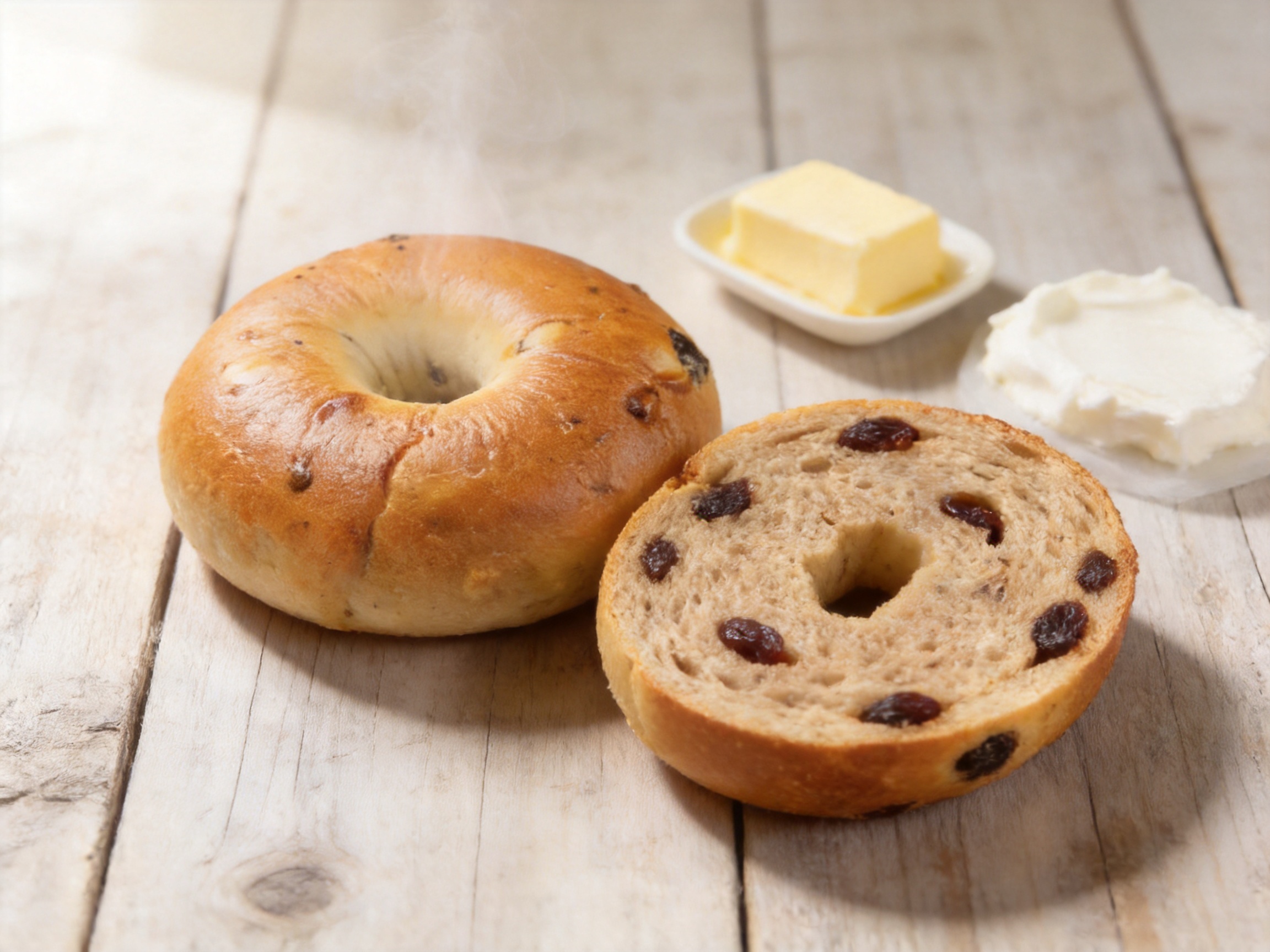
Flavor attracts the first purchase, but texture strongly influences repeat purchase. Bagels are expected to have a characteristic chew. If they are too soft, they may resemble ordinary bread rolls. If they are too dense or dry, they may become difficult to enjoy. The product description emphasizes a lightly browned outside and a dense, satisfying interior that avoids dryness.
This balance is especially important in a cinnamon raisin formulation. Raisins naturally bring moisture, sweetness, and chewiness to the dough. Their distribution must complement the bagel structure rather than make the interior uneven. A well-developed product should provide fruit throughout the eating experience while maintaining enough dough integrity for slicing and handling.
The exterior contributes another layer of quality. Light browning creates a visual signal of baking and adds a mild toasted note. It can also help the bagel hold up during warming or toasting. When cut in half, the contrast between the browned surface, pale or golden crumb, and darker raisin pieces makes the product more visually appealing for menu photography, display cases, and social media content.
Performance When Served Directly
The product is designed to be enjoyed straight from the package for a convenient morning option. This is useful for consumers who need speed and for operators managing grab-and-go programs. The bagel’s flavor remains identifiable without requiring butter, cream cheese, or another topping.
Direct consumption also demonstrates the value of the product’s internal flavor development. The malted dough and raisins must provide enough character to make the bagel satisfying in its simplest form. Toppings can enhance the experience, but they do not need to compensate for a bland base.
Performance When Warmed
Gentle warming can increase the perception of aroma and softness while preserving the product’s satisfying bite. Heat helps release volatile aromatic compounds from the dough and raisins, making the cinnamon and baked fruit notes more noticeable. For cafés and foodservice operators, warming also creates a stronger sense of freshness at the point of service.
Warming should be managed according to the equipment and serving format used by each operator. The objective is to enhance aroma and eating quality without excessively drying the surface. Because the product is intended for commercial applications, consistent handling instructions and operator training can help preserve the intended texture across locations.
Performance When Toasted
Toasting can create additional contrast between a crisp or lightly firm exterior and a warmer, chewy interior. It can also intensify the perception of raisins and grain. A toasted cinnamon raisin bagel pairs naturally with butter and cream cheese, but it can also support nut-based spreads or mild cheeses.
For menu development, toasted service provides a simple way to increase perceived value. A basic bagel can become a plated breakfast, a café special, or a premium snack with the addition of a spread, fruit side, beverage pairing, or protein filling. Operators do not necessarily need a complex kitchen system to create these variations.
Flexible Pairing and Menu Applications
The product’s versatility is one of its strongest commercial attributes. It can be positioned as a sweet breakfast, a snack, a bakery accompaniment, or a hybrid sweet-and-savory menu item. This helps businesses use one inventory item across several parts of the day.
Classic Breakfast Pairings
Butter is one of the simplest pairings. It melts into the warm surface and reinforces the bagel’s bakery character. Cream cheese provides a cool, creamy contrast to the warm dough and fruit. Plain cream cheese allows the raisin and cinnamon notes to remain central, while flavored cream cheese can create seasonal or premium variations.
Nut butter offers another practical pairing. Peanut, almond, cashew, and other nut-based spreads can add roasted notes and a more substantial mouthfeel. The combination of fruit, grain, and nuts creates a familiar breakfast profile that can be positioned as filling and convenient.
Fruit preserves may be used selectively. Because the bagel already contains raisins, operators may choose a preserve that adds contrast rather than simply repeating the same fruit note. Apple, berry, or citrus-based spreads can introduce a sharper or brighter dimension. Yogurt, honey, or soft cheese can also create a lighter breakfast presentation.
Sweet-and-Savory Sandwiches
The product description specifically identifies ham, cheese, and egg as suitable savory ingredients. These combinations work because the bagel’s sweetness is moderate rather than dominant. Ham brings salt and cured-meat flavor, cheese adds richness, and egg provides a soft, familiar breakfast component.
A ham and mild cheese sandwich can be served warm for a balanced contrast between fruit sweetness and savory richness. An egg and cheese version can support a breakfast menu, especially when the bagel is toasted before assembly. Turkey, chicken, or plant-based protein alternatives may also be considered, depending on the target market and menu concept.
Operators should consider the intensity of fillings when developing recipes. Strongly spiced or highly sweet sauces may obscure the bagel’s flavor. Mild, creamy, salty, or lightly smoky ingredients are more likely to preserve the product’s distinctive character. The goal is to build contrast while allowing the cinnamon raisin profile to remain recognizable.
Café and Beverage Pairings
The bagel is naturally compatible with coffee, tea, milk-based beverages, and fruit-forward drinks. Its malted grain and raisin notes can complement roasted coffee, while its restrained sweetness can balance beverages with bitterness. In tea service, the product may pair well with black tea, chai-style drinks, or lightly spiced blends.
For café operators, a warm bagel with a spread can become an accessible add-on to a beverage purchase. A breakfast combo can include the bagel, a hot drink, and a small fruit or yogurt component. This type of bundle is simple to communicate and can increase average transaction value without requiring a complex preparation process.
Hotel, Catering, and Institutional Applications
Hotels and catering businesses often need breakfast products that are easy to portion, recognizable to a broad audience, and suitable for batch preparation. A cinnamon raisin bagel can be placed in a breakfast buffet, served in a continental breakfast set, or used in individually packed meal solutions.
Institutional foodservice operations may also benefit from a product that provides a different flavor choice from plain bread or standard pastries. The bagel format is familiar, portable, and filling. It can be served with spreads or packaged for later consumption depending on the requirements of the program.
Frozen Bakery Convenience and Supply Reliability
Frozen bakery products are valuable because they help separate production from consumption. A business can maintain inventory, plan service, and reduce the pressure to bake every item from scratch at every location. For multi-site operators, frozen bagels can support greater menu consistency across stores, cafés, kiosks, hotels, or distribution points.
The product is positioned as part of a professional frozen bakery system rather than as an occasional small-batch experiment. This distinction matters for commercial buyers. A successful product must be available with dependable specifications, consistent weight, repeatable quality, and a supply structure that can support ongoing demand.
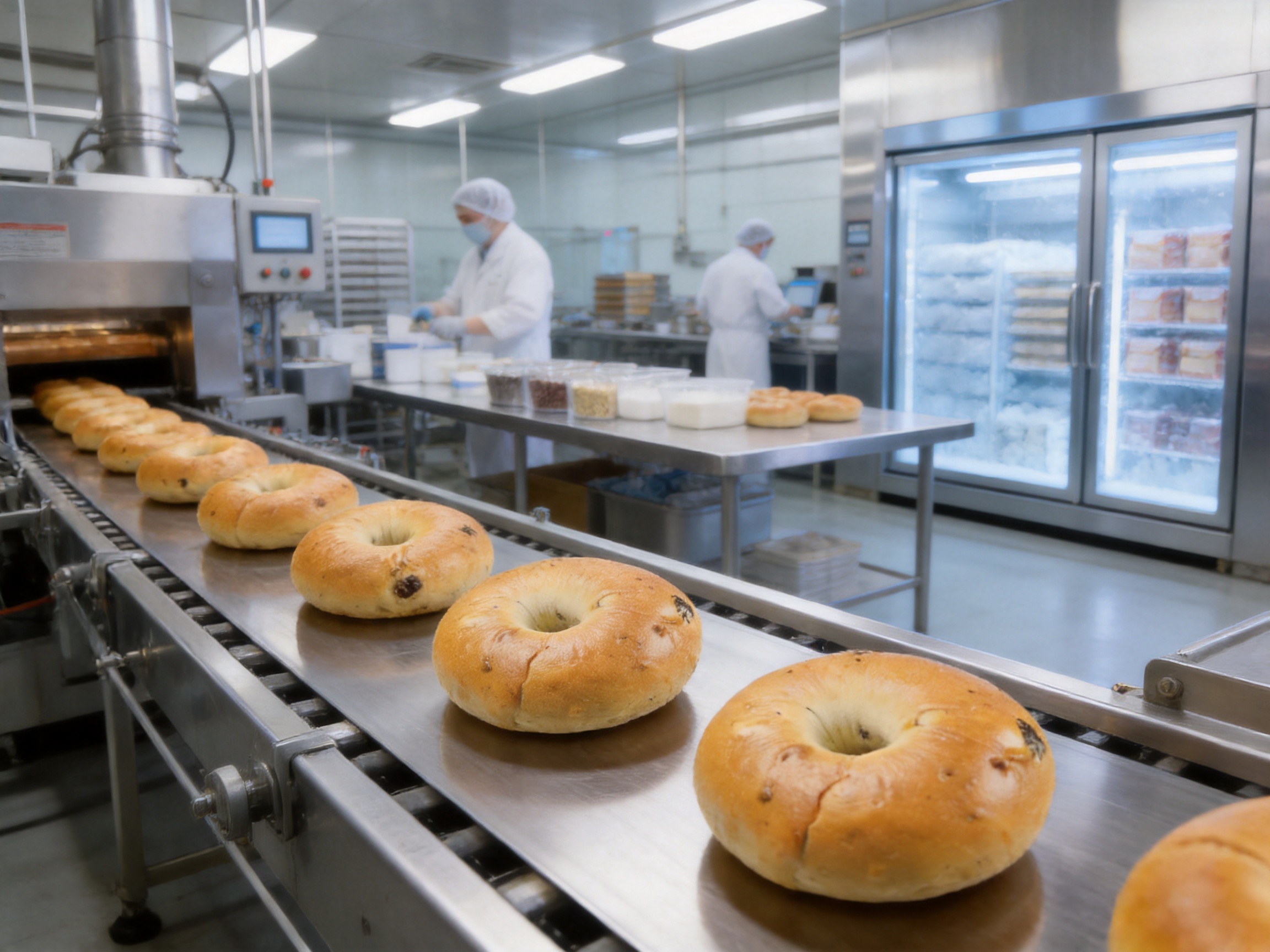
Goobagel Food has specialized in bagel research and manufacturing since 2019. According to the supplied company information, its operations cover raw materials, research and development, production, and nationwide distribution. This integrated supply chain provides a foundation for coordinating product development with manufacturing and delivery requirements.
For buyers, integrated management can reduce the communication gaps that sometimes occur when ingredients, product design, production, and distribution are handled by unrelated parties. A manufacturer with direct involvement across these stages can evaluate how a formulation behaves in production, how it performs after freezing, and how it should be supported in commercial use.
Inventory and Operational Benefits
Frozen storage can help operators manage demand fluctuations. A café may experience different levels of traffic on weekdays, weekends, holidays, or during seasonal periods. A hotel may have changing occupancy. A retailer may need to replenish according to local purchasing patterns. Frozen bagels allow businesses to maintain a planned supply while preparing product closer to the time of sale.
This can help reduce waste associated with overproducing fresh bakery items. It can also allow smaller outlets to offer a broader range of flavors without requiring a full bakery operation. A location may keep plain, savory, and sweet bagels in frozen inventory and prepare them according to demand.
Frozen distribution also supports geographic expansion. A product developed in one manufacturing location can be supplied to customers in different regions through an organized distribution network. When the product specification is standardized, the same flavor and format can support multiple outlets and markets.
Manufacturing Strengths Supporting Product Quality
A high-quality bagel is the result of coordinated decisions rather than a single ingredient. Raw materials, formulation, mixing, shaping, baking, cooling, freezing, storage, and distribution all influence the final eating experience. The manufacturer’s role is to connect these stages into a repeatable system.
Research and Development Capability
Goobagel Food reports strong product development capabilities and a portfolio of more than 100 clean-label bagel varieties. This breadth indicates experience working across different flavor profiles, product concepts, and commercial requirements. A company that develops a wide range of bagels is better positioned to understand how inclusions, dough structure, sweetness, and serving applications interact.
Research and development is particularly important for a product containing raisins and cinnamon. Fruit inclusions can influence moisture distribution, sweetness perception, dough handling, and storage performance. A formulation must balance these factors so that the bagel remains appealing after freezing, transport, and preparation.
R&D also supports adaptation for different customers. A retail customer may prioritize package presentation and home preparation. A café chain may prioritize slicing, toasting, and sandwich performance. A foodservice distributor may require stable specifications and efficient case packing. A manufacturer with product development experience can evaluate these requirements as part of the design process.
Integrated Raw Material Management
The supplied company information describes a fully integrated supply chain covering raw materials, R&D, production, and distribution. Raw material management is a fundamental part of product consistency. Ingredients must be selected not only for flavor but also for behavior during mixing, baking, freezing, and reheating.
For this product, raisins are central to the flavor identity. Their size, sweetness, aroma, moisture, and distribution can affect the final result. Grain-based ingredients and malted components contribute to the dough’s aroma and taste. Cinnamon must complement these elements rather than overpower them. Coordinated ingredient management helps maintain the intended balance from batch to batch.
For commercial buyers, controlled raw material sourcing can also support more reliable product planning. Sudden changes in ingredient performance may affect texture, appearance, and yield. A manufacturer with established supply-chain coordination is better equipped to monitor these variables and maintain a consistent product specification.
Production Consistency
Commercial bagel manufacturing requires repeatability. Each unit should meet the expected size, weight, shape, flavor, and texture standards. Consistency is important for portion control, nutrition calculation, pricing, packaging, and customer satisfaction.
The 128-gram format gives the product a defined commercial identity. A consistent size helps retailers communicate value and enables foodservice operators to calculate serving costs. It also supports predictable preparation times and filling ratios when the bagel is used in a sandwich program.
Consistency does not mean the product must feel industrial or anonymous. The lightly browned exterior, fruit inclusions, and chewy interior can still communicate bakery character when they are produced within a controlled manufacturing system. In fact, reliable production often makes it easier for businesses to deliver a handcrafted impression across multiple locations.
Freezing and Distribution Readiness
Frozen bakery manufacturing requires attention to the product’s condition after freezing and thawing or reheating. A bagel should retain its structural integrity, flavor, and acceptable moisture balance through the commercial handling process. If the product becomes dry, fragile, or bland after preparation, its initial quality will not be enough to ensure repeat orders.
The manufacturer’s experience in frozen bagel production supports the practical needs of customers who do not bake on site. A reliable frozen product should be suitable for storage, distribution, and preparation according to commercial operating procedures. This helps bridge the gap between factory production and the consumer’s final eating experience.
Distribution capability is another important strength. The company describes nationwide distribution coverage in China, indicating experience coordinating supply beyond a single local market. Such experience is relevant to buyers evaluating long-term supply, regional expansion, and multi-location service.
Clean-Label Positioning and Consumer Expectations
Consumers increasingly read ingredient statements, compare product categories, and look for foods that appear straightforward and understandable. The company reports a portfolio of more than 100 clean-label bagel varieties. Within this context, the naturally sweet cinnamon raisin bagel can be positioned around recognizable bakery ingredients and a flavor story built on grain, fruit, and spice.
Clean-label positioning should be communicated accurately and responsibly. It does not automatically mean that every consumer has the same definition of “clean label,” nor does it replace the need for complete ingredient, allergen, storage, and preparation information. However, a product based on familiar flavor components can be easier for retailers and foodservice businesses to explain to customers.
The product’s naturally sweet profile also provides a useful marketing message. Rather than presenting sweetness as the primary indulgence, communication can focus on oven-baked raisins, malted grain warmth, balanced flavor, and everyday versatility. This language supports a more premium and wholesome impression while remaining grounded in the product’s actual sensory characteristics.
Clarity for Retail Consumers
Retail shoppers often make quick decisions. A product name that identifies cinnamon and raisin immediately communicates its flavor direction. Product descriptions can then explain the restrained sweetness, chewy texture, and serving options. Clear communication helps customers understand why the bagel is different from a plain bagel or a heavily sweetened pastry.
Packaging and merchandising may emphasize several occasions: breakfast at home, a warmed snack, a coffee pairing, or a sandwich base. Because the product supports both sweet and savory use, retailers can present it in more than one promotional context. Seasonal campaigns may highlight warm spices and comfort, while year-round messaging can focus on convenience and versatility.
Value for Private-Label Customers
Private-label businesses often need products that feel distinctive but do not require consumers to accept an unfamiliar concept. Cinnamon raisin is established enough to be understandable and differentiated enough to create variety. This makes it a practical candidate for a branded frozen bakery line.
An OEM customer may choose to preserve the core flavor profile while developing its own packaging, serving suggestions, pack size, or channel positioning. The manufacturer’s research and production capabilities can support discussions about specifications, target markets, and operational requirements. The product can therefore function as both a finished commercial item and a platform for customized business development.
Why Manufacturing Scale Matters to Commercial Buyers
Small-scale bakery production can create excellent products, but commercial customers typically need more than an appealing sample. They need repeatability, documentation, supply planning, and the ability to increase orders without compromising quality. Manufacturing scale provides the infrastructure to address these requirements.
Goobagel Food’s company profile describes a modern frozen bakery producer serving retail, foodservice, café chains, tea brands, and bakery operators. Serving several customer types requires an understanding of different delivery schedules, packaging expectations, preparation environments, and menu applications.
A café chain may want a bagel that can be prepared quickly during peak hours. A retailer may prioritize stable frozen storage and clear consumer instructions. A bakery operator may require a product that can be toasted or filled in different ways. A distributor may need dependable case quantities and planned replenishment. Manufacturing strengths become valuable when they can translate into these specific customer benefits.
Supporting Multi-Location Consistency
For a brand with multiple outlets, menu consistency is a major concern. Customers expect the same flavor and portion wherever they purchase a product. A centrally manufactured bagel can help standardize the base product across locations, reducing the differences that may result from varying local labor, ingredient availability, or baking skills.
This does not eliminate the importance of local preparation. Each outlet still needs appropriate storage, handling, heating, and serving procedures. However, a consistent starting product gives operators greater control over the final result. It also simplifies training and makes quality monitoring more practical.
Supporting Product Portfolio Expansion
Because Goobagel Food reports more than 100 bagel varieties, customers may be able to build a broader menu around a common product platform. A business could offer sweet, savory, plain, stuffed, and sandwich-oriented options while maintaining a consistent bagel identity.
The cinnamon raisin product can serve as the sweet and fruity anchor within such a portfolio. It provides contrast to savory and classic products while allowing the operator to use shared equipment and similar preparation routines. This is useful for businesses that want menu variety without creating an overly complicated kitchen workflow.
Quality Communication for Buyers and End Consumers
Product quality is easier to recognize when it is described in specific, sensory language. Instead of relying only on broad claims, businesses can communicate the product’s aroma, texture, sweetness, inclusions, and serving possibilities.
Key points include the malted grain aroma, generously portioned raisins, natural grape fragrance, lightly browned exterior, dense and satisfying interior, and caramel-like finish. These details help consumers imagine the eating experience before purchase. They also provide foodservice teams with useful language for menus, staff training, and promotional materials.
Commercial buyers may also evaluate the product through practical questions: What is the unit weight? How is it stored? How is it prepared? Can it be toasted? Does it hold fillings? Is it suitable for different dayparts? Can it be supplied consistently? The product’s 128-gram format, frozen bakery positioning, and broad application range provide clear starting points for these evaluations.
Balancing Premium Appeal and Everyday Use
A premium product does not have to be reserved for special occasions. In this case, premium appeal comes from the combination of flavor development, fruit inclusions, bakery aroma, and manufacturing consistency. Everyday usefulness comes from the bagel format, portability, frozen convenience, and simple preparation.
This balance can be commercially powerful. Consumers may purchase the bagel for an ordinary weekday breakfast, then use it in a more elaborate brunch or sandwich application on another occasion. Businesses can promote it as an accessible upgrade rather than an occasional luxury.
Recommended Serving Concepts
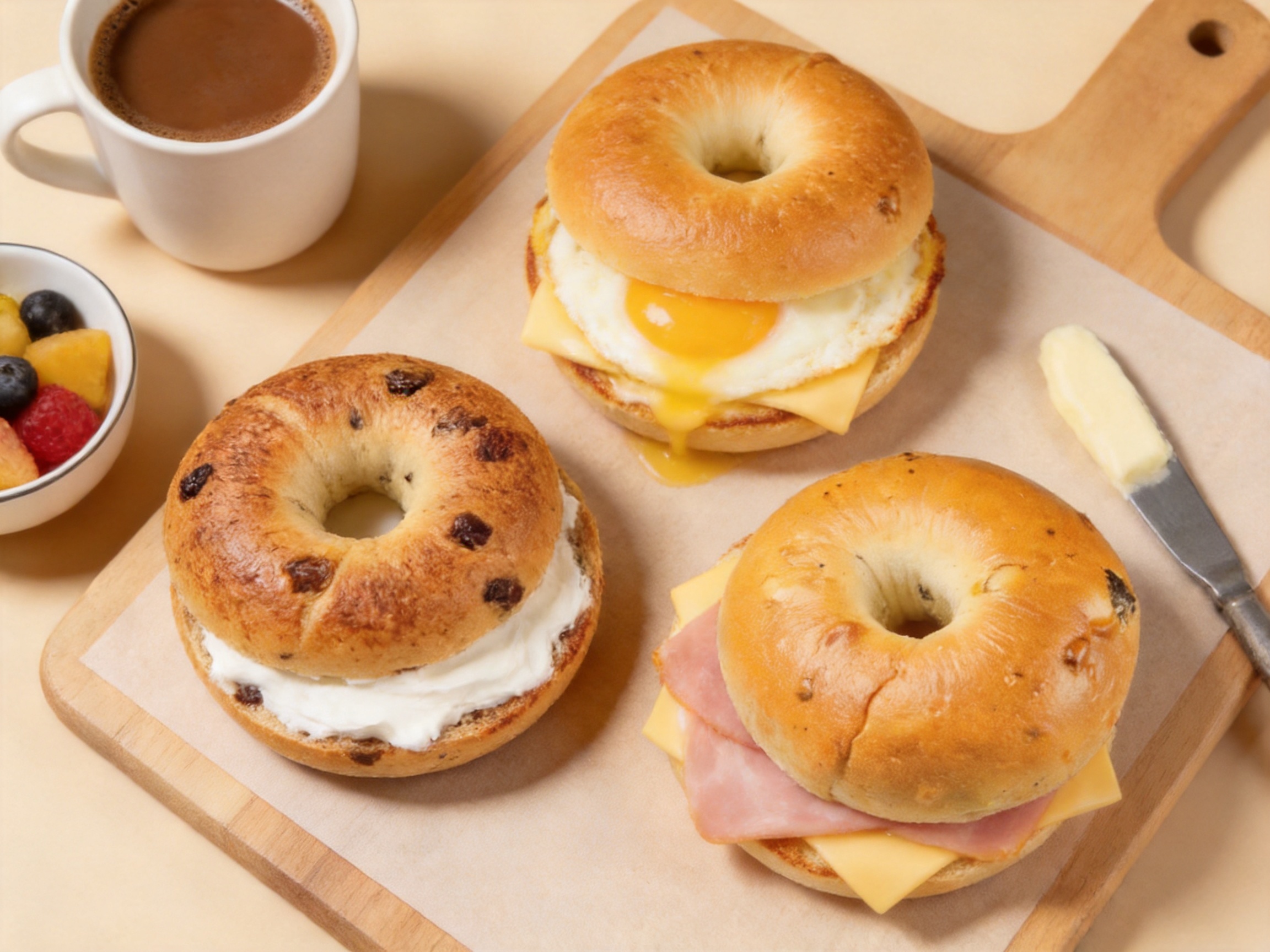
A warm cinnamon raisin bagel with whipped cream cheese offers a simple, visually appealing breakfast. The cream cheese provides richness while preserving the product’s fruit and grain character. A small garnish of chopped nuts or fresh fruit can create a more premium presentation.
A toasted bagel with butter is suitable for grab-and-go service. The warmth releases the baked aroma, and the butter adds moisture and richness. This concept requires minimal preparation and can be paired with coffee or tea.
An egg, cheese, and cinnamon raisin bagel sandwich creates a sweet-and-savory contrast. A mild cheese is especially suitable because it supports the bagel without overpowering it. The sandwich can be offered during breakfast hours or as an all-day menu item.
A ham and cheese version can emphasize the contrast between salty, savory filling and naturally sweet fruit notes. The bagel may be warmed before assembly, allowing the cheese to soften and the aroma to become more pronounced.
For a snack-oriented concept, the bagel can be sliced into portions and served with nut butter, yogurt, or a fruit-based dip. This format may be useful for catering, children’s menus, office snack programs, or retail sampling.
Foodservice operators can also use the product in seasonal menus. Warm spice associations may support autumn and winter promotions, while fruit and grain notes remain suitable throughout the year. Because the product does not depend on a seasonal ingredient alone, it can remain a stable menu item after a limited-time promotion ends.
Q&A: Naturally Sweet Cinnamon Raisin Bagels
What makes this bagel different from a standard plain bagel?
The product combines the familiar dense and chewy bagel structure with cinnamon and naturally sweet raisin inclusions. It offers more aroma, visible fruit character, and flavor complexity than a plain bagel while remaining suitable for breakfast, snacking, and sandwiches.
Is the bagel very sweet?
Its intended profile is based on restrained sweetness. Malted grain notes provide a warm foundation, while baked raisins contribute natural fruit sweetness and a deeper caramel-like finish. It is designed to taste flavorful without becoming overwhelmingly sugary.
Can it be eaten without toppings?
Yes. The bagel is developed to be enjoyable directly from the package, making it suitable for quick breakfasts and grab-and-go occasions. Butter, cream cheese, nut butter, and other spreads can be added when a richer or more customized experience is desired.
Can the product be warmed or toasted?
Yes. Gentle warming can enhance the aroma of the grain, raisins, and cinnamon. Toasting can create additional surface contrast and is particularly suitable when the bagel is served with butter, cream cheese, or sandwich fillings.
Does the product work with savory ingredients?
Yes. Ham, cheese, and egg are specifically suitable pairings. The moderate sweetness creates a sweet-and-savory contrast, while the bagel’s structure provides a stable base for fillings.
What is the product weight?
The supplied product information identifies the bagel as 128 grams. This substantial format supports use as a breakfast item, snack, or sandwich base.
Who can use this product commercially?
The product is suitable for retailers, cafés, restaurants, foodservice distributors, tea and beverage brands, hotels, catering businesses, bakery operators, and private-label customers. Its broad application range allows it to support different channels and dayparts.
What manufacturing strengths support the product?
The manufacturer has specialized in bagel research and manufacturing since 2019. Its reported strengths include an integrated supply chain covering raw materials, research and development, production, and nationwide distribution, along with a portfolio of more than 100 clean-label bagel varieties.
Why is an integrated supply chain important?
An integrated supply chain helps connect ingredient management, product formulation, manufacturing, and distribution. This can support more consistent quality, smoother product development, and more reliable commercial supply.
Is this product suitable for OEM or private-label programs?
Yes. The company identifies OEM and private-label bagel supply as part of its business focus. The flavor profile can serve as a finished product concept or as part of a broader branded frozen bakery range, subject to commercial specifications and customer requirements.
What should operators consider when serving the bagel?
Operators should follow appropriate frozen storage and preparation procedures, manage warming or toasting carefully to avoid excessive drying, and select fillings that complement rather than overpower the cinnamon raisin flavor. Consistent handling is especially important for multi-location operations.
Conclusion
The naturally sweet cinnamon raisin bagel is designed around a practical and appealing combination: a substantial 128-gram format, a lightly browned exterior, a dense and satisfying interior, visible raisin inclusions, and a layered flavor built from malted grain, baked fruit, and cinnamon warmth. Its restrained sweetness allows it to function as more than a sweet breakfast product. It can be served independently, paired with spreads, incorporated into savory sandwiches, or used as a flexible ingredient across café, retail, hotel, catering, and foodservice programs.
Its advantages over less versatile competitors are found in the balance between flavor and function. Compared with a plain bagel, it offers greater sensory distinction. Compared with highly sweetened pastries, it provides broader meal compatibility and a more substantial eating experience. Compared with products designed for only one serving occasion, it can support breakfast, snacking, beverage pairing, and all-day sandwich applications.
The manufacturing foundation adds another layer of commercial value. Goobagel Food’s reported experience in bagel research and manufacturing, integrated supply chain, broad clean-label product portfolio, and distribution capabilities are relevant to buyers seeking dependable frozen bakery supply. These strengths support the product’s potential as both a finished retail item and a platform for OEM or private-label development.
For consumers, the product offers comfort, convenience, and a naturally expressive bakery flavor. For commercial customers, it offers repeatable format, menu flexibility, and the opportunity to add a distinctive sweet-and-fruity option to an established bagel program. Together, these qualities make the naturally sweet cinnamon raisin bagel a credible choice for modern bakery portfolios that value flavor, versatility, and supply reliability.
References
1. Product specification and sensory description supplied for the Naturally Sweet Cinnamon Raisin Bagel, including product weight, flavor profile, serving suggestions, and category information.
2. Company profile supplied for Jiangsu Goobagel Food Technology Co., Ltd., including company history, integrated supply-chain description, product development capabilities, values, and commercial service scope.
3. General principles of frozen bakery product development, including the relationship between formulation, freezing, storage, reheating, texture, and foodservice performance.
4. General sensory evaluation principles for bakery products, including aroma, flavor progression, crumb structure, chewiness, browning, inclusions, and aftertaste.
5. General foodservice menu-development principles concerning product versatility, portion control, preparation efficiency, cross-daypart use, and private-label applications.
6. General retail and foodservice considerations for clean-label communication, ingredient transparency, product positioning, and responsible commercial claims.
