
 中文简体
中文简体
 English




postmaster@goobagelfood.com
Content
- 1 1. Product Overview and Market Position
- 2 2. A Layered Flavor Built Around Natural Sweetness
- 3 3. Texture, Structure, and Eating Satisfaction
- 4 4. Product Advantages Compared with Conventional Sweet Bakery Products
- 5 5. Preparation and Serving Flexibility
- 6 6. Retail, Foodservice, and Private-Label Potential
- 7 7. Manufacturing Strengths and Integrated Supply-Chain Capability
- 8 8. Clean-Label Positioning and Consumer Expectations
- 9 9. Quality and Commercial Evaluation Criteria
- 10 10. Menu Development Ideas
- 11 11. Why the Product Supports Brand Differentiation
- 12 12. Responsible Product Communication
- 13 13. Company Capabilities Supporting the Product
- 14 14. Frequently Asked Questions
- 14.1 What is the flavor profile of the Naturally Sweet Cinnamon Raisin Bagel?
- 14.2 How much does one bagel weigh?
- 14.3 Is the product suitable for eating without additional toppings?
- 14.4 Can the bagel be used in savory sandwiches?
- 14.5 What texture should consumers expect?
- 14.6 Why is the product suitable for cafés and foodservice operators?
- 14.7 Can the product be used for private-label programs?
- 14.8 What manufacturing strengths support the product?
- 14.9 Is the product suitable for all dietary requirements?
- 14.10 How should commercial buyers evaluate the product?
- 15 Conclusion
- 16 References
- 17 Product: Naturally Sweet Cinnamon Raisin Bagel
Bagels have moved well beyond their traditional role as a simple breakfast bread. Today, they are used in cafés, hotel buffets, school meal programs, convenience stores, supermarket freezer sections, bakery counters, catering operations, and quick-service restaurants. Buyers want products that offer a recognizable eating experience while also delivering dependable quality, efficient preparation, attractive portioning, and broad menu potential. The Naturally Sweet Cinnamon Raisin Bagel is designed to meet these practical and sensory demands in one versatile product.
With a 128-gram format, a dense yet tender interior, a lightly browned exterior, and a generous inclusion of oven-baked raisins, this bagel brings together classic chewiness and naturally sweet flavor. Its character begins with a warm malted grain aroma and develops through the deep, rounded taste of caramelized raisins. The result is a restrained sweetness rather than an aggressively sugary profile, making the product suitable for breakfast, snack occasions, dessert-inspired service, and even selected savory combinations.
The product is also supported by a manufacturing platform focused on frozen bakery production, product research, supply-chain integration, and commercial consistency. Goobagel Food has specialized in bagel research and manufacturing since 2019 and has developed more than 100 clean-label bagel varieties for retail, foodservice, café chains, tea brands, and bakery operators. This experience is important because commercial customers require more than a pleasant flavor. They need repeatable quality, dependable supply, efficient storage, flexible preparation, and a product that performs consistently across different sales environments.
This article examines the product’s flavor profile, texture, ingredient experience, preparation flexibility, commercial advantages, and manufacturing strengths. It also explains why a naturally sweet cinnamon raisin bagel can compete effectively in a crowded bakery market and how it can help food businesses create attractive, efficient, and adaptable menus.
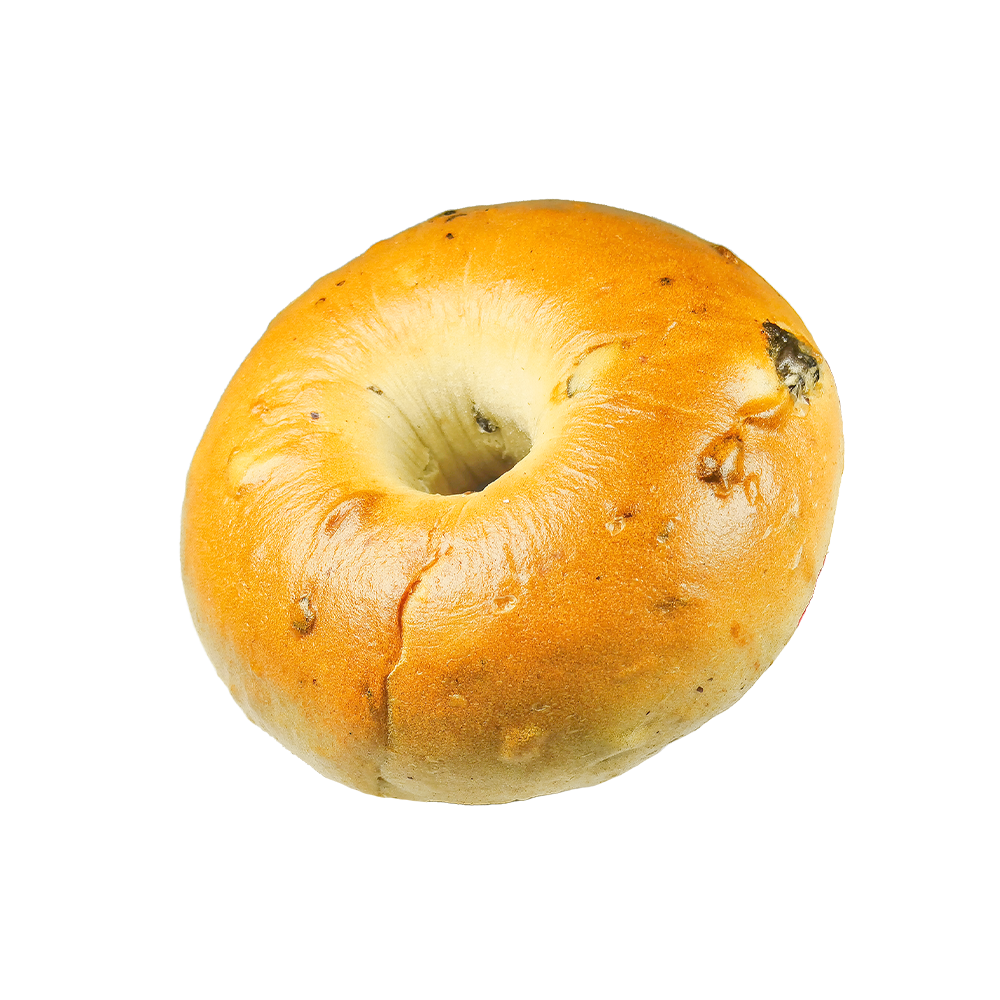
Naturally Sweet Cinnamon Raisin Bagel
1. Product Overview and Market Position
The Naturally Sweet Cinnamon Raisin Bagel belongs to the Sweet & Fruity Bagel category. Its 128-gram size offers a substantial serving without becoming excessively heavy for an everyday breakfast or snack. The format is large enough to support a satisfying meal, yet practical enough for individual packaging, café service, retail display, and frozen distribution.
At its core, the product is a classic bagel with a sweet-fruity flavor direction. The bagel structure provides the familiar chew and density expected from this category, while raisins introduce a natural fruit note and a soft contrast within the dough. Cinnamon contributes warmth and familiarity, helping connect the product with popular breakfast, bakery, and seasonal flavor expectations.
Many sweet bakery products rely heavily on refined sugar, icing, fillings, or strong artificial flavoring to create immediate impact. This bagel takes a different approach. Its appeal is based on the combination of malted grain warmth and oven-baked raisins. Instead of delivering a sharp sugar hit, it creates a rounded flavor that becomes more expressive as the product is chewed. This restrained sweetness can be an important competitive advantage for consumers who prefer a balanced breakfast product rather than a dessert-like bread.
The product also occupies a useful position between traditional bread and indulgent bakery. It is more distinctive than plain toast, but less sweet and less dessert-oriented than a frosted pastry. It can be eaten alone, warmed, spread with butter or cream cheese, paired with nut butter, or incorporated into sweet-and-savory sandwiches. This broad application range gives retailers and foodservice operators more ways to sell the same base product.
Key Product Specifications
| Product Attribute | Product Information | Commercial Value |
|---|---|---|
| Product name | Naturally Sweet Cinnamon Raisin Bagel | Clear flavor identity and strong consumer familiarity |
| Category | Sweet & Fruity Bagel | Suitable for breakfast, snack, café, and bakery menus |
| Net weight | 128 grams | Substantial individual serving size |
| Texture | Lightly browned exterior with a dense, satisfying interior | Delivers a recognizable bagel eating experience |
| Flavor profile | Malted grain, cinnamon warmth, natural grape fragrance, and toasted caramel notes | Layered flavor with broad consumer appeal |
| Primary use occasions | Breakfast, snack, takeaway, café service, and menu applications | Supports multiple sales channels |
| Serving options | Ready to eat, warmed, spread, or used in sandwiches | Flexible preparation and menu development |
2. A Layered Flavor Built Around Natural Sweetness
The strongest feature of this product is its flavor progression. Rather than presenting a single dominant taste, it develops through several connected stages. The first impression is a gentle malted grain aroma. This establishes a baked, cereal-like foundation and immediately signals that the product is a substantial bread rather than a sugary pastry.
As the bagel is chewed, oven-baked raisins contribute a fuller fruit character. The raisins are described as having a bold natural grape fragrance, creating a recognizable dried-fruit identity without requiring an overly sweet coating. Their presence helps make each bite more interesting because the fruit flavor appears within the grain-based structure instead of sitting only on the surface.
Cinnamon supports the fruit and grain components by adding warmth and familiarity. It helps unify the flavor profile while enhancing the perception of freshness and bakery character. Cinnamon is widely associated with breakfast breads, toasted pastries, seasonal baked goods, and comfort food. This makes the flavor easy for consumers to understand while still offering more complexity than a plain sweet roll.
The final stage is a subtle toasted and caramel-like finish. This finish comes from the interaction of baked grain and raisins during heating. It is not intended to resemble a heavy caramel topping. Instead, it adds depth and length to the flavor, encouraging the consumer to take another bite. A good commercial bakery product should remain pleasant throughout the entire serving, and this gradual development helps prevent the flavor from feeling flat or one-dimensional.
Restrained Sweetness as a Competitive Benefit
Sweetness is one of the most important factors in consumer acceptance, but it must be carefully controlled. Products that are too sweet may be perceived as less suitable for daily consumption, especially at breakfast. Products that are not sweet enough may fail to communicate their flavor identity. The Naturally Sweet Cinnamon Raisin Bagel aims for a middle position: clearly sweet and fruity, but still grounded in a robust bread profile.
This restrained sweetness creates several advantages. First, it allows the bagel to appeal to consumers who want a satisfying flavor without the intensity of frosting, glaze, or filled bakery products. Second, it makes the product easier to pair with additional ingredients. Butter, cream cheese, nut butter, sliced fruit, and yogurt can be added without creating an overwhelming sweetness level. Third, the bagel can be used in savory applications where a slight sweet note adds contrast rather than conflict.
For foodservice operators, balanced sweetness also provides menu flexibility. A product that is only suitable for dessert or sweet breakfast use has a narrower commercial role. A product with a moderate sweetness profile can be positioned in several dayparts, from morning takeaway to afternoon snack and specialty sandwich service.
3. Texture, Structure, and Eating Satisfaction
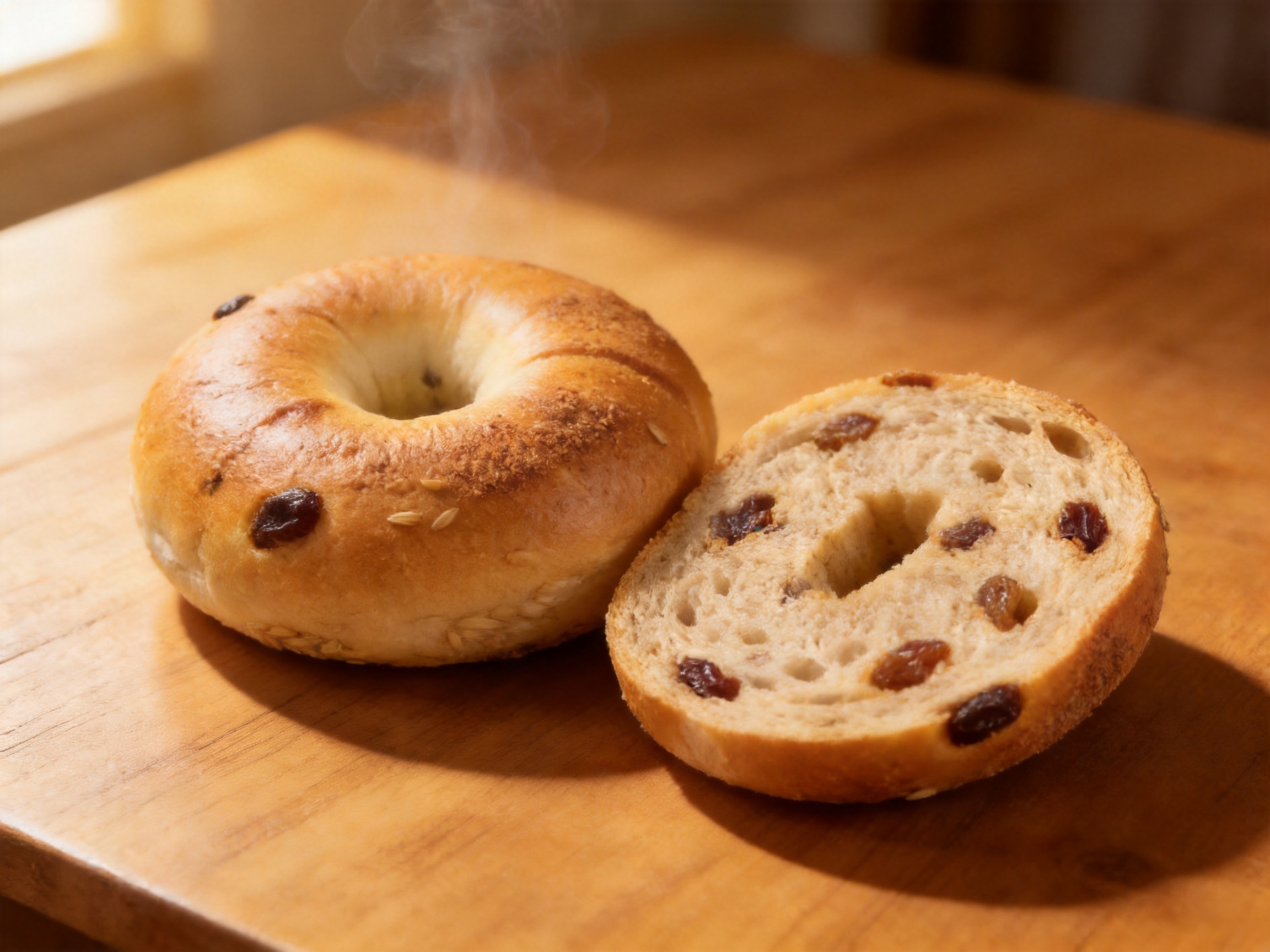
A bagel is judged not only by its flavor but also by its structure. Consumers expect a bagel to provide more resistance and chew than ordinary sliced bread. If the product is too soft, it may lose its category identity. If it is excessively dense or dry, it may become difficult to eat and less appealing for repeat purchase. The Naturally Sweet Cinnamon Raisin Bagel is designed around a lightly browned outer surface and a dense, satisfying interior that avoids a dry eating experience.
The exterior contributes the first textural impression. Light browning gives the surface a baked character and supports the warm aroma released during heating. It also provides a slight contrast against the interior. The inside remains substantial and cohesive, allowing the bagel to be sliced, spread, toasted, or used as a sandwich base without falling apart too easily.
Chew is particularly important in a sweet bagel because it slows the eating experience and allows the flavor to develop. The malted grain notes become more pronounced with chewing, while the raisins release their fruity and toasted characteristics. This makes the bagel more rewarding than a soft, quickly dissolving sweet bread. The consumer experiences the product through aroma, resistance, moisture, sweetness, fruitiness, and finish rather than through sweetness alone.
Why Texture Matters in Commercial Applications
Texture consistency has a direct influence on customer satisfaction. In a café or foodservice environment, the same product may be prepared by different employees, heated using different equipment, or served at different times after preparation. A commercially successful frozen bagel must therefore be able to tolerate ordinary variations in handling while maintaining an appealing eating experience.
A dense interior also provides practical advantages for spreads and fillings. Cream cheese, butter, nut butter, egg, ham, and cheese can be added without immediately compressing the product into an unstable structure. This is important for takeaway service, where the bagel may need to be wrapped, transported, and eaten several minutes after preparation.
For retail consumers, texture creates a perception of value. A 128-gram bagel with a satisfying chew feels more substantial than a lightweight sweet bread. This can support a premium positioning while still preserving everyday usability. Consumers often associate a dense, well-formed bagel with craftsmanship and higher satiety, particularly when the product maintains a pleasant moisture balance.
4. Product Advantages Compared with Conventional Sweet Bakery Products
The Naturally Sweet Cinnamon Raisin Bagel competes in a broad category that includes sweet rolls, raisin bread, muffins, pastries, flavored toast, and filled breakfast products. Its advantage is not that it replaces every one of these products. Rather, it offers a different combination of benefits: bagel structure, recognizable fruit flavor, moderate sweetness, preparation flexibility, and frozen commercial convenience.
More Substantial Than Ordinary Sweet Bread
Compared with conventional sweet bread, the bagel provides a denser and chewier eating experience. This makes it more filling and suitable as a complete breakfast base. It can be served with a spread or paired with a drink without requiring several separate portions to create a satisfying meal.
Less Dessert-Like Than Frosted or Filled Products
Compared with heavily glazed, frosted, or filled bakery items, the product offers a more restrained sweetness profile. The flavor comes from the dough, cinnamon, and raisins rather than from a thick external topping. This allows the bagel to fit more easily into daily breakfast routines and balanced snack menus.
More Versatile Than Single-Use Products
Some bakery products have a very specific serving method. A muffin may be served as a snack, while a filled pastry may be positioned mainly as an indulgent item. The cinnamon raisin bagel has a wider range of uses. It can be sold as a ready-to-eat item, warmed for breakfast, sliced and spread, or incorporated into sandwiches. This versatility can reduce menu complexity because one product can support several applications.
More Distinctive Than Plain Bagels
Plain bagels provide a neutral platform, but they may require toppings or fillings to deliver a strong flavor identity. The cinnamon raisin version already has an identifiable profile, which can help it stand out in retail displays and café menus. Its aroma and visible fruit inclusions can make the product more immediately recognizable to consumers.
More Compatible with Sweet-and-Savory Pairings
The product’s restrained sweetness creates contrast when paired with salty or savory ingredients. Ham, cheese, egg, and similar fillings can produce a layered flavor experience. This gives operators an opportunity to develop signature menu items rather than limiting the product to a simple spread-and-serve format.
| Comparison Point | Conventional Sweet Bread | Frosted or Filled Pastry | Cinnamon Raisin Bagel |
|---|---|---|---|
| Texture | Usually soft and light | May be flaky, soft, or cream-filled | Dense, chewy, and satisfying |
| Sweetness | Moderate to high | Often high | Restrained, fruit-led sweetness |
| Serving flexibility | Usually eaten as purchased | Primarily a snack or dessert | Can be eaten plain, warmed, spread, or used in sandwiches |
| Satiety | Light to moderate | Moderate, depending on filling | Strong due to the 128-gram bagel format |
| Menu potential | Breakfast and snack | Snack and indulgence | Breakfast, snack, café, takeaway, and sweet-savory applications |
5. Preparation and Serving Flexibility
The product is suitable for several preparation styles, allowing businesses to adapt it to their equipment, service speed, and consumer expectations. It can be enjoyed directly from the package for convenience, although warming is recommended when operators want to emphasize aroma and improve the overall sensory experience.
Ready-to-Eat Convenience
For retail and grab-and-go channels, the bagel can be offered as a convenient individual item. This format is suitable for office workers, students, travelers, and consumers who want a quick breakfast without utensils or extensive preparation. Its built-in flavor reduces the need for additional toppings, which can simplify packaging and improve portability.
Warmed Service
Gentle warming can amplify the malted grain aroma, soften the interior, and make the raisin and cinnamon notes more expressive. Cafés, hotel breakfast areas, convenience stores, and bakery counters can warm the product before serving or offer it as part of an order-based preparation system.
Warming also creates a stronger point-of-sale experience. The aroma of cinnamon, baked grain, and raisin can help communicate freshness and encourage impulse purchases. In a retail setting, warming may be used selectively in sampling or foodservice areas to demonstrate the product’s potential.
Spread-Based Applications
Butter is a simple pairing that highlights the bagel’s baked grain character. Cream cheese creates a cool, creamy contrast against the warm cinnamon raisin profile. Nut butter adds roasted depth and increases the product’s perceived richness. These options can be offered as separate add-ons or incorporated into prepared breakfast menus.
Fruit spreads may be used when a sweeter presentation is desired, although the bagel already provides a natural fruit character. Yogurt-based spreads, whipped cream cheese, or lightly sweetened dairy toppings can also create premium café offerings without requiring a complex recipe.
Sweet-and-Savory Sandwich Applications
The bagel’s savory potential is one of its most useful differentiators. Ham and cheese can create a familiar combination in which the raisin sweetness balances saltiness and fat. Egg provides a soft, rich filling that pairs naturally with the chewy bread. Turkey, mild sausage, or breakfast-style cheese can also be tested in menu development.
For best results, operators should select fillings that complement rather than overpower the cinnamon and raisin notes. Mild cheeses, lightly seasoned proteins, eggs, and creamy spreads are generally more compatible than strongly spicy or heavily acidic ingredients. The objective is to create contrast while preserving the identity of the bagel.

6. Retail, Foodservice, and Private-Label Potential
A versatile frozen bagel can serve several commercial channels. Retail buyers may be interested in portion size, packaging efficiency, flavor differentiation, and freezer stability. Foodservice buyers may focus on preparation speed, yield, consistency, and menu adaptability. Café chains and tea brands may prioritize flavor trends, visual presentation, and compatibility with beverage-led occasions.
The Naturally Sweet Cinnamon Raisin Bagel has characteristics that support each of these channels. Its clear flavor name makes it easy to communicate to consumers. The 128-gram format provides a defined serving size. Its flavor is familiar enough to reduce consumer education requirements, yet distinctive enough to stand apart from plain bagels. Its frozen bakery format can help operators manage inventory and reduce the pressure associated with producing fresh dough on site.
Retail Freezer Applications
In retail, the product can be positioned as a convenient breakfast staple or a premium flavored bagel. Packaging should communicate the natural sweetness, cinnamon warmth, raisin inclusion, and serving flexibility. Consumers may be encouraged to eat it plain, toast it, or pair it with cream cheese and butter.
Retailers can also use the product in breakfast bundles with coffee, tea, milk, yogurt, or fruit. Because the bagel can function as both a snack and a meal base, it may be suitable for several promotional periods throughout the year rather than being restricted to a single seasonal campaign.
Café and Tea Brand Applications
Cafés and tea brands can use the bagel as a food companion to hot and cold beverages. Cinnamon, raisin, and malted grain notes pair naturally with coffee, black tea, milk tea, chai-style beverages, and other warm drinks. A warmed bagel with cream cheese can serve as a simple breakfast item, while a sliced bagel sandwich can support a more substantial lunchtime offering.
The product may also be incorporated into set menus. For example, a café could offer a cinnamon raisin bagel with a hot beverage, a cream cheese portion, or a breakfast side. Such combinations can increase average order value while maintaining a simple preparation process.
Foodservice and Hospitality
Hotels, restaurants, catering companies, and institutional foodservice operations often need products that are easy to portion and dependable across multiple service periods. A frozen bagel can be stored for planned use and prepared according to demand. The product’s substantial format makes it suitable for breakfast buffets, meeting catering, staff meals, and takeaway packs.
In hospitality settings, the bagel can be displayed alongside plain, sesame, or savory bagel varieties to create a more complete assortment. Its fruit-forward flavor provides contrast within a mixed bakery selection and can attract guests who prefer sweet breakfast choices.
OEM and Private-Label Opportunities
For brands developing their own bakery programs, product development capability is a major consideration. A supplier with experience in more than 100 clean-label bagel varieties can provide a stronger foundation for flavor extensions, packaging programs, and channel-specific product planning. The cinnamon raisin profile may serve as a finished product or as part of a broader bagel portfolio.
Private-label customers may seek adjustments in weight, packaging, flavor intensity, inclusion level, or preparation format. Any such development should be evaluated through formal product trials, sensory testing, production validation, and commercial supply planning. The manufacturer’s integrated capabilities can support this process by connecting raw material management, research and development, production, and distribution.
7. Manufacturing Strengths and Integrated Supply-Chain Capability
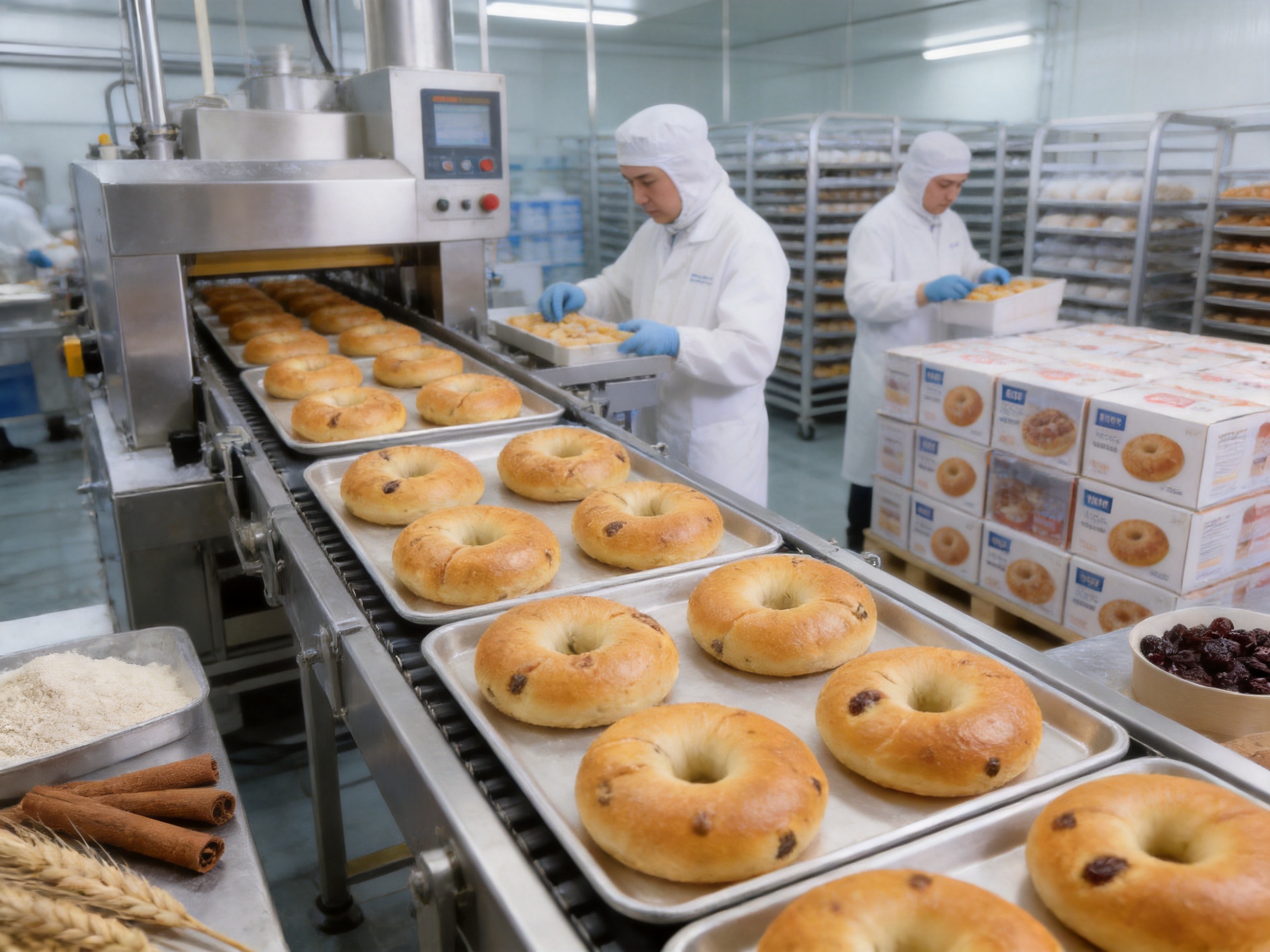
A strong product concept must be supported by a manufacturing system capable of delivering the same experience repeatedly. Goobagel Food has specialized in bagel research and manufacturing since 2019. Its operations are described as a modern frozen bakery platform with an integrated supply chain covering raw materials, research and development, production, and nationwide distribution.
This integration is important because the final quality of a bagel depends on the coordination of several stages. Ingredient selection affects aroma, dough behavior, flavor, and texture. Product development determines the balance of grain, cinnamon, and raisins. Production control influences shape, browning, structure, and consistency. Frozen distribution protects the product’s commercial usability after manufacturing. When these functions are connected, the supplier is better positioned to manage quality from development through delivery.
Raw Material Coordination
Raw materials play a central role in a fruit-filled bakery product. Raisins must contribute attractive flavor and a pleasant eating texture. Grain ingredients must support the desired chew and aroma. Cinnamon must be integrated in a way that complements the fruit instead of dominating it. A coordinated raw-material system helps manufacturers manage specifications, availability, and product consistency.
For commercial buyers, raw-material coordination can also reduce uncertainty. Stable sourcing and clear product specifications make it easier to plan procurement, forecast production, and maintain a consistent menu experience. This is especially important for private-label and multi-location customers, where variation between batches can create customer complaints or operational difficulties.
Research and Development
Bagel research and development requires more than creating a pleasant flavor. Developers must consider dough performance, inclusion distribution, shape, weight, moisture, freezing behavior, reheating performance, packaging, and customer use. A product that tastes good in a laboratory sample must also perform in real commercial conditions.
The company’s portfolio of more than 100 clean-label bagel varieties indicates experience with flavor development and product diversification. This breadth can help customers identify suitable products for different market segments, including classic bagels, stuffed bagels, bagel sandwiches, sweet varieties, and specialty concepts.
For the cinnamon raisin product, development priorities include maintaining a balanced distribution of raisins, preserving bagel chew, achieving a lightly browned exterior, and ensuring that warming brings forward the intended aroma. These factors are interconnected. Too many inclusions may weaken structure, while too few may reduce flavor impact. Excessive sweetness may limit applications, while insufficient fruit character may make the product indistinct.
Production Consistency
Consistency is one of the most valuable benefits a professional manufacturer can provide. Commercial customers need predictable piece weight, shape, texture, flavor, and preparation performance. Consistency supports portion control, menu costing, customer satisfaction, and brand reputation.
A dedicated bagel manufacturing system can also provide more specialized process knowledge than a general bakery facility. Bagels have distinctive structural requirements, and their preparation must support the characteristic chew and density that consumers expect. Maintaining these qualities at scale requires production discipline, equipment coordination, process monitoring, and trained personnel.
Frozen Bakery Expertise
Frozen bakery production offers practical advantages for businesses that do not want to make bagels from scratch. It can extend inventory planning flexibility, simplify labor requirements, reduce on-site preparation steps, and support distribution across multiple locations. Operators can prepare products according to demand instead of producing large quantities of fresh dough every day.
Frozen products also support menu standardization. A café chain or foodservice group can use the same product across locations, helping maintain a consistent customer experience. The operator can focus on final preparation, toppings, fillings, and presentation while relying on the manufacturer for the core bagel.
Distribution and Supply Reliability
Nationwide distribution capability is another strength for customers who require dependable replenishment. A supplier that coordinates production and distribution can help commercial partners plan inventory more effectively. This is particularly valuable for restaurant groups, retail programs, and growing brands that need reliable supply across multiple locations.
Supply reliability does not mean that every customer has identical requirements. Different buyers may need different pack sizes, delivery schedules, labeling formats, and product specifications. A capable manufacturer should therefore combine standardized production with responsive commercial communication and appropriate customization.
8. Clean-Label Positioning and Consumer Expectations
Consumers increasingly examine ingredient statements, product descriptions, and perceived levels of processing when choosing bakery products. The company’s portfolio includes more than 100 clean-label bagel varieties, supporting a product-development direction that responds to demand for recognizable ingredients and straightforward food concepts.
Clean-label positioning should be communicated accurately and responsibly. It does not automatically mean that a product satisfies every dietary preference, allergen requirement, or regulatory definition. Buyers should always review the complete ingredient declaration, allergen statement, nutrition information, storage instructions, and local compliance documentation before commercial launch.
For the Naturally Sweet Cinnamon Raisin Bagel, the clean and understandable flavor concept is a practical advantage. Consumers can immediately recognize the main sensory components: cinnamon, raisins, baked grain, and natural sweetness. This clarity may reduce hesitation at the point of purchase and help retailers create simple, effective product communication.
The product may be especially attractive to consumers who want a bakery item with a familiar ingredient profile and a satisfying texture. Its flavor does not depend on an elaborate topping or a complicated filling. This can make it easier to position as an everyday food rather than an occasional indulgence.
9. Quality and Commercial Evaluation Criteria
Businesses evaluating a frozen bagel should consider more than the initial tasting sample. A complete commercial assessment should include sensory quality, physical appearance, packaging, storage, thawing or heating performance, portion consistency, and customer acceptance.
Sensory Evaluation
Sensory testing should examine aroma, sweetness, cinnamon intensity, raisin distribution, chewiness, moisture, aftertaste, and overall balance. Evaluators should taste the product in more than one condition, including straight from the package when appropriate, warmed, sliced, and paired with proposed spreads or fillings.
Physical Appearance
The product should present a recognizable bagel shape with an attractive surface and consistent size. Raisin distribution should support a clear flavor experience without creating excessive surface damage or structural weakness. Light browning should appear appetizing and consistent with the intended bakery character.
Preparation Performance
Foodservice buyers should test the product using the equipment available in their locations. Microwave heating, oven warming, toaster preparation, or other methods may produce different results. Standard operating procedures should be established so that staff can reproduce the desired texture and temperature efficiently.
Packaging and Storage
Packaging should protect the product during frozen storage and distribution. It should also provide clear product identification, preparation guidance, storage information, and required regulatory details. Buyers should confirm that packaging formats fit their freezer capacity, inventory rotation system, and retail or foodservice workflow.
Supply and Documentation
Before placing a large order, commercial customers should review production capacity, minimum order quantities, lead times, shelf-life information, certifications, allergen controls, quality systems, and export or domestic documentation as applicable. These factors help ensure that a promising product can become a reliable long-term supply item.
10. Menu Development Ideas
The product can be introduced through simple applications that preserve its original character. The most effective menu concepts often require only a few additional ingredients, allowing the bagel to remain the central flavor and texture element.
Warm Cinnamon Raisin Bagel with Cream Cheese
Warm the bagel gently and serve it with a portion of plain or lightly whipped cream cheese. The creaminess balances the chewy structure, while the mild dairy flavor allows the cinnamon and raisin notes to remain noticeable.
Butter and Breakfast Beverage Pairing
Serve the warmed bagel with butter and coffee, tea, or milk. This straightforward combination is suitable for hotel breakfasts, café breakfast sets, and convenience-store meal deals. It requires minimal assembly and can be prepared quickly during peak service periods.
Nut Butter and Banana Bagel
Slice the bagel and add nut butter with banana. The fruit complements the raisin profile, while the nut butter contributes roasted flavor and a rich mouthfeel. This application can appeal to consumers seeking a more filling breakfast or post-exercise snack.
Ham and Mild Cheese Bagel
Use thinly sliced ham and a mild cheese to create a sweet-and-savory breakfast sandwich. The saltiness of the ham and the richness of the cheese contrast with the raisins, while the bagel provides enough structure to support takeaway packaging.
Egg and Cheese Breakfast Bagel
An egg and cheese filling creates a familiar breakfast format with a more distinctive bread base. Operators should select mild seasoning so that the filling enhances rather than overwhelms the cinnamon raisin flavor.
Seasonal Toasted Bagel Plate
For cafés and restaurants, the bagel can be served as part of a plated breakfast with yogurt, fresh fruit, or a small portion of butter. This presentation allows the product to function as a bakery centerpiece while supporting a more premium dining experience.
11. Why the Product Supports Brand Differentiation
In a crowded bakery market, differentiation can come from several sources: flavor, texture, ingredient positioning, convenience, format, application range, or supply capability. The Naturally Sweet Cinnamon Raisin Bagel combines several of these factors instead of relying on only one.
Its flavor is familiar but not generic. Cinnamon and raisins are widely recognized, yet the product’s restrained sweetness and toasted finish provide a more developed sensory profile than a basic raisin bread. Its bagel structure also distinguishes it from soft breakfast loaves and sweet pastries.
The product can be used to create a broader brand story around modern bakery convenience. A retailer may position it as an everyday freezer staple. A café may present it as a warm breakfast specialty. A foodservice operator may use it as a flexible sandwich base. A private-label brand may include it in a curated range of clean-label flavored bagels.
For buyers, this means the same core product can be adapted to different channels without losing its identity. Such flexibility can reduce development time and improve the return on menu testing, packaging design, and promotional investment.
12. Responsible Product Communication
Marketing communication should describe the product’s actual qualities clearly. Appropriate messages may focus on its 128-gram serving size, chewy bagel texture, cinnamon warmth, baked raisin flavor, balanced sweetness, and preparation versatility. Communication can also explain that the product is suitable for direct consumption, warming, spreads, or sandwiches.
Claims relating to health, nutrition, allergens, ingredients, shelf life, certifications, or dietary suitability should be verified against approved technical documentation and applicable regulations. A product described as naturally sweet should not be presented in a way that suggests it is sugar-free unless that claim has been formally substantiated. Similarly, clean-label positioning should be supported by a complete and accurate ingredient statement.
Clear communication builds trust with both consumers and commercial buyers. It also helps reduce operational errors by ensuring that staff understand storage, preparation, and serving requirements. For a frozen bakery product, practical instructions are as important as attractive flavor language.
13. Company Capabilities Supporting the Product
Goobagel Food has built its business around bagel research and manufacturing since 2019. Its stated mission is to provide customers with high-quality and healthy products while providing partners with opportunities to realize their dreams. The company’s vision is to strive for a better life, and its values include persistence, craftsmanship, respect, and science.
These principles align with the needs of commercial bakery customers. Persistence supports long-term product improvement and supply relationships. Craftsmanship is relevant to texture, shaping, flavor balance, and baking quality. Respect supports cooperation with customers and partners. Science is essential for process control, product development, food safety, storage evaluation, and performance testing.
The company’s integrated model covers raw materials, research and development, production, and nationwide distribution. This creates a foundation for stable quality and reliable supply. Its experience serving retail, foodservice, café chains, tea brands, and bakery operators also indicates an understanding of the different requirements found across commercial channels.
For customers seeking OEM or private-label solutions, the combination of product variety and manufacturing experience can be valuable. Instead of beginning with a general bread producer unfamiliar with bagel-specific requirements, buyers can work with a supplier whose core business is focused on bagels and related applications.
14. Frequently Asked Questions
What is the flavor profile of the Naturally Sweet Cinnamon Raisin Bagel?
The flavor combines malted grain warmth, cinnamon aroma, natural grape notes from baked raisins, and a subtle toasted caramel finish. The sweetness is designed to be rounded and restrained rather than intensely sugary.
How much does one bagel weigh?
Each bagel is listed at 128 grams, providing a substantial individual serving suitable for breakfast, snack service, or sandwich applications.
Is the product suitable for eating without additional toppings?
Yes. The bagel has its own cinnamon and raisin flavor and can be eaten directly from the package when appropriate. Warming, butter, cream cheese, or nut butter can be added when a richer or more aromatic serving experience is desired.
Can the bagel be used in savory sandwiches?
Yes. The restrained sweetness works particularly well with mild savory ingredients such as ham, cheese, and egg. These combinations create a sweet-and-salty contrast while preserving the bagel’s distinctive identity.
What texture should consumers expect?
The product is designed to have a lightly browned exterior and a dense, satisfying interior. It should provide recognizable bagel chew without becoming excessively dry.
Why is the product suitable for cafés and foodservice operators?
It offers a clear flavor identity, a defined serving size, multiple preparation options, and compatibility with breakfast, snack, beverage-pairing, and sandwich menus. Its frozen bakery format can also support inventory planning and consistent preparation.
Can the product be used for private-label programs?
The manufacturer provides OEM and private-label bagel solutions. Specific requirements such as packaging, product specifications, labeling, minimum order quantities, and delivery schedules should be discussed and validated with the supplier.
What manufacturing strengths support the product?
The company has specialized in bagel research and manufacturing since 2019 and operates an integrated frozen bakery supply chain covering raw materials, research and development, production, and distribution. It also reports a portfolio of more than 100 clean-label bagel varieties.
Is the product suitable for all dietary requirements?
Dietary suitability depends on the final ingredient declaration, allergen statement, nutritional information, and applicable regulations. Commercial buyers should review the official technical documentation before making dietary or health-related claims.
How should commercial buyers evaluate the product?
Buyers should assess flavor, texture, raisin distribution, appearance, heating performance, packaging, frozen storage, shelf life, supply capacity, technical documentation, and consumer acceptance in the intended sales channel.
Conclusion
The Naturally Sweet Cinnamon Raisin Bagel offers a balanced approach to flavored bakery products. It combines the familiar appeal of cinnamon and raisins with the substantial chew of a classic bagel. Its malted grain foundation, natural grape fragrance, gently caramelized raisin notes, and restrained sweetness create a layered eating experience that is suitable for everyday consumption.
Its competitive value comes from versatility. The product can be eaten plain, warmed, spread with butter or cream cheese, paired with nut butter, or used in sweet-and-savory sandwiches. This allows retailers, cafés, foodservice operators, hotel groups, and private-label brands to develop several applications around one reliable product platform.
The manufacturing foundation adds further value. Since 2019, Goobagel Food has focused on bagel research and production, building an integrated supply chain that connects raw materials, product development, manufacturing, and distribution. Its portfolio of more than 100 clean-label bagel varieties demonstrates experience in creating products for different commercial needs.
For buyers seeking a frozen bagel with a clear flavor identity, substantial portion size, practical menu flexibility, and professional manufacturing support, the Naturally Sweet Cinnamon Raisin Bagel is a strong candidate for evaluation. Its combination of natural fruit character, bakery warmth, classic chew, and commercial adaptability gives it a meaningful place in modern retail and foodservice programs.
References
1. Goobagel Food product information for Naturally Sweet Cinnamon Raisin Bagel, including product category, flavor description, serving size, and suggested applications.
2. Goobagel Food company information concerning bagel research, frozen bakery manufacturing, clean-label product development, supply-chain integration, and distribution capabilities.
3. General principles of sensory evaluation for bakery products, including assessment of aroma, flavor, texture, appearance, and aftertaste.
4. General commercial bakery quality considerations covering frozen storage, preparation performance, portion consistency, packaging, and foodservice application.
5. General food product development practices for OEM and private-label bakery programs, including specification review, pilot testing, sensory validation, labeling, and supply planning.
