
 中文简体
 English



postmaster@goobagelfood.com
Content
- 1 A New Interpretation of the Cream Cheese Bagel
- 2 Flavor Architecture: Creamy, Floral, and Balanced
- 3 Product Specifications and Commercial Positioning
- 4 Warm and Chilled Serving Experiences
- 5 Advantages Over Conventional Bagel Options
- 6 Ingredient-Led Product Development
- 7 Manufacturing Strengths and Integrated Supply Capability
- 8 Production Process Considerations
- 9 Clean-Label Development and Consumer Expectations
- 10 Applications Across Different Business Channels
- 11 Product: New Zealand Cream Cheese Rose Cream Cheese Bagel
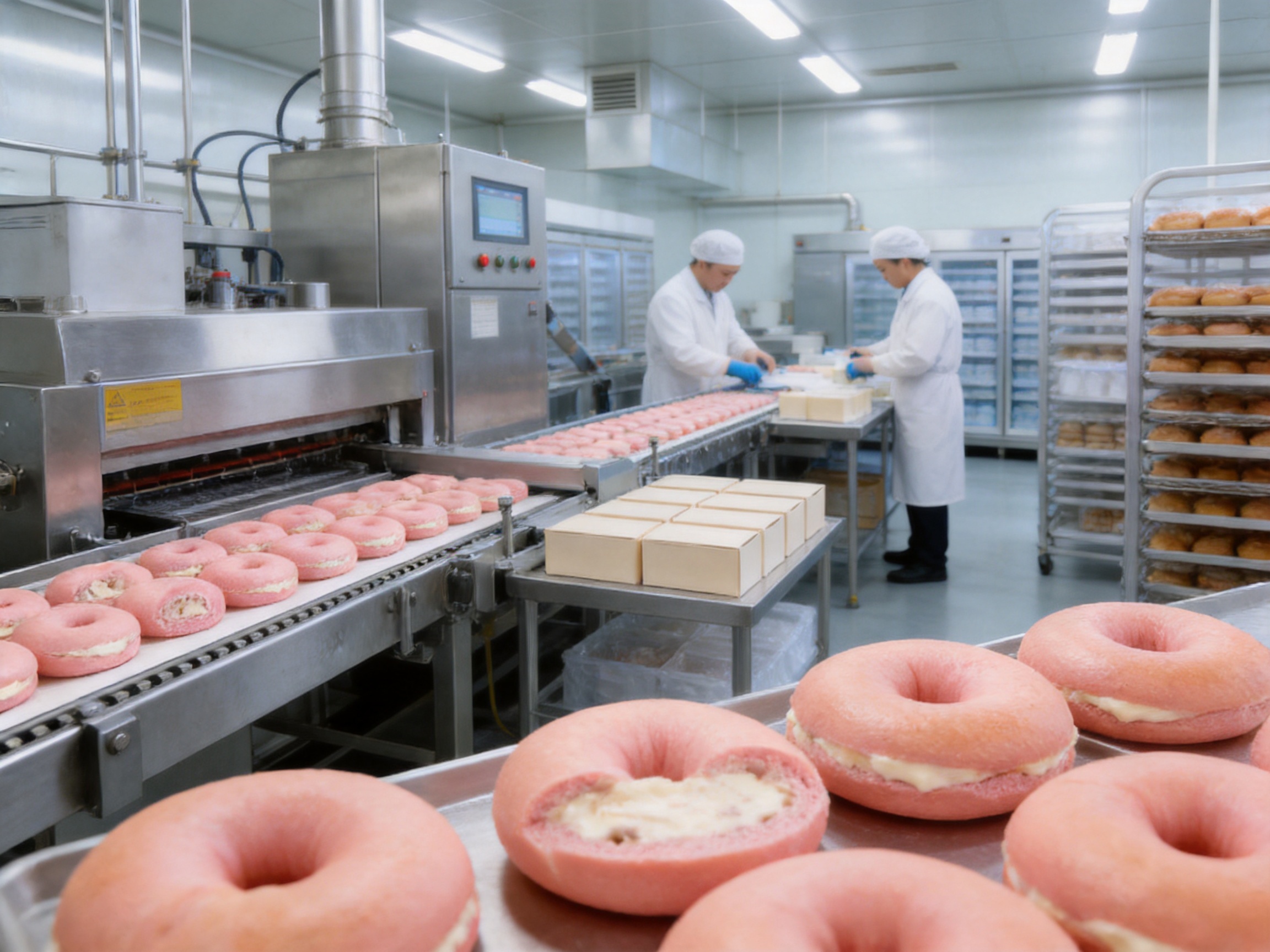
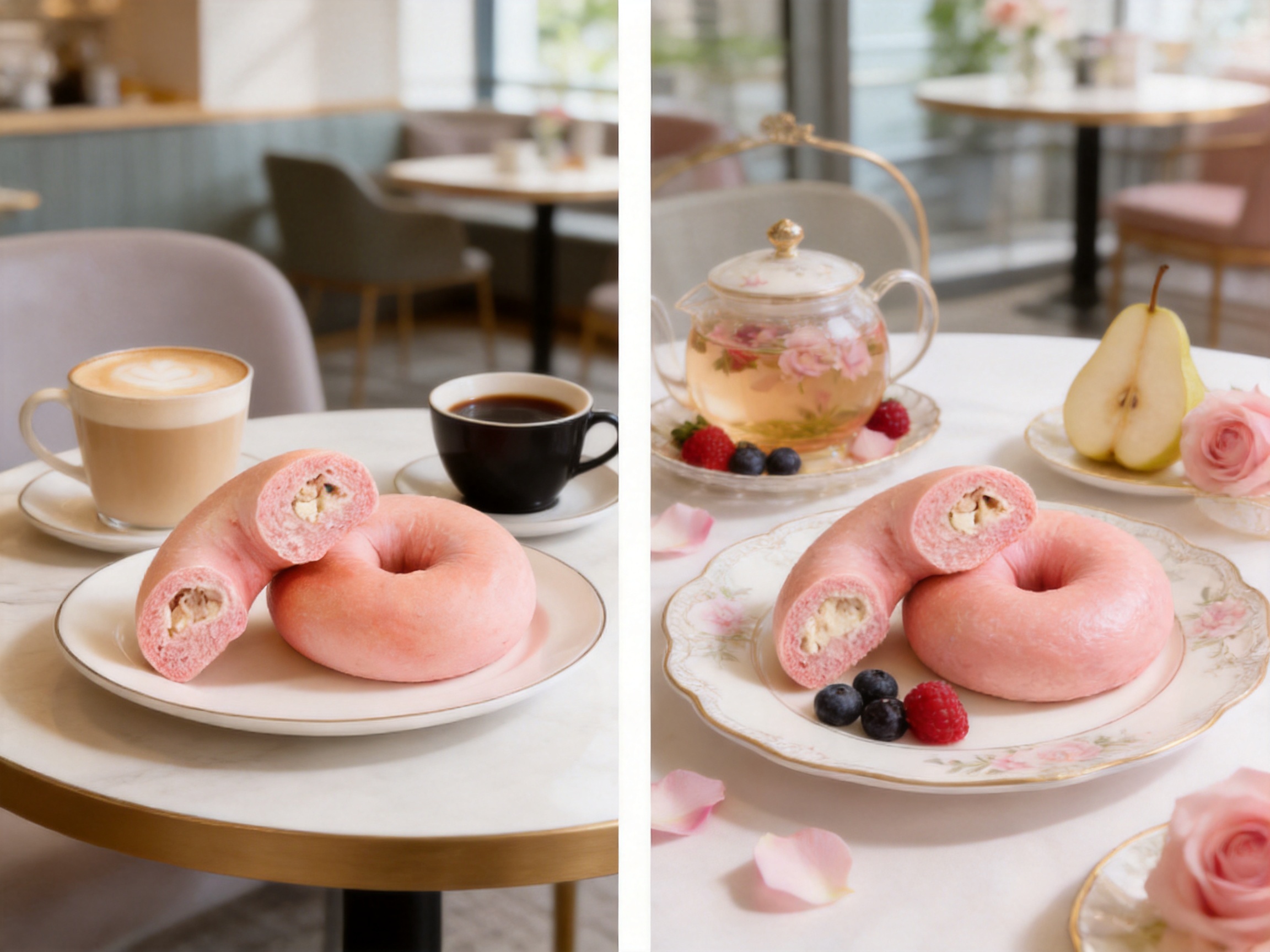
The bagel category has moved far beyond the traditional plain, sesame, and cinnamon options that once dominated bakery shelves. Consumers now expect familiar products to offer more character, better ingredients, greater convenience, and a stronger connection to contemporary café and lifestyle trends. The New Zealand Cream Cheese Rose Cream Cheese Bagel responds to these expectations by combining a soft, satisfying bagel format with a refined cream cheese filling and the delicate floral character of Yunnan double-petal red roses.
With a 100-gram portion, this product is designed to provide a balanced eating experience without becoming excessively heavy. Its flavor profile begins with the rich, smooth foundation of New Zealand cream cheese and develops into a gentle rose aroma with a subtle honey-like finish. Rather than relying on an aggressive perfume-like taste, the formulation aims to create a restrained floral note that complements the dairy base.
This combination gives the product a distinctive position within the growing cream cheese bagel segment. It can serve as a breakfast item, an afternoon snack, a café pairing, a bakery display product, or an ingredient-led addition to a frozen bakery portfolio. Its versatility also makes it suitable for retail, foodservice, café chains, tea brands, and bakery operators seeking differentiated products with dependable supply.
A New Interpretation of the Cream Cheese Bagel
A cream cheese bagel succeeds when its components are balanced. The bagel must provide enough chew and structure to support the filling, while the cream cheese must deliver richness without overwhelming the bread. The floral ingredient must then add distinction without making the product taste artificial or overly sweet. The New Zealand Cream Cheese Rose Cream Cheese Bagel is developed around this principle of balance.
The product uses New Zealand cream cheese as its principal flavor foundation. Cream cheese contributes a soft, full-bodied dairy character that is familiar to consumers across many markets. It also provides a smooth mouthfeel, helping the bagel feel more indulgent than a plain bakery item while retaining a clean and approachable profile.
Rose is introduced as a supporting layer rather than the sole defining taste. This is an important distinction. Some floral products can become intensely perfumed, which may limit their appeal to consumers who prefer subtle flavors. Here, the rose note is intended to remain gentle, bright, and authentic, creating a longer and more refined flavor line from the first bite through the finish.
The use of Yunnan double-petal red rose adds a regional ingredient story and gives the product a point of differentiation. Floral flavors are increasingly associated with premium beverages, tea culture, desserts, and wellness-oriented lifestyles. By bringing rose into a cream cheese bagel, the product connects the bakery category with those wider food and beverage trends.
Flavor Architecture: Creamy, Floral, and Balanced
The Dairy Foundation
The first impression of the product is expected to come from the cream cheese. Its role is not merely to add moisture or filling volume. It establishes the main body of the eating experience. A rich dairy foundation gives the bagel roundness and helps smooth the transition between the bread and the floral component.
New Zealand cream cheese is positioned as a premium ingredient with a soft and comforting profile. Its milky character allows the product to communicate quality through taste rather than relying only on packaging or visual presentation. The cream cheese also helps make the product suitable for consumers who enjoy classic cream cheese bagels but are interested in a more contemporary flavor.
The Rose Layer
The rose component adds lift and aromatic length. Instead of making the bagel sharply sweet, it contributes a delicate floral accent that can be perceived as elegant and lightly honeyed. This allows the product to occupy a space between a conventional savory breakfast bagel and a dessert-inspired bakery item.
The rose note is especially suitable for consumers who enjoy floral teas, specialty coffee, fruit-forward desserts, and modern bakery products. It can also provide a seasonal or premium angle for retailers seeking limited-edition flavors, afternoon tea selections, or gift-oriented food assortments.
The Finish
A successful flavored bagel should not end with an excessive aftertaste. The intended finish of this product is subtle and memorable, with the cream cheese remaining present while the floral character lingers gently. This balance is valuable for commercial applications because it broadens the product’s potential audience.
Consumers who already enjoy rose-flavored foods may appreciate the ingredient’s recognizable character. Consumers who are new to floral bakery products may find the restrained profile easier to approach than a highly concentrated rose flavor. The product therefore offers differentiation without depending on intensity alone.

New Zealand Cream Cheese Rose Cream Cheese Bagel
Product Specifications and Commercial Positioning
| Item | Product Information | Commercial Significance |
|---|---|---|
| Product type | Rose cream cheese bagel | Combines a familiar bagel format with a premium floral filling |
| Primary dairy ingredient | New Zealand cream cheese | Provides richness, smoothness, and a recognizable quality cue |
| Floral ingredient | Yunnan double-petal red rose | Adds aromatic distinction and a regional ingredient story |
| Net product description | 100 grams | Offers a practical single-serving size for breakfast or snacking |
| Product category | Cream cheese bagel | Fits bakery, café, retail, tea, and foodservice programs |
| Service flexibility | Suitable for warm or chilled consumption | Supports multiple menu applications and customer preferences |
| Supply format | Frozen bakery product capability | Supports inventory planning, distribution, and operational consistency |
The 100-gram format is commercially practical. It is substantial enough to function as a satisfying breakfast item, but compact enough for a snack menu, café counter, grab-and-go cabinet, or mixed bakery box. A consistent portion also assists operators with menu pricing, inventory forecasting, serving calculations, and quality control.
For retail, the product can be offered as part of a premium frozen bakery range or a differentiated bagel assortment. For foodservice, it can be used as a stand-alone menu item or paired with beverages and side dishes. For café chains, the flavor creates an opportunity to introduce a signature item that is visually and conceptually different from plain cream cheese products.
The product also has potential for tea brands and afternoon tea programs. Rose is naturally associated with floral tea, elegant desserts, and special-occasion service. A rose cream cheese bagel can therefore help bridge the gap between everyday bakery consumption and more curated food experiences.
Warm and Chilled Serving Experiences
One advantage of this product is that its sensory character can change depending on serving temperature. When warmed, the cream cheese becomes softer and more aromatic. The warmth can help release the rose fragrance, making the floral note more noticeable and creating a comforting breakfast experience.
A warm serving is particularly suitable for pairing with black coffee, espresso-based drinks, or a latte. The roasted notes of coffee can contrast with the creaminess of the filling, while the heat of the beverage and bagel encourages the rose aroma to develop gradually. This makes the product a natural fit for café breakfast menus and morning combination offers.
When served chilled, the cream cheese firms up and the overall flavor becomes more delicate. The rose character may feel lighter and more dessert-like, while the dairy profile becomes clean and distinct. This presentation can work well for afternoon tea, chilled bakery displays, boxed catering, and warm-weather menus.
The dual serving potential gives foodservice operators greater flexibility. A single product can support multiple dayparts and menu concepts without requiring a separate recipe for each occasion. It can be promoted as a warm breakfast bagel, a chilled afternoon treat, or a premium accompaniment to floral tea.
Pairing with Coffee
Black coffee provides bitterness and roasted depth, which can prevent the cream cheese profile from feeling too rich. A latte creates a smoother pairing, reinforcing the dairy notes and allowing the rose aroma to appear gradually. Cappuccino, flat white, and lightly sweetened milk coffee can also complement the product.
Pairing with Tea
Floral tea can emphasize the rose character, while black tea offers a more structured contrast. Green tea may create a lighter and fresher combination. For afternoon tea service, the bagel can be presented with fruit, lightly sweetened beverages, or other delicate bakery items.
Pairing with Fruit and Light Toppings
Fresh berries, sliced pear, apple, or lightly acidic fruit spreads can add brightness. However, toppings should be selected carefully so they do not conceal the cream cheese and rose profile. The product is already flavor-led, so simple pairings are often more effective than heavily seasoned additions.
Advantages Over Conventional Bagel Options
Traditional plain bagels remain popular because they are versatile and familiar. However, their neutral profile can make it difficult for retailers and foodservice operators to create a memorable signature product. The New Zealand Cream Cheese Rose Cream Cheese Bagel offers a stronger identity from the first point of purchase.
Compared with a plain cream cheese bagel, it delivers an additional aromatic dimension. Compared with sweet dessert bread, it retains the recognizable structure and eating occasion of a bagel. Compared with heavily flavored pastries, it offers a more restrained sweetness and a creamier, more balanced profile.
The product also differs from many fruit-filled bakery items. Fruit fillings often depend on acidity or sugar for impact, whereas the rose cream cheese combination uses aroma and dairy richness to create distinction. This may appeal to consumers looking for something special without choosing an intensely sweet product.
| Comparison point | Conventional plain bagel | Sweet dessert pastry | Rose cream cheese bagel |
|---|---|---|---|
| Core identity | Familiar and neutral | Sweet and indulgent | Premium, creamy, and aromatic |
| Flavor intensity | Low to moderate | Usually high in sweetness | Moderate with a subtle floral finish |
| Primary appeal | Everyday versatility | Dessert or treat occasion | Breakfast, snack, café, and tea occasions |
| Pairing flexibility | Broad but requires toppings | Often paired with sweet beverages | Works with coffee, latte, black tea, and floral tea |
| Differentiation | Limited without customization | Often based on sweetness or decoration | Based on cream cheese quality and rose flavor |
The product’s competitive strength is therefore not based on one ingredient alone. It comes from the combination of a recognized bagel format, premium dairy positioning, regional floral character, adaptable serving temperature, and commercial convenience.
Ingredient-Led Product Development
Modern consumers increasingly pay attention to ingredient identity. They want to understand what gives a product its flavor and why it feels different from an ordinary alternative. An ingredient-led product communicates its value more clearly when the main components are easy to recognize.
This bagel has a straightforward story: New Zealand cream cheese creates the smooth dairy base, while Yunnan rose contributes the aromatic signature. The formulation does not need to depend entirely on complex decoration or elaborate toppings to appear premium. Its differentiation is integrated into the product itself.
Ingredient-led development can also support more effective sales communication. Retail staff, café employees, and online product listings can describe the product using a concise narrative: a creamy bagel with a delicate rose finish. This makes it easier for customers to understand the product before purchasing.
For business buyers, a clear ingredient story can support menu descriptions, seasonal campaigns, product launches, and private-label positioning. It can also help create a broader series of related products, such as floral, tea-inspired, fruit-and-cream, or regional ingredient bagels.
Manufacturing Strengths and Integrated Supply Capability
The producer behind the product has specialized in bagel research and manufacturing since 2019. Its business model is built around frozen bakery production and an integrated supply chain covering raw materials, research and development, manufacturing, and nationwide distribution.
This integrated structure is important for commercial customers. A bagel product is not evaluated only by its flavor. Buyers also consider supply reliability, production consistency, development speed, storage practicality, and the manufacturer’s ability to support future product requirements.
A company that manages multiple stages of the product process can coordinate ingredient selection, recipe development, production planning, and distribution more effectively than a supplier focused on only one isolated stage. This can reduce communication gaps and help maintain closer control over product specifications.
Research and Development Capability
The company has developed more than 100 clean-label bagel varieties. This breadth suggests experience with different dough structures, filling combinations, flavor directions, and application needs. Such a product development base is valuable when customers require more than an existing standard item.
For a buyer, a broad development portfolio means that the supplier may be able to support variations in flavor, filling, weight, format, packaging, or target market. It also indicates familiarity with the technical challenges of producing filled bagels at commercial scale.
The rose cream cheese product demonstrates a development approach that combines familiar ingredients with a distinctive sensory concept. The formulation is neither a basic plain bagel nor an overly complicated dessert. It reflects an effort to create a product that can work across multiple commercial channels.
Frozen Bakery Expertise
Frozen bakery products offer operational benefits when they are developed and managed correctly. They can support longer planning cycles, help reduce daily production pressure, and make it easier for operators to maintain a stable menu across locations. A frozen bagel can also support distribution to areas where fresh daily production is impractical.
For café chains and foodservice groups, frozen supply can improve consistency between stores. Instead of depending on local variations in dough preparation, fermentation, baking, or filling, operators can work with a standardized product specification. This is especially important for products with a distinctive flavor balance, such as cream cheese and rose.
Frozen production also supports inventory flexibility. Businesses can plan stock around demand patterns, promotional periods, seasonal campaigns, and regional distribution requirements. The specific storage and preparation instructions should always be confirmed with the supplier, but the overall frozen bakery model is well suited to organized commercial operations.
Quality Consistency
Consistency is one of the most important advantages a professional manufacturer can offer. Customers expect the same product experience each time they purchase a bagel. Variations in filling quantity, dough texture, or flavor intensity can damage customer trust and create operational difficulties.
An established manufacturing system can apply standardized recipes, controlled production procedures, documented specifications, and organized quality checks. These practices help ensure that the cream cheese filling and rose flavor remain aligned with the intended product profile.
Consistency is particularly important for chain operators. A signature bagel must taste and perform similarly across stores, cities, and promotional periods. Reliable manufacturing therefore becomes part of the product’s competitive advantage, not merely a back-end technical function.

Production Process Considerations
The manufacturing process for a filled bagel involves several coordinated stages. Although exact technical parameters may vary according to the formulation and equipment, the process typically requires careful attention to ingredient preparation, dough development, filling placement, shaping, proofing, baking, cooling, freezing, packaging, and distribution.
Ingredient Preparation
The first stage is the preparation and verification of raw materials. The cream cheese must provide the desired smoothness and flavor, while the rose ingredient must be handled in a way that preserves its intended aromatic character. Ingredient consistency is essential because even small differences can affect the final balance between dairy and floral notes.
Raw material management is also connected to supply-chain control. An integrated manufacturer can coordinate purchasing, specifications, and production planning to reduce the risk of unexpected changes. This is especially valuable for products that rely on a recognizable signature ingredient.
Dough Development
The dough must be strong enough to retain its shape and support the filling. At the same time, it should not become excessively dense or dry after freezing, storage, and preparation. Dough development therefore requires attention to texture, hydration, structure, and compatibility with the filling.
Bagels are expected to have a characteristic bite. A product that is too soft may lose the identity of a bagel, while one that is too firm may conflict with the smooth cream cheese center. The target is a structured exterior and a satisfying interior that work together with the filling rather than competing against it.
Filling Integration
Filling integration is a key technical factor. The cream cheese must be distributed consistently so that consumers receive an appropriate balance of bread and filling in each serving. Uneven placement can lead to bites that are too plain or too rich.
When rose is incorporated into the cream cheese system, the manufacturer must also maintain an even flavor distribution. The floral note should be present throughout the intended filling rather than appearing unpredictably. Stable filling integration helps protect both sensory quality and portion consistency.
Shaping and Proofing
Shaping determines the product’s visual identity and influences how it bakes. A well-formed bagel should present a clean, appealing shape while maintaining enough structural integrity to protect the filling. Proofing must be managed to support the desired volume and texture without weakening the product.
Commercial production requires repeatability. Manual techniques may be useful during product development, but scalable manufacturing depends on controlled methods that can reproduce the intended shape and filling position across large production runs.
Baking, Cooling, and Freezing
Baking establishes the outer texture, color, aroma, and final structure. The product must be baked sufficiently to create a stable exterior while protecting the cream cheese filling from undesirable changes. Cooling is equally important because product handling before freezing can influence texture and packaging performance.
Freezing is a central part of the product’s commercial model. Properly managed frozen storage can help preserve the product for distribution and later preparation. It also supports foodservice customers that need to keep inventory available without producing bagels from raw ingredients every day.
Because frozen products may be prepared in different operating environments, clear handling instructions are important. Operators should follow the supplier’s guidance on storage conditions, thawing, reheating, and serving. This helps the finished product deliver the intended texture and flavor profile.
Clean-Label Development and Consumer Expectations
The company describes its product portfolio as including more than 100 clean-label bagel varieties. Clean-label expectations vary by market, but the general consumer direction is clear: shoppers increasingly want recognizable ingredients, understandable product stories, and fewer unnecessary complications.
For the rose cream cheese bagel, the ingredient narrative is naturally accessible. Consumers can identify the cream cheese and understand the role of rose. This supports transparent communication and makes the product easier to position as a premium yet approachable bakery item.
Clean-label development can also benefit business customers. A simple ingredient story allows retailers and foodservice operators to create clearer menu language. It may also support product education, online merchandising, and packaging communication, subject to the applicable regulatory requirements of each market.
Ingredient transparency should always be supported by accurate labeling. Information such as allergens, storage conditions, nutritional values, serving instructions, and permitted claims must be verified for the intended sales region. The supplier and customer should work together to ensure that all commercial materials match the final specification.
Applications Across Different Business Channels
Retail Frozen Bakery
In retail, the product can be positioned as a premium frozen bagel for home breakfast and snacking. Its distinctive rose flavor creates a reason for consumers to choose it over a standard plain product. A mixed pack could also include several cream cheese or specialty flavors, allowing shoppers to explore a broader range.
Retail merchandising can emphasize the combination of creamy dairy and delicate floral aroma. The 100-gram size is suitable for individual consumption, while multipack formats may support household use and repeat purchase.
Café Chains
Café chains can use the product as a signature bakery item. It can be warmed and served with a latte in the morning or offered as a lighter afternoon option with tea. Because the product has a defined flavor identity, it can support seasonal campaigns and beverage pairing promotions.
The product may also help cafés differentiate themselves from competitors that rely on standard muffins, croissants, or plain bagels. A rose cream cheese bagel offers a talking point for staff and customers without requiring a complex preparation process.
Tea Brands and Afternoon Tea
Floral tea brands can use the product to create a complementary food offering. The rose flavor establishes
