
 中文简体
中文简体
 English




postmaster@goobagelfood.com
Content
- 1 A Flavor Concept Built Around Natural Sweetness
- 2 The Difference Between a Sweet Bagel and a Dessert Bread
- 3 Texture: A Firm Exterior and Satisfying Interior
- 4 How the Product Compares with Common Competitor Formats
- 5 Breakfast Convenience Without Flavor Compromise
- 6 Sweet-and-Savory Sandwich Potential
- 7 Frozen Bakery Production as a Commercial Advantage
- 8 Integrated Manufacturing and Product Development
- 9 Raw Materials, Formula Control, and Sensory Balance
- 10 Clean-Label Product Development
- 11 Reliability for Retail and Foodservice Buyers
- 12 OEM and Private-Label Opportunities
- 13 Packaging, Merchandising, and Consumer Communication
- 14 Preparation and Pairing Guidance
- 15 Quality and Consistency Across Applications
- 16 Sustainability of the Product Concept
- 17 Why This Product Is Suitable for International Buyers
- 18 Frequently Asked Questions
- 18.1 What is the product’s net weight?
- 18.2 What does the bagel taste like?
- 18.3 Does the product have a chewy texture?
- 18.4 Is it suitable for breakfast?
- 18.5 Can it be used in savory sandwiches?
- 18.6 What makes it different from a plain bagel?
- 18.7 What makes it different from a sweet roll?
- 18.8 Is the product suitable for foodservice?
- 18.9 Can the product be used for private-label programs?
- 18.10 How many bagel varieties has the company developed?
- 18.11 When did the company begin specializing in bagel research and manufacturing?
- 18.12 What type of supply chain does the manufacturer operate?
- 18.13 Can the product be customized for different markets?
- 18.14 What should buyers confirm before placing an order?
- 19 Conclusion
- 20 References
- 21 Product: Naturally Sweet Cinnamon Raisin Bagel
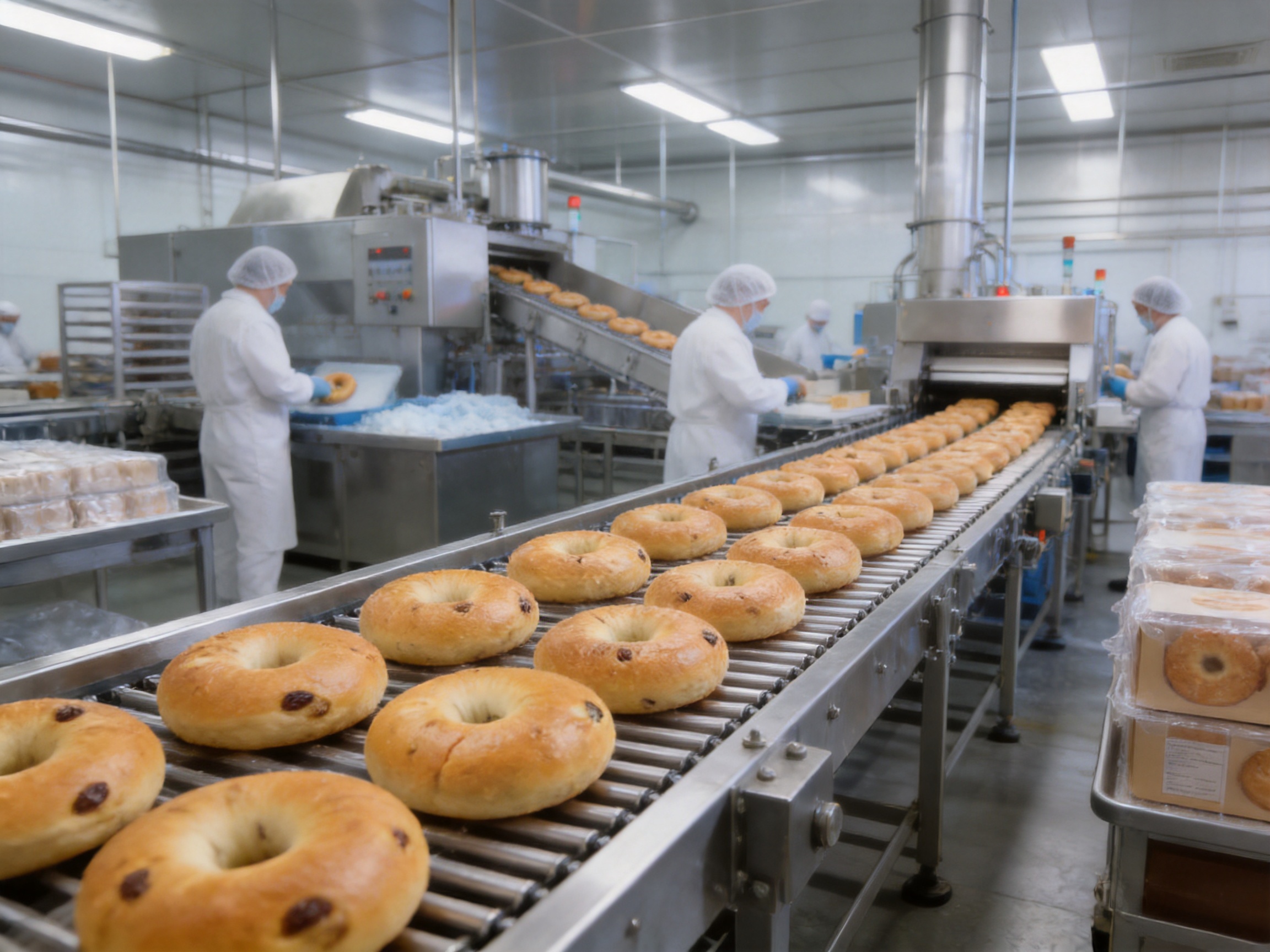
The Naturally Sweet Cinnamon Raisin Bagel is designed for consumers and commercial buyers who want the satisfying chew of a classic bagel together with a naturally sweet, fruit-forward flavor. Weighing 128 grams, it offers a substantial eating experience without becoming overly heavy, making it suitable for breakfast, a quick snack, café service, retail freezer programs, and creative sandwich applications.
Its flavor profile is built around three complementary elements: malted grain warmth, caramelized raisin character, and the gentle aromatic impression associated with cinnamon raisin bakery products. Instead of relying on an aggressively sugary taste, the product emphasizes restrained sweetness. The result is a bagel that feels familiar, comforting, and versatile enough to pair with both sweet and savory ingredients.
For foodservice operators, retailers, café chains, tea brands, and bakery businesses, product consistency is as important as flavor. The bagel must deliver a reliable portion, stable structure, convenient preparation, and repeatable performance across different serving occasions. This product is supported by the manufacturing strengths of Jiangsu Goobagel Food Technology Co., Ltd., a frozen bakery producer with experience in research, development, production, and distribution.
By combining a recognizable flavor, a satisfying texture, and the operational advantages of frozen bakery production, the Naturally Sweet Cinnamon Raisin Bagel provides a practical alternative to ordinary sweet rolls, basic breakfast breads, and highly sugary flavored bagels.
A Flavor Concept Built Around Natural Sweetness
The defining characteristic of this bagel is its balanced approach to sweetness. Many sweet bakery products lead with sugar, creating an immediate and sometimes overwhelming flavor. This bagel takes a more layered approach. Its first impression is a gentle malted grain aroma, followed by the richer fruit fragrance of oven-baked Xinjiang raisins. The sweetness develops progressively rather than arriving as a single sharp note.
This progression gives the bagel a more mature bakery character. The grain contributes warmth and depth, while the raisins add a naturally fruity dimension. As the product is chewed, the flavor becomes fuller and more rounded. The raisin component contributes a subtly toasted, caramel-like finish, helping the product remain interesting from the first bite to the last.
The restrained sweetness is particularly valuable in modern breakfast and snack markets. Consumers increasingly look for products that feel indulgent but not excessively sweet. A bagel offers a naturally substantial base, and the raisin flavor creates sweetness through fruit character rather than depending entirely on a dessert-style profile.
The product can therefore serve several consumer preferences at once. It is familiar enough for shoppers seeking a traditional cinnamon raisin breakfast item, distinctive enough for customers who want a more aromatic bakery experience, and flexible enough for foodservice operators who want one product that can support several menu formats.
The use of Xinjiang raisins adds a recognizable regional ingredient story. When baked into the dough, the raisins provide a bold grape fragrance and a naturally concentrated fruit taste. Their contribution is not limited to sweetness. They also introduce small points of textural contrast within the dense, chewy bagel structure, creating a more engaging bite.
The Difference Between a Sweet Bagel and a Dessert Bread
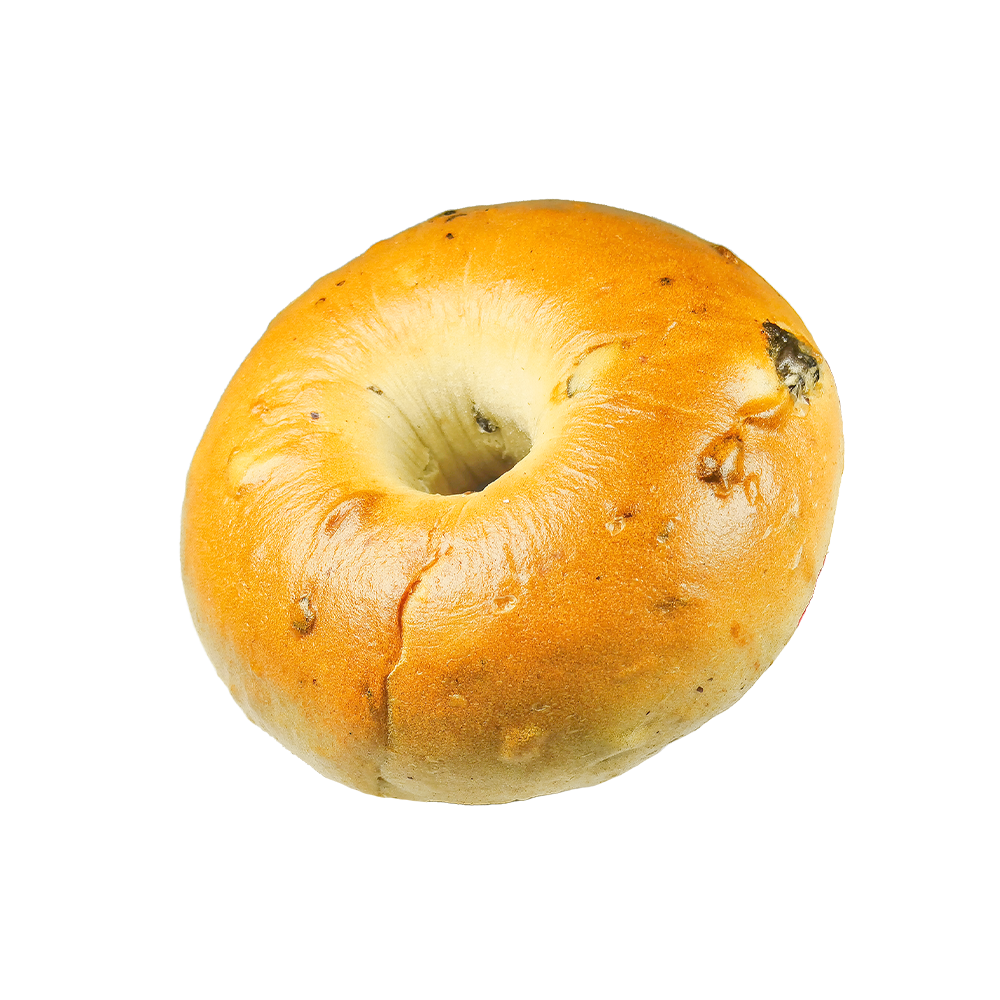
A key advantage of the Naturally Sweet Cinnamon Raisin Bagel is that it remains a bagel first. Its structure is dense and satisfying, rather than soft and cake-like. The outside is lightly browned, while the interior remains substantial and chewy. This creates a different eating experience from sweet buns, pastries, or ordinary raisin bread.
That distinction matters in a crowded bakery category. Consumers may enjoy sweet baked goods, but many occasions call for something more filling and practical. The bagel format offers portability, portion clarity, and compatibility with spreads and fillings. It can be eaten directly from the package, gently warmed, sliced and toasted, or used as the foundation for a composed meal.
Compared with a conventional sweet roll, the bagel generally offers a firmer bite and a more substantial grain impression. Compared with plain white bread, it delivers more flavor and a more distinctive texture. Compared with a dessert pastry, it can be positioned as a breakfast or snack item with everyday convenience.
This balance expands its commercial potential. A retailer can place it in a frozen breakfast section, a café can serve it as a warm breakfast base, and a bakery operator can use it in sandwich development. One product can support multiple menu occasions without requiring a completely different preparation system.
Texture: A Firm Exterior and Satisfying Interior
Texture is one of the most important quality indicators in a bagel. A product may have a pleasant flavor, but if it is dry, weak, overly soft, or inconsistent, customers are unlikely to purchase it again. The Naturally Sweet Cinnamon Raisin Bagel is designed around the classic contrast of a lightly browned exterior and a dense interior.
The outer surface provides a gentle resistance when bitten. This surface character gives the bagel a traditional bakery identity and helps distinguish it from soft sandwich bread. Inside, the dough remains chewy and satisfying without becoming excessively dry. The structure allows the product to hold spreads, fillings, and sandwich ingredients while remaining comfortable to eat.
Chew also influences flavor release. A product that is consumed too quickly may provide only a brief impression, while a denser bagel allows the grain, raisin, and cinnamon-associated aromas to develop as the customer eats. The malted sweetness becomes more noticeable during chewing, and the raisin notes contribute a lingering caramel finish.
For commercial users, a stable texture is also important during preparation. The bagel should remain useful after thawing, warming, or toasting. Its structure needs enough strength for slicing and sandwich assembly, but it should not become unpleasantly hard when heated. This balance supports café and foodservice workflows where the product may be prepared using different equipment and service methods.
Naturally Sweet Cinnamon Raisin Bagel
How the Product Compares with Common Competitor Formats
The Naturally Sweet Cinnamon Raisin Bagel competes not only with other bagels but also with a broad selection of breakfast breads and sweet bakery products. Its advantages become clearer when viewed according to flavor, texture, convenience, and application flexibility.
| Comparison Area | Naturally Sweet Cinnamon Raisin Bagel | Typical Sweet Roll | Plain Bagel | Standard Raisin Bread |
|---|---|---|---|---|
| Flavor direction | Layered malt, fruit, and caramelized raisin character | Often sugar-forward and dessert-like | Neutral grain profile | Fruit-forward but usually less chewy |
| Texture | Lightly browned exterior with a dense, chewy center | Soft and fluffy | Chewy but without fruit contrast | Soft or tender crumb |
| Serving flexibility | Suitable for direct eating, warming, toasting, spreads, and sandwiches | Primarily a sweet snack or breakfast item | Highly versatile but less distinctive in flavor | Good for toast and sandwiches, but less substantial |
| Sweetness perception | Restrained sweetness supported by baked fruit notes | Often more immediately sugary | Usually low sweetness | Moderate sweetness |
| Commercial positioning | Breakfast, snack, café, retail, and creative sandwich applications | Bakery snack or indulgent breakfast | General breakfast and sandwich base | Household bread and toast |
Compared with a plain bagel, this product offers more immediate sensory interest. The raisin and cinnamon-associated profile gives it a clear identity, which can help retailers create a more differentiated assortment. It may also appeal to customers who find plain bagels too neutral but do not want a heavily iced or dessert-style product.
Compared with a typical sweet roll, it offers a more structured eating experience and greater application flexibility. The bagel can support savory fillings such as ham, cheese, or egg, creating a sweet-and-salty contrast that would not always work as naturally with a strongly sugary pastry.
Compared with ordinary raisin bread, the product provides a denser, more filling format. It is suitable for slicing and toasting, but its bagel structure gives it stronger portion identity and a more distinctive chew. These characteristics can help foodservice operators create menu items that look and feel more substantial.
These comparisons are not intended to suggest that one bakery category replaces every other category. Instead, they demonstrate how the product can occupy a valuable middle position: more flavorful than a plain bagel, more practical than a dessert pastry, and more textured than conventional raisin bread.
Breakfast Convenience Without Flavor Compromise
Modern consumers often need breakfast products that are quick, portable, and satisfying. The Naturally Sweet Cinnamon Raisin Bagel is designed for this type of routine. It can be enjoyed directly from the bag when convenience is the priority. It can also be warmed slightly to increase aroma and soften the eating experience.
For home consumers, preparation can be simple. The product may be served whole, sliced, gently heated, or toasted according to preference. Butter emphasizes the malted grain notes. Cream cheese adds richness and creates a familiar bagel pairing. Nut butter brings roasted flavor and additional satiety. These options allow one product to serve different household preferences.
The bagel is equally suited to professional preparation. Cafés can offer it as a warm breakfast item with a simple spread. Hotels and catering businesses can include it in breakfast buffets. Convenience stores can sell it as a ready-to-heat product. Bakery operators can turn it into a signature menu item with seasonal or regional toppings.
Its 128-gram portion provides a clear basis for menu planning and inventory control. Portion consistency helps operators estimate ingredient usage, define selling prices, and maintain a predictable customer experience. For large-scale retail and foodservice programs, these operational details can be as important as the product’s flavor profile.
Sweet-and-Savory Sandwich Potential
One of the product’s most distinctive commercial advantages is its ability to move beyond traditional sweet applications. The raisin flavor does not need to limit the bagel to butter, cream cheese, or sweet spreads. Its restrained sweetness can work with savory ingredients, creating contrast and complexity.
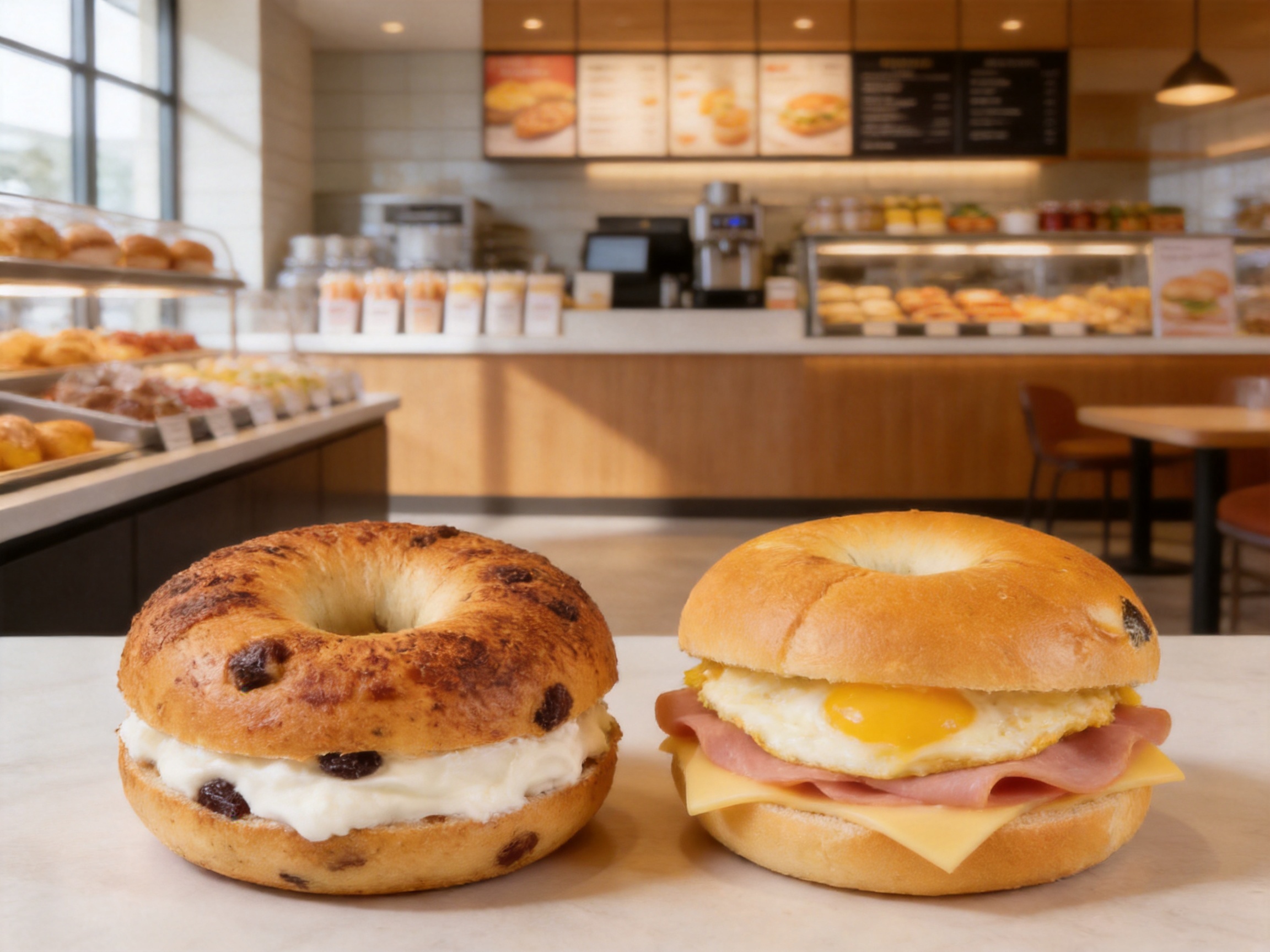
Ham and cheese are natural examples. The salty, savory character of cured meat and cheese is balanced by the fruity raisin notes. Egg fillings can provide a warm and familiar breakfast profile, while the bagel contributes sweetness and chew. These combinations can be served as breakfast sandwiches, café specials, or convenient grab-and-go meals.
Operators may also experiment with turkey, soft cheeses, nut-based spreads, roasted vegetables, or mild smoked proteins. The most successful combinations are likely to be those that allow the raisin and grain flavors to remain present without being overwhelmed by highly spiced sauces or very strong fillings.
This versatility creates menu development opportunities. A café can offer the bagel with cream cheese in the morning, then use the same product in a ham-and-cheese sandwich during the lunch period. A retailer can package it as a breakfast item while promoting recipe ideas for home use. A bakery chain can create limited-time combinations without changing the basic product platform.

Frozen Bakery Production as a Commercial Advantage
The product is supported by a frozen bakery manufacturing model, which provides important benefits for distribution and commercial use. Frozen bakery products can help extend planning flexibility, support centralized production, and make it easier for customers to prepare products according to demand.
For retailers, frozen supply can simplify inventory management. Products can be distributed to different locations and prepared according to local sales patterns. This may reduce the pressure to sell every item immediately after baking and can support more consistent availability across stores.
For foodservice operators, frozen bagels can offer a dependable foundation for daily service. Businesses can prepare only the quantity they need, helping them manage fluctuations between busy and quiet periods. The product can also support menu consistency across multiple branches when each location follows the same preparation instructions.
Frozen production is especially valuable for private-label and wholesale programs. A manufacturer can coordinate production runs, packaging formats, and distribution requirements for different customers. This creates a more scalable supply model than relying exclusively on small-batch, location-based production.
The value of frozen bakery production depends on product quality. Freezing must preserve the bagel’s structure, flavor, and preparation performance. A product that loses its chew, develops excessive dryness, or becomes difficult to warm would not deliver the expected commercial benefits. For this reason, product development and process control are essential parts of the manufacturing system.
Integrated Manufacturing and Product Development
Jiangsu Goobagel Food Technology Co., Ltd. has specialized in bagel research and manufacturing since 2019. Its operation is described as a fully integrated supply chain covering raw materials, research and development, production, and nationwide distribution.
This integrated structure is important because bagel quality is influenced by decisions made at every stage. Ingredient selection affects flavor and dough behavior. Research and development determine product formulas and application performance. Production controls influence texture and consistency. Distribution affects availability and delivery reliability. When these functions work together, a manufacturer can respond more effectively to customer requirements.
The company has developed more than 100 clean-label bagel varieties for retail, foodservice, café chains, tea brands, and bakery operators. This product development experience provides a broad foundation for customized projects. Customers may require different sizes, flavor directions, packaging styles, preparation formats, or private-label specifications. A manufacturer with an established product library can often move more efficiently from concept to commercial evaluation.
Research and development also support ongoing product improvement. A bagel may need to perform differently depending on whether it is sold in a supermarket, served in a café, included in a hotel breakfast, or used in a prepared sandwich. Understanding these different environments helps manufacturers refine texture, flavor intensity, portion size, and preparation recommendations.
The Naturally Sweet Cinnamon Raisin Bagel reflects this application-oriented approach. It is not presented merely as a flavored bread. It is designed as a commercial product with multiple uses, a clear portion, a recognizable sensory profile, and compatibility with frozen bakery distribution.
Raw Materials, Formula Control, and Sensory Balance
Ingredient quality and formula control are fundamental to the product’s performance. The bagel’s flavor depends on the relationship between the grain base, malted warmth, cinnamon-associated aroma, and raisins. If one element becomes too dominant, the product may lose balance.
The grain foundation needs enough character to support the fruit. A weak base can make the raisins seem disconnected, while an excessively strong grain flavor can suppress the fruit aroma. The goal is a warm, rounded profile in which the components develop in sequence.
Raisins also require careful handling. Their size, moisture, sweetness, and distribution affect both sensory quality and dough structure. Even distribution helps ensure that customers encounter fruit character throughout the bagel rather than finding all the raisins in isolated sections. Proper processing also helps the raisins develop the desired baked and caramelized notes.
Formula control is equally important for texture. The dough must produce a firm but pleasant exterior, a dense interior, and enough elasticity to withstand slicing and filling. It must also remain compatible with freezing, storage, thawing, and reheating procedures.
For commercial buyers, this level of control can offer an advantage over products developed only for immediate local sale. A frozen product must be engineered for a longer chain of handling. It needs to arrive in a condition that allows the customer to achieve a consistent final result with practical preparation steps.
Clean-Label Product Development
Goobagel Food describes its product portfolio as containing more than 100 clean-label bagel varieties. In the current bakery market, clean-label positioning can help brands communicate simplicity and transparency, although exact ingredient and labeling requirements depend on the target market and customer specification.
For buyers, clean-label development may be relevant when building products for consumers who read ingredient lists carefully or prefer recognizable food formulations. It can also support retail positioning in categories where shoppers compare bakery products according to perceived quality, processing, and ingredient familiarity.
The Naturally Sweet Cinnamon Raisin Bagel benefits from a flavor story that is easy to understand. Customers can recognize the main sensory elements: grain, cinnamon-associated warmth, raisins, and baked sweetness. This straightforward profile can be communicated effectively on packaging, menus, product pages, and promotional materials.
For private-label customers, the manufacturer can use its product development experience to adapt the presentation while maintaining the core sensory concept. Packaging language, serving suggestions, portion formats, and market positioning may be adjusted according to the buyer’s brand identity and sales channel.
Reliability for Retail and Foodservice Buyers
A successful bakery product must perform beyond the tasting sample. Buyers need confidence in supply, production capacity, quality consistency, and communication. Goobagel Food’s integrated operation is intended to support these requirements through coordinated research, manufacturing, and distribution capabilities.
For retail customers, reliability may involve regular availability, suitable packaging, stable product specifications, and the ability to support promotional periods. A product that sells well but cannot be replenished consistently can create customer dissatisfaction and lost sales. A structured supply chain helps reduce this risk.
For foodservice customers, reliability includes portion uniformity and predictable preparation performance. A café chain may need the same product to taste and feel similar across many stores. A hotel group may require stable breakfast quality throughout the year. A bakery operator may need a dependable base for sandwiches and specialty menu items.
National distribution capability can also help customers expand beyond one local market. When a product is available through a broader supply network, brands may have more flexibility to test it in several regions or include it in multi-location programs.
The company’s experience working with leading brands across China further indicates familiarity with commercial collaboration. Such partnerships typically require attention to specifications, timelines, product development feedback, and quality expectations. These capabilities are relevant for customers seeking an OEM or private-label bagel supplier.
OEM and Private-Label Opportunities
The product can serve as a ready-made flavor solution, but it may also act as a starting point for customized development. OEM and private-label customers often need products that fit a particular consumer group, package size, sales channel, or brand concept.
A retailer may want a private-label cinnamon raisin bagel positioned as a premium breakfast product. A café chain may need a version optimized for sandwich assembly. A tea brand may require a smaller portion for pairing with beverages. A foodservice distributor may prefer packaging that supports bulk handling and back-of-house preparation.
Customization can involve product size, flavor strength, raisin distribution, packaging configuration, labeling, or recommended preparation method. The central product idea remains useful because it already combines a familiar flavor with broad serving flexibility.
Working with an experienced manufacturer can simplify the development process. The manufacturer can evaluate the feasibility of a proposed formula, consider production requirements, test texture and flavor, and coordinate the transition from samples to larger production. This is particularly valuable for brands that have marketing expertise but do not operate their own bakery facilities.
Private-label development also allows companies to build a differentiated assortment. Instead of competing only on price with a generic plain bagel, a brand can offer a more distinctive flavor and a clearer eating occasion. The restrained sweetness and sweet-savory flexibility give the product room for multiple positioning strategies.
Packaging, Merchandising, and Consumer Communication
The product’s packaging should communicate its strongest benefits quickly. A clear product name, an appetizing image, the 128-gram portion, and simple serving suggestions can help shoppers understand what makes it different.
Merchandising can emphasize the product’s three main occasions: everyday breakfast, convenient snack, and versatile sandwich base. In a retail freezer, it may be displayed with other breakfast breads or grouped with flavored bagels. In a café, it can be listed under breakfast sandwiches, warm bakery items, or grab-and-go choices.
Serving suggestions can make the product more approachable. Butter, cream cheese, nut butter, ham, cheese, and egg are all easy-to-understand pairings. These suggestions communicate that the bagel is not restricted to one specific preparation method.
For online product pages, sensory language should remain specific and credible. Descriptions can highlight the gentle malted aroma, the fragrance of baked raisins, the lightly browned exterior, the dense chewy center, and the gradual caramel-like finish. Clear language helps distinguish the product from generic claims such as “delicious” or “premium” without explanation.
Retailers and foodservice operators may also use the product’s frozen format as part of the convenience message. Customers can understand that the bagel is suitable for planned breakfast preparation, flexible inventory management, and quick service when warmed or toasted.
Preparation and Pairing Guidance
The simplest serving method is to enjoy the bagel directly from the package when the product is ready for consumption according to the applicable preparation instructions. Gentle warming can increase the aroma of the grain and raisins, making the eating experience more expressive.
Toasting can create additional surface contrast. The outside becomes warmer and potentially more aromatic, while the inside retains the bagel’s substantial structure. Toasting is especially suitable when the product will be served with butter, cream cheese, or nut butter.
For sweet applications, dairy-based spreads can add creaminess and soften the fruit profile. Nut butters contribute roasted notes that complement the raisin character. The product may also be served with yogurt, fruit, or breakfast beverages as part of a broader meal.
For savory applications, operators should select fillings that balance rather than overpower the bagel. Mild cheeses, ham, egg, turkey, and lightly seasoned vegetables can work well. A modest amount of sauce may help bind the sandwich without covering the product’s natural flavor.
Preparation instructions for commercial use should always be validated by the buyer according to equipment, storage conditions, local regulations, and final serving requirements. Different ovens, toasters, holding systems, and service times can affect the finished product.
Quality and Consistency Across Applications
Consistency is a major advantage when a bagel is used across multiple commercial settings. Customers expect the same product identity whether they purchase it from a retail freezer, a café counter, a hotel breakfast buffet, or a prepared food display.
The product’s defined weight, flavor profile, and structural characteristics provide a useful foundation for this consistency. A 128-gram bagel gives operators a clear portion reference. The lightly browned exterior and dense interior establish a recognizable quality standard. The restrained sweetness creates a profile that can be maintained across direct-eating and sandwich applications.
Manufacturing consistency also supports brand building. If one batch tastes noticeably different from another, consumers may lose confidence. Stable production helps retailers and foodservice businesses create repeat purchasing behavior, which is especially important for products positioned as everyday breakfast choices.
Goobagel Food’s focus on research, manufacturing, and distribution allows quality considerations to be addressed as part of a connected system. This integrated approach is more suitable for scalable commercial supply than an informal production model that may vary significantly between batches.
Sustainability of the Product Concept
The product’s versatility can support efficient menu planning because one item can serve multiple purposes. A café does not necessarily need a separate sweet bread, flavored bagel, and sandwich base when one product can cover several of those occasions. Retailers can also use it to add variety without creating an excessively complicated assortment.
Frozen distribution may help businesses plan production and inventory more deliberately. Preparing products according to actual demand can support operational efficiency and reduce the pressure associated with selling all baked goods within a narrow freshness window.
Any sustainability claims related to packaging, energy, transportation, food waste, or ingredient sourcing should be evaluated according to the specific supply chain and market requirements. However, the product’s long shelf-management flexibility and broad application range provide practical benefits for businesses seeking more controlled bakery operations.
Why This Product Is Suitable for International Buyers
International buyers often look for bakery products that combine familiar flavor recognition with reliable commercial performance. Cinnamon raisin is widely understood as a breakfast and bakery flavor, while the bagel format is increasingly used in cafés, hotel foodservice, retail, and convenience channels.
The product’s flavor is approachable, yet its layered malt and caramelized raisin notes provide more character than a basic sweet bread. Its chew gives it a clear bagel identity, while its sweet-savory flexibility makes it adaptable to local menu development.
For importers and distributors, the manufacturer’s experience in frozen bakery production and nationwide distribution provides a relevant foundation for larger supply programs. Buyers can evaluate the product according to their own market standards, including labeling, packaging, storage, preparation, and regulatory requirements.
The company’s OEM and private-label capabilities may also help international customers create products tailored to specific retail or foodservice concepts. A buyer does not need to treat the bagel as a fixed item only; it can be considered a platform for a broader product development project.
Frequently Asked Questions
What is the product’s net weight?
The Naturally Sweet Cinnamon Raisin Bagel has a listed weight of 128 grams per bagel.
What does the bagel taste like?
It has a gentle malted grain aroma, a naturally fruity raisin character, and a subtle caramel-like finish. Its sweetness is designed to be restrained rather than intensely sugary, allowing the grain and baked fruit notes to remain noticeable.
Does the product have a chewy texture?
Yes. The product is designed with a lightly browned exterior and a dense, satisfying interior that delivers the traditional chew associated with bagels.
Is it suitable for breakfast?
Yes. It can be enjoyed directly, gently warmed, or toasted. It pairs with butter, cream cheese, nut butter, and other breakfast ingredients.
Can it be used in savory sandwiches?
Yes. Its restrained sweetness works with ham, cheese, egg, turkey, and other mild savory fillings. This creates a sweet-and-salty contrast that can support café and foodservice menu development.
What makes it different from a plain bagel?
It provides a more distinctive flavor through the combination of grain, cinnamon-associated warmth, and baked raisins. It retains the substantial texture of a bagel while offering additional fruit and caramelized notes.
What makes it different from a sweet roll?
It has a denser, chewier structure and is less dessert-like in its sweetness. It can be used for both sweet and savory applications, while many sweet rolls are primarily consumed as snacks or indulgent breakfast items.
Is the product suitable for foodservice?
Yes. Its defined portion, versatile format, and frozen bakery supply model make it suitable for cafés, hotels, restaurants, catering operations, convenience stores, and other foodservice environments, subject to the buyer’s preparation and storage requirements.
Can the product be used for private-label programs?
Yes. Jiangsu Goobagel Food Technology Co., Ltd. offers OEM and private-label bagel capabilities. Buyers can discuss product specifications, packaging, labeling, portion formats, and other commercial requirements.
How many bagel varieties has the company developed?
The company states that it has developed more than 100 clean-label bagel varieties for retail, foodservice, café chains, tea brands, and bakery operators.
When did the company begin specializing in bagel research and manufacturing?
The company has specialized in bagel research and manufacturing since 2019.
What type of supply chain does the manufacturer operate?
The company describes its operation as a fully integrated supply chain covering raw materials, research and development, production, and nationwide distribution.
Can the product be customized for different markets?
Customization may be possible depending on the project. Buyers can discuss flavor direction, product size, packaging configuration, labeling, serving format, and other requirements with the manufacturer.
What should buyers confirm before placing an order?
Buyers should confirm product specifications, ingredient and allergen information, packaging, minimum order quantities, storage conditions, shelf-life requirements, shipping arrangements, preparation instructions, labeling compliance, and market-specific documentation.
Conclusion
The Naturally Sweet Cinnamon Raisin Bagel combines a familiar flavor concept with a more balanced and commercially flexible eating experience. Its malted grain warmth, oven-baked raisin fragrance, restrained sweetness, and caramel-like finish create a profile that is comforting without becoming overly sugary.
Its texture further strengthens the product’s position. A lightly browned exterior and dense, chewy interior distinguish it from soft sweet rolls and ordinary raisin bread. The bagel remains substantial enough for breakfast and sandwich use while still offering the convenience expected from a modern frozen bakery product.
For consumers, it provides an easy everyday breakfast or snack with multiple pairing options. For retailers, it offers a distinctive flavored bagel that can be positioned across breakfast and bakery categories. For cafés and foodservice operators, it provides a flexible base for both sweet and savory menu items. For private-label customers, it represents a ready-made product concept supported by research, manufacturing, and distribution capabilities.
Jiangsu Goobagel Food Technology Co., Ltd. strengthens the offering through its experience in bagel development, clean-label product creation, integrated supply chain management, and commercial collaboration. With more than 100 bagel varieties and a manufacturing focus established since 2019, the company is positioned to support customers seeking stable quality, product variety, and scalable frozen bakery supply.
As a result, the Naturally Sweet Cinnamon Raisin Bagel is more than a flavored breakfast bread. It is a versatile product platform that connects consumer appeal with practical commercial performance, making it suitable for retail, foodservice, café, bakery, and private-label applications.
References
1. Jiangsu Goobagel Food Technology Co., Ltd. Product information for the Naturally Sweet Cinnamon Raisin Bagel, including product weight, flavor profile, texture, and serving applications.
2. Jiangsu Goobagel Food Technology Co., Ltd. Corporate information concerning bagel research, manufacturing, clean-label product development, OEM services, private-label production, and distribution capabilities.
3. General principles of bakery product development, including dough formulation, texture evaluation, flavor balance, ingredient distribution, and frozen bakery handling.
4. General foodservice planning principles concerning portion control, menu versatility, frozen inventory management, and preparation consistency.
5. General consumer bakery trends concerning convenient breakfast products, restrained sweetness, recognizable ingredients, and sweet-savory flavor combinations.
