
 中文简体
中文简体
 English






postmaster@goobagelfood.com
Content
- 1 A Bagel Built Around Contrast and Balance
- 2 Why the Product Stands Out in a Competitive Market
- 3 The Sensory Experience in Detail
- 4 Manufacturing Strengths Behind the Product
- 5 Operational Benefits for Commercial Buyers
- 6 Applications Across Different Sales Channels
- 7 OEM and Private-Label Potential
- 8 Quality, Reliability, and Commercial Confidence
- 9 Positioning the Product for Consumers
- 10 Recommended Serving Concepts
- 11 Q&A
- 11.1 What is the Golden and Crispy Potato Bacon Bagel?
- 11.2 What does the product taste like?
- 11.3 Is the product suitable for breakfast?
- 11.4 Can the product be used for lunch or afternoon snacks?
- 11.5 Why is mozzarella important to the product?
- 11.6 What role does the potato mash play?
- 11.7 What is the commercial advantage of the frozen format?
- 11.8 Who can purchase or use this product?
- 11.9 Can the product be used for OEM or private-label projects?
- 11.10 What makes the manufacturer suitable for commercial cooperation?
- 11.11 How can buyers evaluate the product for their market?
- 11.12 How should the product be promoted?
- 12 Conclusion
- 13 References
- 14 Product: Golden And Crispy Potato Bacon Bagel
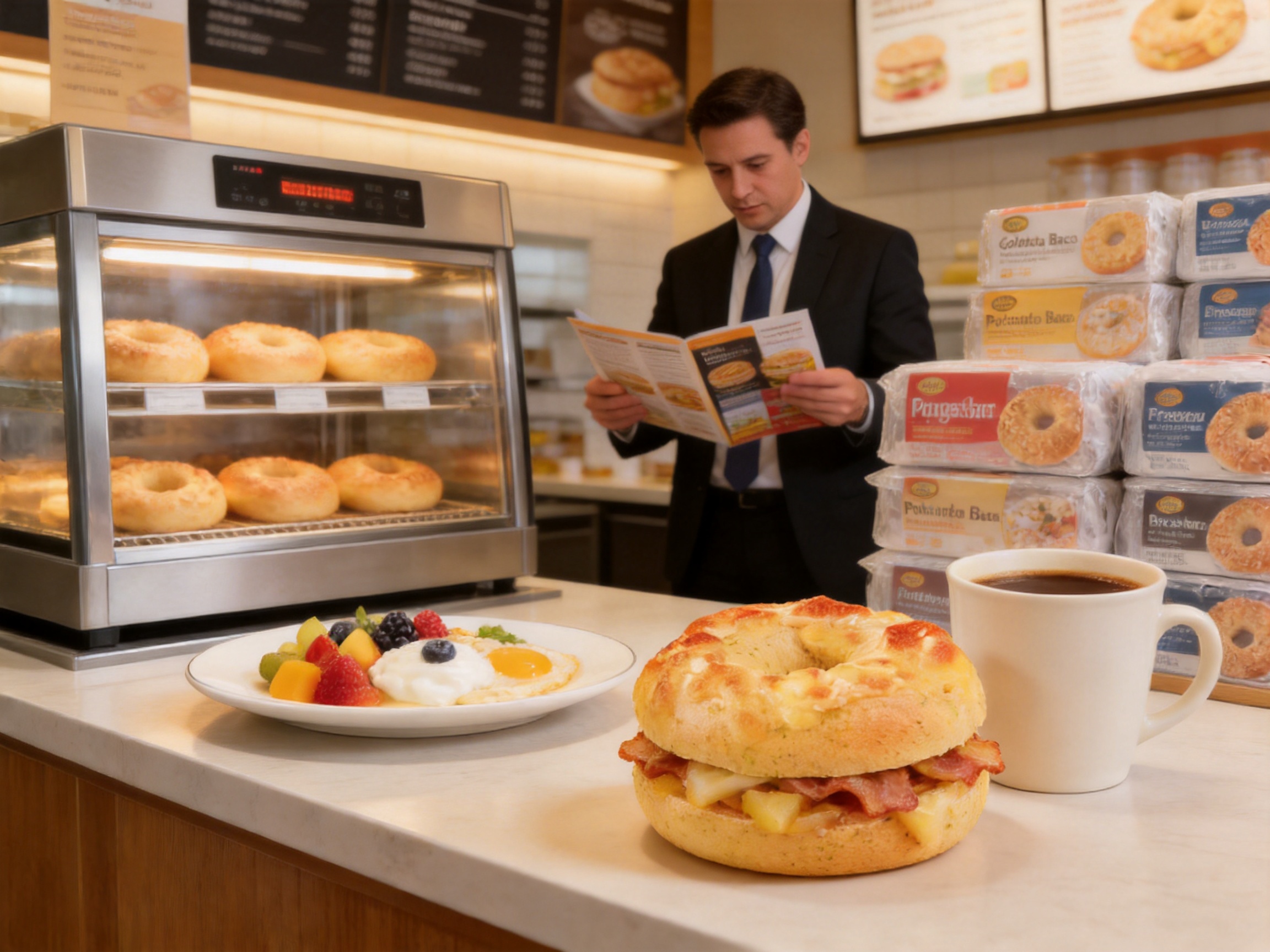
The Golden and Crispy Potato Bacon Bagel is designed for customers who want more than a plain bakery staple. It combines a golden-baked bagel exterior, imported mozzarella, fluffy potato mash, and savory bacon in one convenient 78-gram product. The result is a layered eating experience that moves from toasted grain and lightly charred cheese to creamy potato and a smoky bacon finish.
As consumers increasingly look for convenient foods that still feel substantial and indulgent, filled bagels have become an attractive option for breakfast, brunch, light meals, afternoon snacks, and on-the-go dining. This product answers that demand with a combination of recognizable ingredients, strong visual appeal, reliable portion control, and a preparation format suitable for retail and foodservice applications.
More importantly, the product is supported by the capabilities of Jiangsu Goobagel Food Technology Co., Ltd., a modern frozen bakery producer specializing in bagel research and manufacturing. Since 2019, the company has developed a broad portfolio of bagel products and built an integrated supply chain covering raw materials, research and development, production, and distribution.
For buyers, distributors, café chains, bakery operators, private-label customers, and foodservice companies, the Golden and Crispy Potato Bacon Bagel offers a practical balance between premium flavor, operational convenience, and commercial versatility.
A Bagel Built Around Contrast and Balance
The main strength of this product is its contrast. A successful filled bagel should not taste like a single blended filling. It should offer clear layers that customers can identify and enjoy. The Golden and Crispy Potato Bacon Bagel is structured around three primary sensations: a toasted and crisp exterior, a soft potato-centered filling, and a savory bacon finish.
The bagel base contributes the familiar chew associated with a well-made bagel. Its browned surface gives the product a baked appearance, while the interior provides a satisfying texture that helps the product feel more substantial than an ordinary snack. This combination makes the bagel suitable for customers who want a quick meal that does not seem insubstantial or overly processed.
Above or around the filling, mozzarella adds richness and visual appeal. During heating, the cheese can melt into a soft, stretchy layer. The golden surface and melted cheese create an appetizing presentation that is especially valuable in cafés, convenience stores, bakeries, and foodservice counters where customers often make purchase decisions visually.
Potato mash brings a smooth and comforting middle note. Potato is familiar to consumers in many markets, and its mild flavor works naturally with both bread and meat. Its gentle sweetness can soften the saltiness of the bacon, while its creamy texture contrasts with the chew of the bagel and the crispness created during baking or reheating.
Bacon completes the flavor structure with a savory, smoky, and salty accent. Rather than making the product one-dimensionally rich, the bacon gives the filling a stronger finish. This is important because the last impression often influences whether a customer considers a product satisfying and memorable.
The product therefore follows a clear sensory progression: toasted grain and browned cheese at the beginning, creamy potato in the middle, and a lingering bacon note at the end. This sequence gives the bagel an advantage over simpler products that rely on only one dominant texture or flavor.
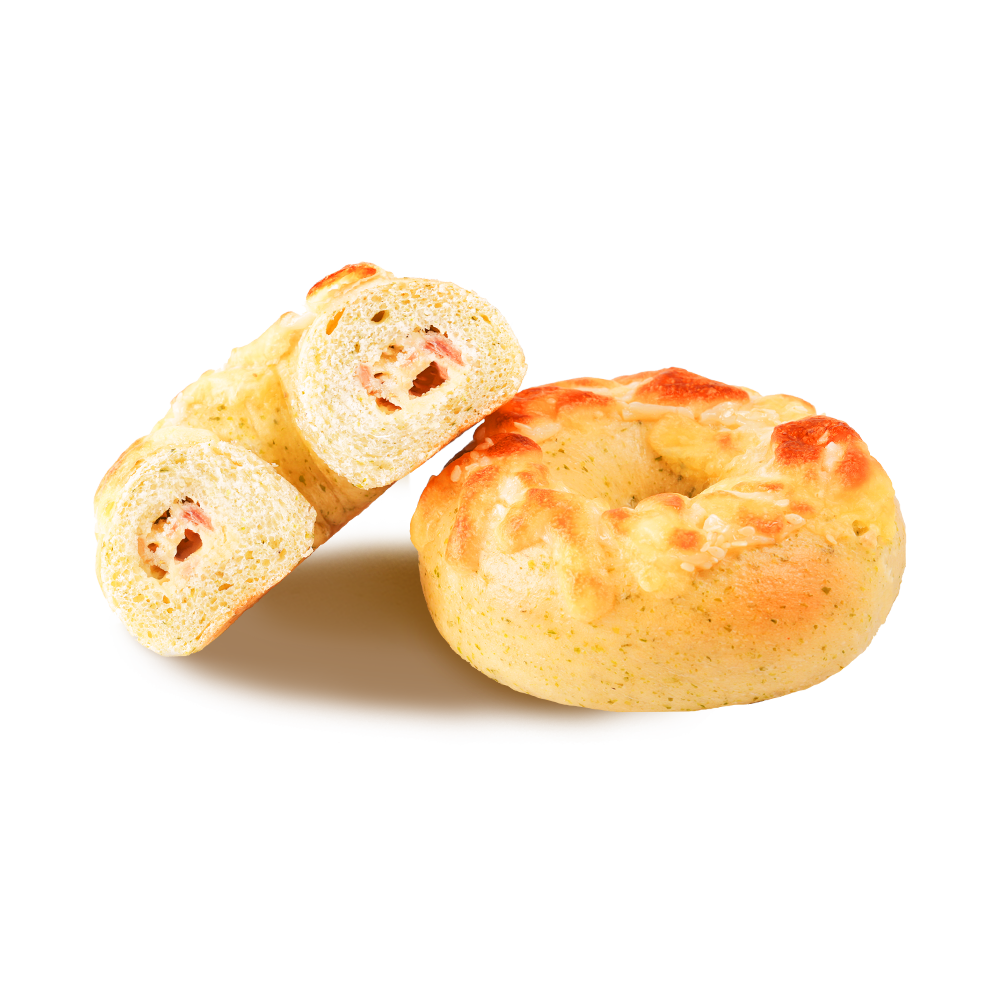
Golden And Crispy Potato Bacon Bagel
Why the Product Stands Out in a Competitive Market
The frozen bakery market includes plain bagels, sweet bagels, filled pastries, sandwiches, breakfast rolls, and other convenient bakery products. Competing successfully requires more than offering a familiar shape. A product must provide a reason for customers to choose it repeatedly and a reason for business buyers to keep it in their assortment.
The Golden and Crispy Potato Bacon Bagel stands out through its combination of recognizable ingredients and premium sensory cues. Mozzarella, potato, and bacon are widely understood by consumers and do not require complicated menu explanations. At the same time, their combination creates a more differentiated proposition than a standard plain bagel or a simple meat-filled roll.
One competitive advantage is the product’s broad daypart suitability. A sweet breakfast item may be less appropriate for lunch, while a heavy sandwich may not suit an afternoon snack. This bagel can be positioned as a breakfast product, a brunch item, a light meal, a snack, or a café accompaniment. Its flavor profile is familiar enough for everyday consumption but distinctive enough to support premium presentation.
Another advantage is its strong reheating potential. Frozen bakery products are often selected because they help operators reduce preparation complexity while maintaining a consistent customer experience. A product that can be heated efficiently and served with minimal additional assembly can help cafés, convenience stores, bakeries, hotels, and catering operations simplify their workflows.
Portion control is also important. With a listed weight of 78 grams, the product provides a defined unit for inventory planning, costing, menu development, and packaging. Businesses can build meal combinations around a consistent product size and make more predictable purchasing decisions.
The product also has strong cross-channel potential. It can be sold as an individual packaged item, included in a breakfast combo, displayed in a heated cabinet, served with coffee, or used as a base for a more elaborate menu offering. This flexibility can help buyers adapt the product to different sales environments without changing the core formula.
| Product Feature | Customer Benefit | Commercial Advantage |
|---|---|---|
| Golden-baked bagel exterior | Provides an appetizing appearance and toasted flavor | Supports attractive display and premium positioning |
| Imported mozzarella | Creates creamy richness and a stretchy cheese effect | Improves visual appeal and supports higher-value menu concepts |
| Fluffy potato mash | Adds softness, familiarity, and gentle sweetness | Helps balance savory ingredients and broaden consumer appeal |
| Savory bacon | Delivers smoky aroma and a satisfying finish | Strengthens flavor identity and supports breakfast or snack use |
| 78-gram format | Offers a practical single-serving portion | Facilitates inventory control, costing, and menu planning |
| Frozen bakery format | Allows convenient storage and preparation | Reduces the need for extensive in-store production |
The Sensory Experience in Detail
Golden-Baked Exterior
The first impression begins with the surface. A golden-baked exterior suggests warmth, freshness, and careful preparation. In a retail or foodservice setting, surface color can strongly influence customer expectations before the product is even tasted. A well-browned bagel communicates that the item has been baked rather than merely assembled.
The exterior also provides a textural counterpoint to the filling. Customers expect a bagel to have some chew, and that characteristic helps distinguish it from soft bread products. When reheated correctly, the outer layer can develop a pleasant crispness while retaining enough interior softness to avoid a dry or brittle eating experience.
For operators, this surface quality can support several presentation styles. The bagel may be served whole, cut in half to reveal the mozzarella and filling, or placed in a display where the browned top contributes to visual variety. The product can therefore work in both self-service and assisted-service environments.
Imported Mozzarella
Mozzarella contributes more than dairy flavor. It provides creaminess, meltability, and visual movement. When the cheese softens during heating, it can create a stretchy pull that gives the product a memorable serving moment. This feature is particularly valuable for cafés and foodservice businesses that use product photography, open-kitchen preparation, or social media promotion.
The lightly browned edge of melted mozzarella can add aromatic complexity. Toasted dairy notes pair naturally with the browned grain of the bagel, creating an inviting aroma when the product is heated. The cheese also helps connect the potato and bacon components, making the filling feel integrated rather than separated into unrelated ingredients.
Compared with a product that uses only a meat filling, the mozzarella version offers greater richness and a more indulgent mouthfeel. Compared with a cheese-only bagel, it provides a stronger savory identity through the potato and bacon. This balance gives the product a broader appeal across different consumer preferences.
Fluffy Potato Mash
Potato mash is the soft, comforting center of the product. Its smooth texture can make the bagel feel more generous and satisfying, especially when paired with the firm chew of the bread. Potato is also a highly approachable ingredient. Consumers recognize its flavor immediately, and it can make a filled bakery item seem familiar even when the overall combination is new.
The potato component helps manage the intensity of the other ingredients. Bacon may be salty and smoky, while mozzarella can be rich and creamy. Potato creates a mild foundation that allows those flavors to remain noticeable without overwhelming the palate. Its natural mildness also supports repeated consumption, which is important for a product intended for regular retail or foodservice sales.
Texture is equally important. A coarse or dry filling could make the bagel difficult to eat, but a fluffy mash gives the interior a smoother consistency. It can spread naturally through the bite, allowing the consumer to experience potato, cheese, and bacon together.
Savory Bacon Finish
Bacon supplies the strongest flavor signal in the filling. Its salty, smoky character creates appetite appeal and gives the product a clear identity. The bacon note arrives after the softer potato and mozzarella sensations, helping the bagel finish with energy rather than fading into blandness.
For breakfast and brunch menus, bacon is a familiar and commercially effective ingredient. It can also help operators communicate the product quickly. A menu description such as “potato, bacon, and mozzarella bagel” immediately tells customers what type of experience to expect.
The bacon component is especially useful for balancing the product’s dairy and starch elements. Without a savory accent, potato and cheese could make the bagel seem overly soft or mild. Bacon provides contrast, helping the product deliver a more complete flavor profile.
Manufacturing Strengths Behind the Product
A compelling recipe must be supported by dependable manufacturing. In commercial food markets, buyers need more than an attractive concept. They need consistency, stable quality, reliable supply, and the ability to develop products that perform across different sales channels.
Jiangsu Goobagel Food Technology Co., Ltd. has specialized in bagel research and manufacturing since 2019. The company operates as a modern frozen bakery producer with an integrated supply chain that covers raw materials, research and development, production, and nationwide distribution.
This integrated structure can help reduce the gaps that sometimes occur between product design and industrial production. When research, ingredients, manufacturing, and distribution are managed within a connected system, product teams can more effectively evaluate texture, filling ratios, production efficiency, storage behavior, and customer requirements.
For a filled bagel, process control is particularly important. The manufacturer must manage the relationship between the dough, filling, cheese, and heating performance. The exterior must remain structurally sound, while the interior needs to retain its intended texture. Ingredient distribution must also be controlled so that customers receive a consistent experience from one unit to the next.
Frozen production adds another layer of technical responsibility. Products must be designed to maintain their quality during freezing, storage, transport, and final preparation. This requires attention to formulation, packaging, temperature management, and handling procedures. The goal is to ensure that the product remains commercially practical from factory to customer.
Integrated Raw Material Management
Raw materials influence flavor, texture, production stability, and cost. An integrated supply chain gives the manufacturer a stronger foundation for managing these factors. Ingredient selection can be evaluated not only for taste but also for consistency, availability, processing performance, and compatibility with frozen storage.
For the Golden and Crispy Potato Bacon Bagel, each component has a defined role. The bagel dough must provide an appropriate chew. The mozzarella must deliver the desired richness and melt. The potato must remain smooth and pleasant. The bacon must provide a recognizable savory note. Coordination among these components is necessary to maintain the intended three-stage experience.
Research and Development Capability
Goobagel Food has developed more than 100 clean-label bagel varieties for retail, foodservice, café chains, tea brands, and bakery operators. This product development experience supports a broader understanding of consumer preferences and commercial requirements.
Product development in the bagel category involves more than creating different flavors. It includes decisions about portion size, filling structure, texture, reheating, packaging, storage, production efficiency, and menu positioning. A manufacturer with a broad product portfolio can draw on experience across these areas when creating or refining a new product.
The company’s research-oriented approach also supports OEM and private-label cooperation. Different customers may require adjustments in flavor intensity, packaging format, labeling, portion size, or channel positioning. A structured development process helps transform a general concept into a commercially usable product.
Production Consistency
Consistency is one of the most important advantages a professional manufacturer can offer. Retailers and foodservice operators need products that perform reliably during every service period. Inconsistent size, filling distribution, browning, or texture can create customer complaints and increase waste.
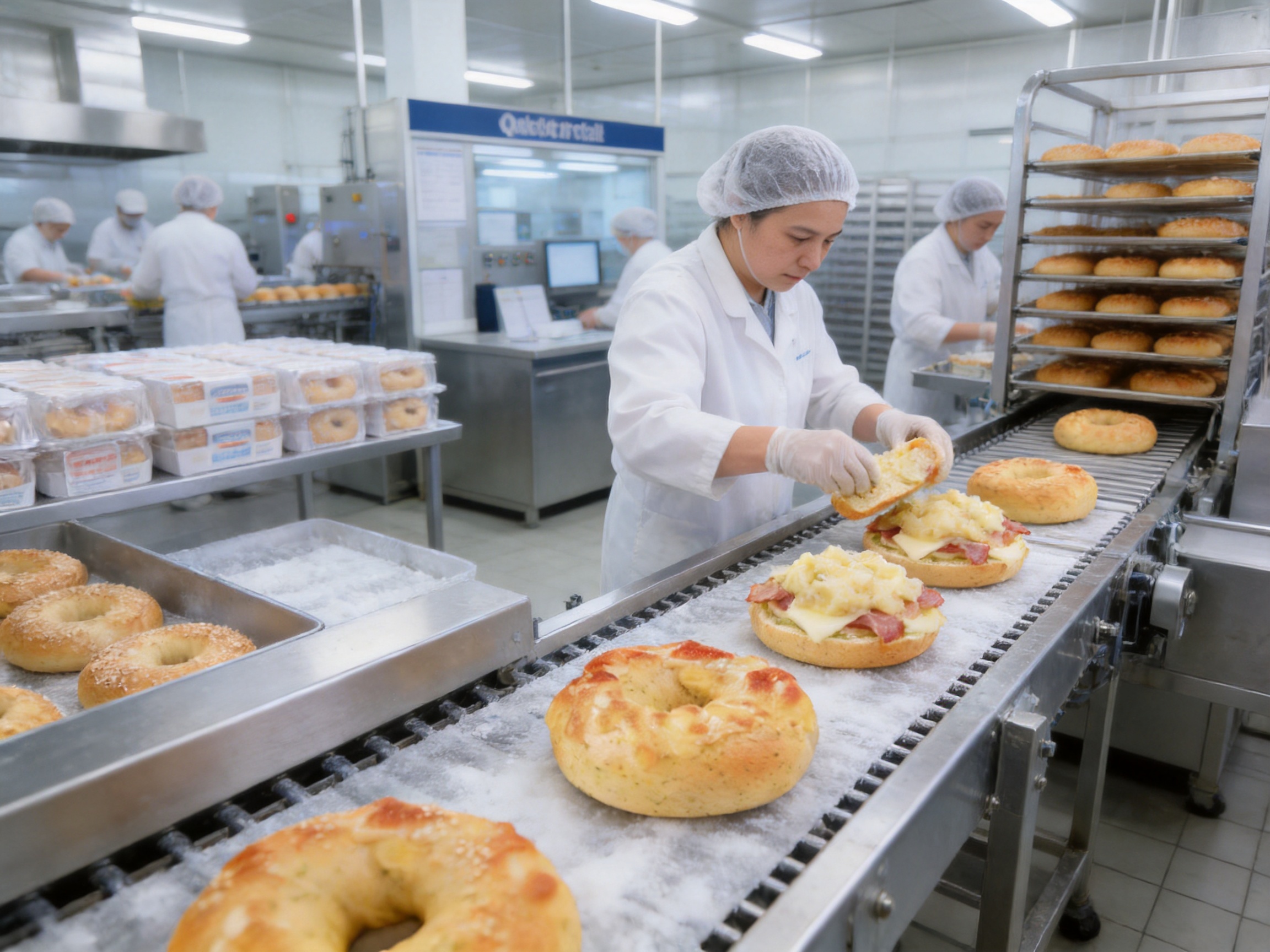
Industrial manufacturing systems are designed to standardize key stages of production. Dough preparation, shaping, filling, baking, cooling, freezing, and packing must be coordinated to protect the product’s quality. Standardization does not eliminate the need for expertise; rather, it allows expertise to be applied repeatedly and systematically.
For buyers, consistent production can simplify staff training. Employees do not need to learn a complex scratch recipe or manage several separate ingredients. Instead, they can follow an established preparation process for a defined product. This is particularly valuable for multi-location café chains and operators with changing staff levels.
Frozen Distribution Capability
A frozen format can extend distribution possibilities and improve operational planning. Businesses can store products according to demand, prepare units as needed, and reduce dependence on daily scratch production. This can be especially helpful for locations with limited kitchen space or variable customer traffic.
Goobagel Food’s supply chain includes nationwide distribution capabilities, supporting the movement of frozen bakery products across commercial markets. A reliable distribution structure helps connect manufacturing capacity with the needs of retail, foodservice, cafés, and bakery operators.
Frozen distribution also supports menu consistency across locations. A chain can introduce the same bagel in multiple stores and establish a recognizable customer experience. This consistency can strengthen product identity and make promotional campaigns easier to manage.
Operational Benefits for Commercial Buyers
The Golden and Crispy Potato Bacon Bagel is not only a consumer product; it is also a practical operating solution. Businesses often choose frozen bakery products because they help manage labor, equipment, space, and inventory.
Reduced Preparation Complexity
Producing a comparable filled bagel from individual ingredients would require purchasing dough or flour, preparing potato mash, handling bacon and cheese, assembling each unit, and controlling baking results. This may be realistic for a full bakery, but it can be difficult for a small café, convenience store, hotel, or foodservice counter.
A prepared frozen bagel simplifies the process. Staff can focus on storage, heating, presentation, and service rather than performing every production step on-site. This reduces preparation complexity and helps businesses offer a filled bakery item without investing in a large kitchen operation.
Labor Efficiency
Labor availability and labor cost are important concerns in modern foodservice. A product that requires fewer preparation steps can help staff serve customers more quickly and consistently. It may also reduce the amount of specialized training required for new employees.
The bagel can be incorporated into standard operating procedures for breakfast service, café counters, vending, convenience retail, and catering. A clear preparation method makes it easier to establish repeatable service routines.
Inventory Management
The 78-gram format provides a defined unit for purchasing and stock control. Operators can estimate daily usage, create reorder points, plan promotional bundles, and calculate food costs with greater precision. A frozen product can also help reduce the pressure to sell all units on the same day.
Because the product contains a complete combination of bread, cheese, potato, and bacon, operators do not necessarily need to maintain separate inventories for every ingredient used in the finished item. This may reduce ingredient handling and simplify storage planning.
Menu Flexibility
The bagel can be served in several ways. It may be sold independently as a snack or breakfast item. It can be paired with coffee, tea, juice, fruit, yogurt, or soup. It can also be included in a meal bundle or presented as a premium heated bakery item.
Its savory profile allows it to fit menus that already include sandwiches, wraps, pastries, or breakfast rolls. The bagel can create variety without requiring a completely new category or a complicated serving method.
Applications Across Different Sales Channels
Retail and Convenience Stores
Convenience stores need products that are easy to merchandise, simple to heat, and familiar to a wide range of customers. The golden surface, melted cheese, and savory filling create strong visual and aromatic cues for heated displays.
The bagel can be positioned near coffee, breakfast foods, or prepared snacks. Its portable shape also supports on-the-go consumption. Retailers may offer it individually or as part of a breakfast promotion.
Café Chains
Cafés can use the product to expand beyond sweet pastries and beverages. The mozzarella, potato, and bacon profile pairs naturally with coffee and can help create a more substantial breakfast or lunch option.
For multi-location café chains, standardized frozen products can help maintain the same menu item across different stores. This supports brand consistency while reducing the need for each location to produce the item independently.
Hotels and Catering
Hotels often need convenient breakfast items that can be served efficiently to many guests. A savory filled bagel can complement eggs, fruit, beverages, and other breakfast selections. It can be served individually, arranged in a buffet, or included in a takeaway breakfast box.
Catering businesses may also appreciate the product’s portion control and easy preparation. The bagel can be included in corporate breakfast packages, training events, meetings, and informal gatherings.
Bakery Operators
Independent bakeries and bakery cafés can use the product as a reliable savory offering. It can supplement fresh bread and pastry production during periods when in-house capacity is limited. Operators may also use it to test demand for a potato, bacon, and cheese flavor before developing a fully scratch-made version.
Tea and Beverage Brands
Tea brands and beverage-focused stores increasingly add food items to increase average transaction value. The bagel offers a savory choice that can balance sweet drinks and dessert-style snacks. It may appeal to customers who want a quick food item without ordering a full meal.
OEM and Private-Label Potential
The product concept is well suited to OEM and private-label cooperation. Retailers, café groups, distributors, and food brands may want a bagel that reflects their own market positioning. A manufacturer with product development and production capabilities can help turn that positioning into a finished frozen bakery product.
Private-label customers may require customized packaging, product naming, portion formats, case quantities, or channel-specific instructions. They may also seek recipe adjustments, such as different cheese intensity, filling balance, or flavor emphasis. The development process should begin with the customer’s target market, price range, consumption occasion, and preparation equipment.
Goobagel Food’s experience with more than 100 bagel varieties provides a broad foundation for this kind of cooperation. A large product portfolio demonstrates familiarity with different flavor structures and application requirements. It also gives customers more starting points when developing a new product range.
OEM cooperation can be valuable for companies that want to enter the frozen bagel category without building their own manufacturing facility. Instead of investing in dough systems, filling equipment, freezing capacity, quality management, and distribution infrastructure, they can work with an experienced producer.
Private-label development can also help established brands refresh their offering. A retailer might introduce a premium breakfast line, a café chain might create a branded savory bagel series, or a distributor might build a portfolio for multiple foodservice customers. In each case, the manufacturer’s role is to provide technical production support while the customer develops the market strategy.
Quality, Reliability, and Commercial Confidence
Food buyers generally evaluate a product through several connected questions. Does it taste good? Will customers understand it? Can staff prepare it consistently? Will supply remain stable? Can the product support a reasonable margin? The Golden and Crispy Potato Bacon Bagel addresses these questions through its recipe, format, and manufacturing foundation.
Its flavor is easy to communicate because the main ingredients are familiar. Its appearance supports impulse purchase. Its frozen format supports inventory flexibility. Its fixed weight helps with cost planning. Its broad usage occasions create opportunities for different sales strategies.
Reliable supply is particularly important for chains and distributors. A product may perform well in a pilot launch, but commercial success depends on maintaining availability after expansion. An integrated manufacturing and distribution system can help support continuity as demand grows.
Quality also includes the ability to maintain the same experience across preparation environments. A café may use a professional oven, while a convenience store may use another heating system. Product development must consider practical preparation conditions and provide clear handling guidance for commercial users.
Although final preparation can influence texture and appearance, a well-designed frozen product gives operators a strong starting point. The objective is to make it easier for different locations and staff members to produce a consistent result without extensive culinary training.
Positioning the Product for Consumers
Marketing should highlight the product’s layered experience rather than presenting it as merely another stuffed bread. Effective communication can focus on the golden-baked exterior, melted mozzarella, fluffy potato, and savory bacon.
Words such as “golden,” “crispy,” “creamy,” “stretchy,” and “savory” help consumers imagine the eating experience. A product description should make the sequence clear: crisp and toasted first, soft and creamy in the middle, and smoky and satisfying at the finish.
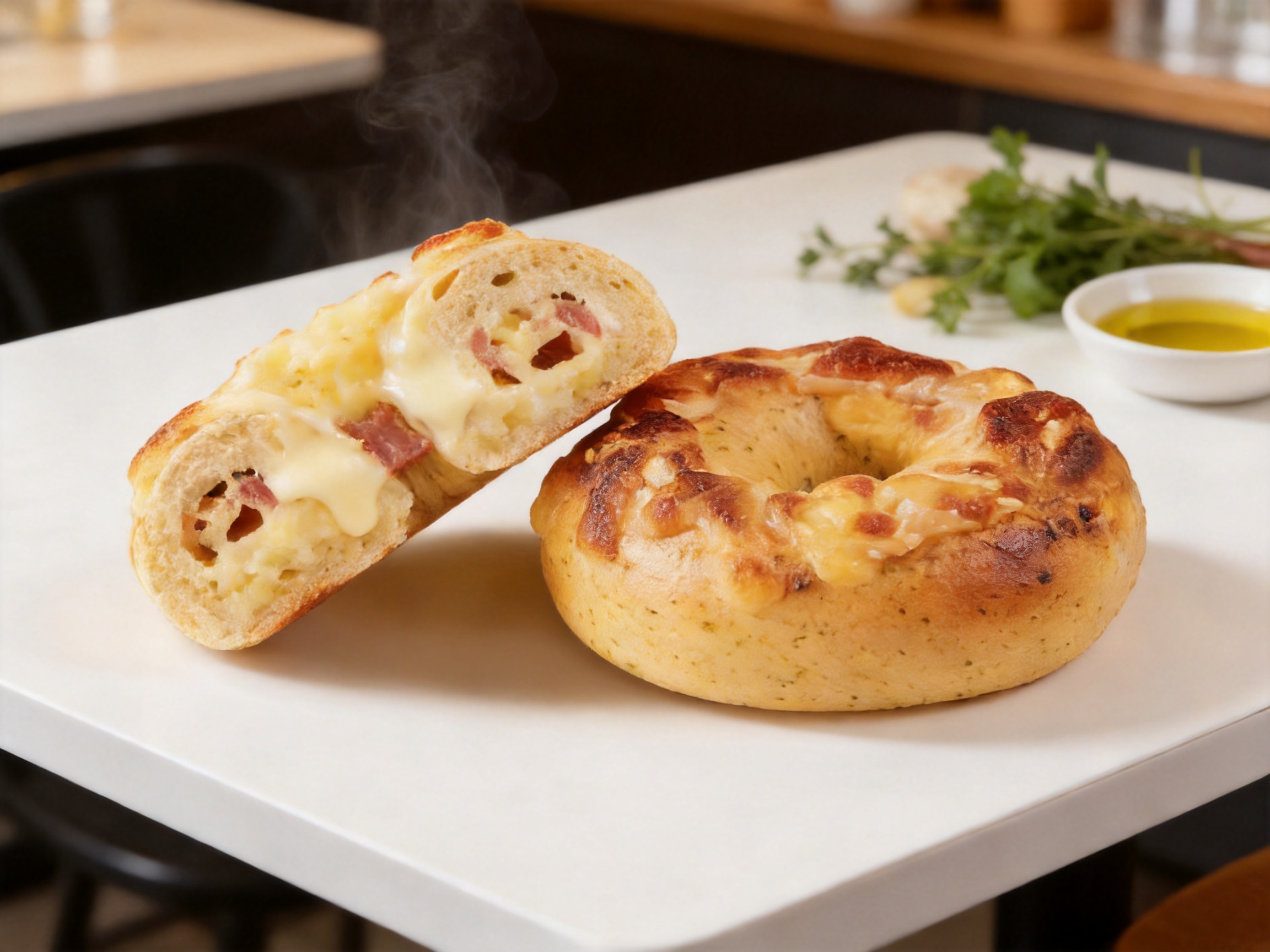
Visual merchandising can show the bagel whole and cut open. The whole product communicates convenience and portability, while the cross-section reveals the filling and supports appetite appeal. In a café or retail display, a heated sample or photographic menu board may help customers understand the product quickly.
The product can also be positioned according to occasion. For breakfast, the bacon and potato combination provides a familiar savory alternative to sweet pastries. For lunch, the bagel can serve as a light meal with a drink or side. For afternoon snacking, its compact format makes it easy to consume without a full dining occasion.
For distributors and wholesale buyers, the message should include operational value. The product is not simply a flavorful bagel; it is a frozen bakery solution that can help reduce preparation steps, standardize portions, and expand menu variety.
Recommended Serving Concepts
The simplest concept is a heated Golden and Crispy Potato Bacon Bagel served on its own. This format allows the customer to focus on the product’s cheese, potato, bacon, and bagel combination.
A breakfast set can pair the bagel with coffee, tea, fruit, or yogurt. The combination creates a complete and convenient morning offer without requiring extensive kitchen preparation.
A café lunch set can include the bagel with a salad, soup, or cold beverage. The savory filling provides enough flavor to serve as the central item while the side adds balance and variety.
A sharing or catering format can include sliced bagels arranged on a platter. Cutting the product can reveal the filling and make it easier for guests to sample. This approach may work well for meetings, events, and informal buffet service.
Retailers can also use promotional bundles, such as a bagel with a hot drink or a multi-unit frozen pack for home consumption. The product’s recognizable flavor profile makes it suitable for both immediate consumption and planned purchase.
Q&A
What is the Golden and Crispy Potato Bacon Bagel?
It is a 78-gram filled bagel featuring a golden-baked exterior, imported mozzarella, fluffy potato mash, and savory bacon. The product is designed to deliver contrasting textures and a layered savory flavor.
What does the product taste like?
The first impression combines toasted bagel flavor with browned, melted mozzarella. The middle of the bite is softer and creamier because of the potato mash. Bacon provides a salty, smoky finish that remains after the cheese and potato notes.
Is the product suitable for breakfast?
Yes. Bacon and potato are familiar breakfast ingredients, while the bagel format is convenient and portable. It can be served independently or paired with coffee, tea, fruit, yogurt, or another breakfast item.
Can the product be used for lunch or afternoon snacks?
Yes. Its savory and satisfying profile makes it appropriate for a light lunch, café meal, afternoon snack, or on-the-go food option. It can also be included in a meal bundle with a beverage or side dish.
Why is mozzarella important to the product?
Mozzarella adds creaminess, dairy richness, and meltability. When heated, it can produce a stretchy texture and a lightly browned cheese aroma that improves both visual appeal and sensory enjoyment.
What role does the potato mash play?
Potato mash provides a smooth, fluffy texture and a mild flavor. It balances the saltiness of the bacon and the richness of the cheese while making the filling feel soft and comforting.
What is the commercial advantage of the frozen format?
The frozen format can simplify storage, inventory management, preparation, and distribution. Operators can prepare units as needed instead of producing every item from raw ingredients each day.
Who can purchase or use this product?
The product can serve retailers, convenience stores, cafés, café chains, hotels, catering companies, bakery operators, tea brands, foodservice distributors, and private-label customers.
Can the product be used for OEM or private-label projects?
Yes. The manufacturer’s research and production capabilities support cooperation with customers seeking customized bagel solutions. Requirements may include packaging, portion size, flavor profile, case format, or channel-specific positioning.
What makes the manufacturer suitable for commercial cooperation?
Jiangsu Goobagel Food Technology Co., Ltd. has specialized in bagel research and manufacturing since 2019. Its integrated supply chain covers raw materials, research and development, production, and distribution. The company has developed more than 100 clean-label bagel varieties for multiple commercial channels.
How can buyers evaluate the product for their market?
Buyers should consider target consumers, sales occasions, preparation equipment, storage conditions, serving format, expected volume, packaging needs, and desired price positioning. A product trial can help evaluate reheating performance, appearance, texture, and customer response.
How should the product be promoted?
Promotion should emphasize the golden exterior, melted mozzarella, fluffy potato, and savory bacon. Messaging can focus on convenience, satisfying flavor, portability, and suitability for breakfast, light meals, and snacks.
Conclusion
The Golden and Crispy Potato Bacon Bagel brings together four highly effective product elements: a chewy and golden-baked bagel, rich mozzarella, smooth potato mash, and savory bacon. Its appeal comes from the way these components work in sequence rather than competing with one another. The exterior creates the first visual and textural impression, the cheese adds richness and stretch, the potato provides softness and balance, and the bacon delivers a memorable finish.
Compared with plain bagels, the product offers greater flavor interest and a more complete eating experience. Compared with simple filled bakery items, it provides stronger visual appeal and more clearly defined layers. Compared with products that require extensive in-store preparation, its frozen format can offer greater operational efficiency and consistency.
Its flexibility makes it suitable for retail, cafés, convenience stores, hotels, catering, bakeries, beverage brands, and private-label programs. The 78-gram format supports portion planning, while the familiar flavor combination makes the product easy to explain and market.
Behind the product is a manufacturer with experience in bagel research, product development, integrated supply chain management, frozen bakery production, and commercial distribution. Goobagel Food’s portfolio of more than 100 bagel varieties reflects a strong focus on innovation and application-based development.
For businesses seeking a premium savory bagel that combines convenience, consistency, and broad menu potential, the Golden and Crispy Potato Bacon Bagel offers a dependable platform for growth. It is a product designed not only to taste satisfying but also to work effectively within modern foodservice and retail operations.
References
1. Product information supplied for the Golden and Crispy Potato Bacon Bagel, including product weight, ingredients, category, and sensory description.
2. Company information supplied for Jiangsu Goobagel Food Technology Co., Ltd., including manufacturing history, product development capabilities, and integrated supply chain structure.
3. General principles of frozen bakery product development, including portion control, storage planning, reheating performance, and foodservice application.
4. General food marketing principles related to sensory appeal, menu positioning, convenience, retail merchandising, and private-label product development.
5. General commercial bakery operating practices concerning labor efficiency, inventory management, standardized preparation, and multi-channel distribution.
