
 中文简体
中文简体
 English

postmaster@goobagelfood.com
Content
- 1 A Distinctive Product Concept for the Contemporary Bagel Market
- 2 Premium Flour and Japanese-Style Milling
- 3 Natural Yeast Fermentation for a More Developed Dough Profile
- 4 A Double-Citrus Filling with Greater Flavor Dimension
- 5 Anchor Cream Cheese and Dairy Butter
- 6 Texture as a Competitive Differentiator
- 7 Designed for Frozen Bakery Convenience
- 8 Advanced Manufacturing Capabilities
- 9 Quality, Consistency, and Commercial Reliability
- 10 Advantages for OEM and Private-Label Customers
- 11 Applications Across Retail and Foodservice
- 12 How the Product Compares with Common Alternatives
- 13 Serving and Merchandising Ideas
- 14 Supply Chain Strength and Partnership Value
- 15 Product Development and Technical Validation
- 16 Product Specification Overview
- 17 Brand and Manufacturer Background
- 18 Frequently Asked Questions
- 18.1 What is the Kumquat Lemon Butter-Cream Cheese Bagel?
- 18.2 How much does one bagel weigh?
- 18.3 What makes the product different from a plain bagel with cream cheese?
- 18.4 Is the product sweet or sour?
- 18.5 What does natural yeast fermentation contribute?
- 18.6 What is Japanese-style milling?
- 18.7 Can the product be used in cafés?
- 18.8 Can retailers sell it as a private-label product?
- 18.9 What types of businesses may purchase this product?
- 18.10 How should the product be stored?
- 18.11 Does the product contain allergens?
- 18.12 Can the citrus ingredients be customized?
- 18.13 How does the product support labor efficiency?
- 18.14 What should buyers evaluate before placing an order?
- 19 Conclusion
- 20 References
- 21 Product: Kumquat Lemon Butter-Cream Cheese Bagel
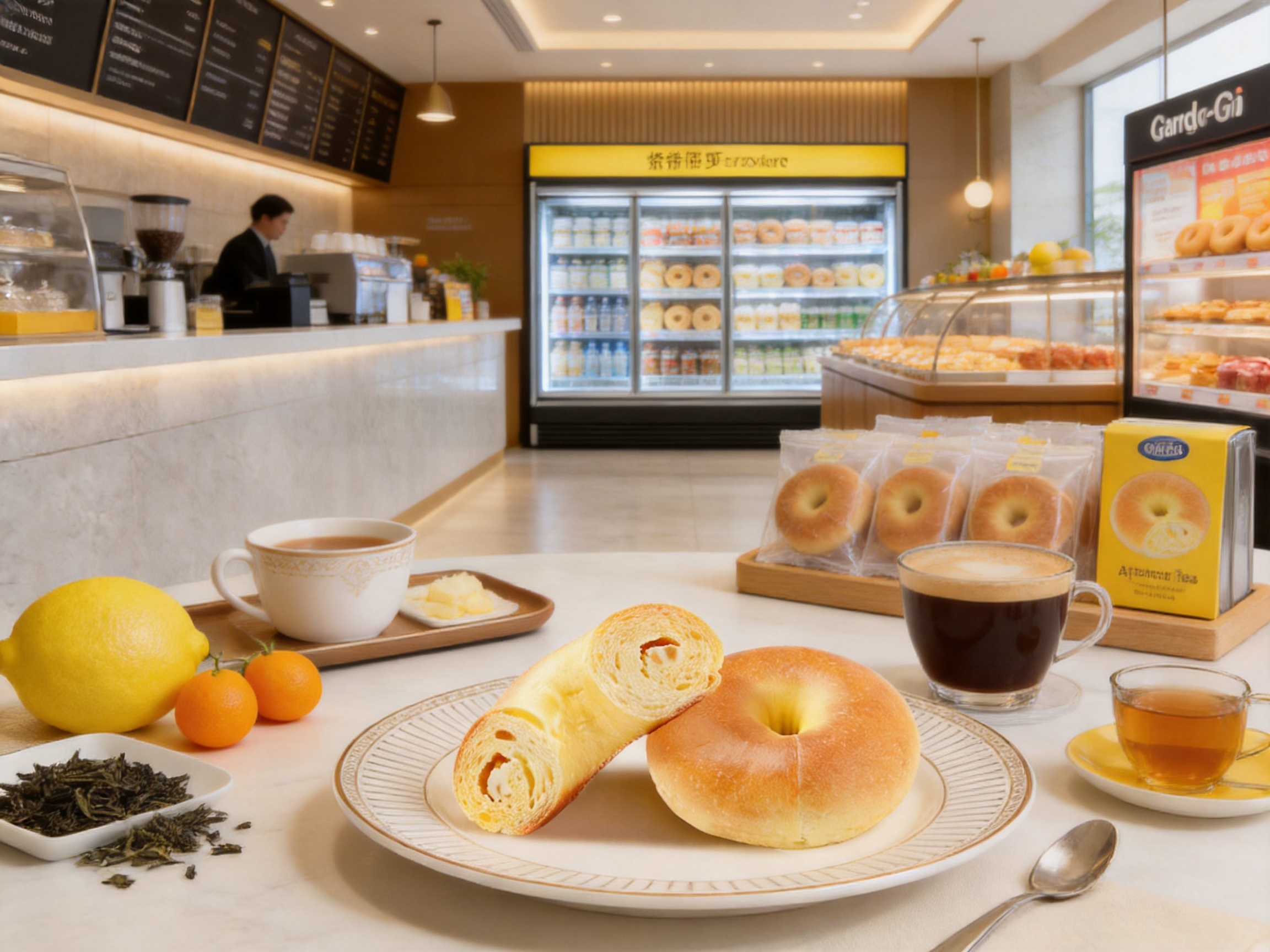
The modern bagel market is moving beyond plain, sesame, and traditional savory varieties. Consumers increasingly seek bakery products that combine familiar formats with distinctive flavors, premium ingredients, convenient preparation, and dependable quality. The Kumquat Lemon Butter-Cream Cheese Bagel responds directly to this demand by pairing a chewy, naturally fermented bagel foundation with a layered citrus filling and a rich dairy-based cream cheese blend.
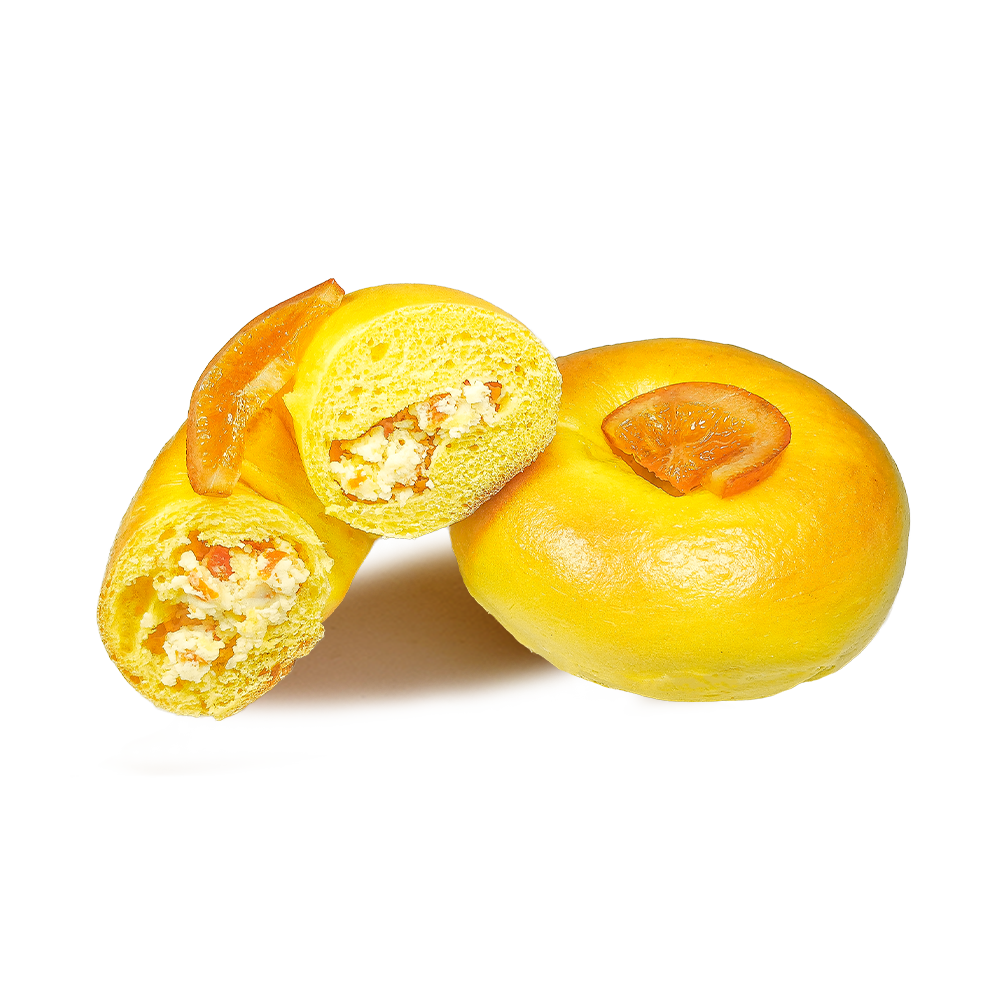
Designed for retail, foodservice, café chains, tea brands, bakeries, and private-label programs, this 78-gram product offers a balanced combination of freshness, convenience, and commercial practicality. Its flavor profile is bright and aromatic, while its texture provides the satisfying chew that consumers expect from a well-made bagel. At the center, citrus puree and diced lemon create a lively fruit layer, while cream cheese and dairy butter provide smoothness, richness, and a rounded finish.
The product is part of the Fruits Bagel category and can be positioned within classic bagel, stuffed bagel, or bagel sandwich assortments. It is suitable for breakfast menus, café counters, snack occasions, afternoon tea service, frozen bakery displays, and customized foodservice applications. More importantly, it demonstrates how advanced manufacturing, disciplined ingredient selection, and carefully controlled fermentation can transform a familiar bakery format into a differentiated commercial product.
A Distinctive Product Concept for the Contemporary Bagel Market
Many bagels compete primarily through shape, size, toppings, or basic flavor variations. A filled citrus bagel creates a more complete eating experience by combining the structural qualities of a traditional bagel with the indulgence of a dessert-style or specialty bakery filling. The Kumquat Lemon Butter-Cream Cheese Bagel is distinctive because its flavor is not based on sweetness alone. Instead, it is built around contrast: chewy and creamy, rich and refreshing, aromatic and slightly tangy.
The product’s citrus character is designed to feel bright rather than heavy. The puree supplies an immediate fruit-forward acidity, while diced lemon contributes texture and a subtle peel-like bitterness. These elements create more depth than a simple lemon-flavored cream filling. The butter and cream cheese components soften the sharper edges of the citrus, allowing the flavor to remain expressive without becoming aggressively sour.
This balance gives the product broad positioning potential. It can be marketed as a premium breakfast item, a modern café bakery choice, a frozen convenience product, or a creative addition to a tea-time menu. It may also appeal to consumers who prefer fruit-based flavors but want something more substantial than a pastry or sweet bun.
From a product-development perspective, the formula addresses several important consumer expectations at once. It offers a recognizable bagel format, a premium filling, a more sophisticated flavor combination, and a convenient frozen bakery solution. These characteristics can help foodservice operators create a signature menu item without needing to develop the dough, filling, fermentation, and production processes internally.
Premium Flour and Japanese-Style Milling
The quality of a filled bagel begins with its outer dough. Because the filling introduces moisture, fat, acidity, and softness, the bagel shell must be sufficiently resilient to maintain its structure during production, freezing, storage, thawing, heating, and consumption. A weak or overly soft dough may become compressed, split, or lose its characteristic bite. A dough that is too firm, on the other hand, may make the product feel dry or difficult to eat.
This product begins with carefully selected premium flour and a Japanese-style milling approach. Milling influences particle size, flour consistency, water absorption, dough development, and the final eating texture. A refined milling system can help create a more uniform flour base, enabling the production team to achieve greater consistency across batches.
The intended result is a fine-grained crumb with a clean wheat aroma. Rather than relying solely on sweetness or filling intensity, the dough contributes its own sensory value. The wheat character is designed to remain noticeable beneath the citrus and dairy components, creating a foundation that supports the filling rather than competing with it.
A fine-grained structure can also contribute to a more polished mouthfeel. When the dough is properly mixed, fermented, shaped, and baked, it can deliver a resilient chew that feels firm yet tender. This is particularly important for a filled bagel because the outer shell must provide contrast against the creamy interior. The consumer should experience a clear transition from the bagel’s elastic bite to the smooth filling.
Compared with ordinary mass-produced bread products, a well-developed bagel dough generally provides more structure and a longer-lasting chew. Compared with some dense or overly tough bagels, this formulation aims for a more balanced texture that remains enjoyable after reheating. This balance is a key advantage for wholesale and foodservice customers, where preparation conditions may vary from one location to another.
Natural Yeast Fermentation for a More Developed Dough Profile
Natural yeast fermentation is another important element of the product’s manufacturing concept. Fermentation is not simply a step used to make dough rise. It influences aroma, flavor development, dough strength, extensibility, and the final crumb structure. Carefully managed fermentation can help produce a more rounded wheat profile and a more satisfying bite.
Natural fermentation may also provide a subtle depth that is difficult to achieve through a rushed process. The objective is not to create an aggressively sour product. Instead, the fermentation is used to develop a cleaner, more mature bakery character that complements the citrus filling. The bagel should taste like a properly made bagel first, with the fruit and dairy filling adding a specialized layer of flavor.
Controlled fermentation is especially important in commercial frozen bakery manufacturing. Production teams must balance dough development with operational efficiency. Fermentation that is too short may create a tight, underdeveloped crumb and a less expressive aroma. Fermentation that is too long may create excessive acidity, uneven volume, or instability during processing. A disciplined process helps maintain repeatable results while preserving the desired sensory qualities.
For foodservice customers, consistency is as important as flavor. A café chain or retail customer needs the product to perform reliably in different locations, with predictable expansion, texture, color, and filling distribution after preparation. A stable fermentation system supports that requirement and helps reduce variation between production lots.
The combination of premium flour, Japanese-style milling, and natural yeast fermentation differentiates the bagel from products that depend mainly on flavoring or filling to create a premium impression. Here, the dough itself is treated as a key component of product quality. This gives the finished item a stronger foundation and helps ensure that the citrus filling is supported by a credible bakery structure.

Kumquat Lemon Butter-Cream Cheese Bagel
A Double-Citrus Filling with Greater Flavor Dimension
The signature character of this bagel comes from its citrus filling. The supplied product profile describes a combination of calamansi puree and diced lemon, while the product name emphasizes kumquat and lemon. For commercial packaging and market release, the final ingredient declaration and flavor terminology should be aligned with the approved formula and local labeling requirements. Regardless of the precise naming convention used for the citrus puree, the intended sensory direction is clear: a layered citrus profile combining bright acidity, fruit aroma, texture, and restrained bitterness.
A single citrus note can sometimes feel flat, particularly when used in a rich dairy filling. Combining a puree with diced fruit creates a more dynamic experience. The puree spreads through the filling and delivers an immediate, smooth citrus impression. The diced lemon introduces small textural accents and a more natural fruit sensation. It may also contribute a mild peel-like bitterness, helping prevent the product from tasting overly sweet.
Calamansi is known for its vivid, aromatic acidity and compact citrus character. Kumquat, meanwhile, is associated with a fragrant peel, gentle bitterness, and a more complex citrus impression. Lemon contributes familiar brightness and broad consumer recognition. A carefully balanced combination can therefore create a flavor that is recognizable but not ordinary.
The double-citrus concept is a significant advantage over simpler fruit-filled bakery products. Many competing products may use a single flavored cream or a sweet citrus jam. Such products can deliver an immediate flavor impact, but they may lack the textural and aromatic layering that makes a specialty item memorable. The use of puree and diced fruit helps create a more natural and premium eating experience.
The citrus is also intended to remain clean on the finish. Instead of leaving a heavy sugary coating, the acidity refreshes the palate after the richness of the cream cheese and butter. This makes the product particularly suitable for breakfast and afternoon consumption, when consumers may prefer a satisfying item that does not feel excessively dense.
Anchor Cream Cheese and Dairy Butter
The dairy component plays a central role in moderating the citrus. Anchor cream cheese provides a smooth, creamy base with a familiar tang and a substantial mouthfeel. Dairy butter adds aroma, richness, and a fuller finish. Together, these ingredients create a filling that feels indulgent while preserving the clarity of the fruit flavor.
Cream cheese is well suited to citrus applications because its mild tang naturally complements acidity. The filling does not need to rely on excessive sugar to achieve balance. Instead, the cream cheese helps provide body and a gentle dairy sharpness, while the butter contributes roundness and a warm dairy fragrance.
The use of dairy butter also helps distinguish the filling from formulations based primarily on vegetable fat or strongly sweetened shortening. While alternative fats can offer functional benefits, dairy butter can provide a more recognizable premium aroma. For consumers reading a menu or product description, the combination of cream cheese and butter communicates richness, comfort, and bakery craftsmanship.
The filling is designed to “elevate” the citrus without hiding it. This is a crucial formulation objective. If the dairy base is too dominant, the fruit may seem weak or artificial. If the citrus is too acidic, the filling may become sharp and unbalanced. A successful formula allows the two elements to remain identifiable: the consumer should taste the cream cheese and butter, followed by a bright citrus lift that keeps the finish clean.
This balance can provide an advantage over extremely sweet filled breads. Products with high sugar intensity may appeal to consumers seeking dessert-like indulgence, but they can become tiring after a few bites. The Kumquat Lemon Butter-Cream Cheese Bagel is positioned differently. It offers richness through dairy ingredients and flavor complexity rather than relying only on sweetness.
Texture as a Competitive Differentiator
Texture is one of the most important factors in bagel acceptance. Consumers generally expect a bagel to offer more resistance than an ordinary soft bread. That resistance should not be confused with hardness. The preferred experience is a pleasant chew that gives way gradually, followed by a tender interior and a smooth filling.
The product’s outer structure is described as firm yet tender, resilient without being dry or heavy. This texture profile is valuable for both direct consumers and commercial operators. Consumers receive a more authentic bagel experience, while operators gain a product that is less likely to collapse or lose its identity during reheating and service.
The contrast between the outer bagel and the inner filling is equally important. A filled product should not feel uniformly soft. The chewy shell provides structure, while the cream cheese and butter filling provides a creamy counterpoint. The citrus fruit elements then add small flavor and texture variations within the smooth filling.
Compared with ordinary sweet buns, the bagel offers a more substantial bite. Compared with dense, dry bakery products, the dairy filling introduces moisture and richness. Compared with plain bagels served with a separate spread, the filling is integrated into the product, allowing consistent portioning and faster service.
This integrated format can be particularly useful for cafés, convenience retailers, hotel breakfast programs, and catering businesses. Operators do not need to slice the bagel and apply a separate spread during service. The product is designed to deliver the filled experience in a standardized format, which can improve speed, portion control, and presentation consistency.
Designed for Frozen Bakery Convenience
As foodservice businesses face labor shortages, changing consumer schedules, and increasing pressure to control operating costs, frozen bakery products offer important practical benefits. A frozen filled bagel can help operators reduce preparation complexity while maintaining access to a specialty product.
The product is manufactured for commercial supply and can be incorporated into frozen bakery programs. Depending on the customer’s approved operating procedures, it may be thawed, reheated, baked, or finished using suitable foodservice equipment. The exact preparation method should be confirmed through technical documentation and customer trials, but the product concept is intended to support convenient and repeatable service.
Frozen distribution can extend the product’s commercial reach. Retailers and foodservice operators can hold inventory according to demand rather than producing every item from scratch. This may help reduce daily waste, simplify labor planning, and make seasonal or specialty flavors easier to introduce.
Convenience does not eliminate the need for quality. A frozen product must retain its sensory identity after storage and preparation. The dough structure, filling stability, sealing, freezing conditions, packaging, and reheating instructions all influence the final result. A professional frozen bakery manufacturer must therefore consider the entire product system rather than focusing only on the initial baking stage.
Goobagel Food’s integrated manufacturing model is relevant in this context. The company describes a supply chain covering raw materials, research and development, production, and nationwide distribution. Such integration can support better coordination between formula development, factory execution, quality control, and customer delivery.
Advanced Manufacturing Capabilities
Jiangsu Goobagel Food Technology Co., Ltd. has specialized in bagel research and manufacturing since 2019. As a modern frozen bakery producer, the company has developed capabilities intended to support commercial customers requiring dependable quality, product variety, and stable supply.
The company’s work spans research and development, ingredient sourcing, production, and distribution. This integrated approach is especially valuable for OEM and private-label customers. Instead of purchasing a generic product from a limited catalog, customers may work with a manufacturer that understands formula development, processing requirements, packaging considerations, and market positioning.
Goobagel Food reports that it has developed more than 100 clean-label bagel varieties. A broad product-development portfolio can provide several advantages. It indicates experience with multiple dough systems, fillings, toppings, flavor categories, and customer requirements. It also allows buyers to compare product concepts and select items that match their target market.
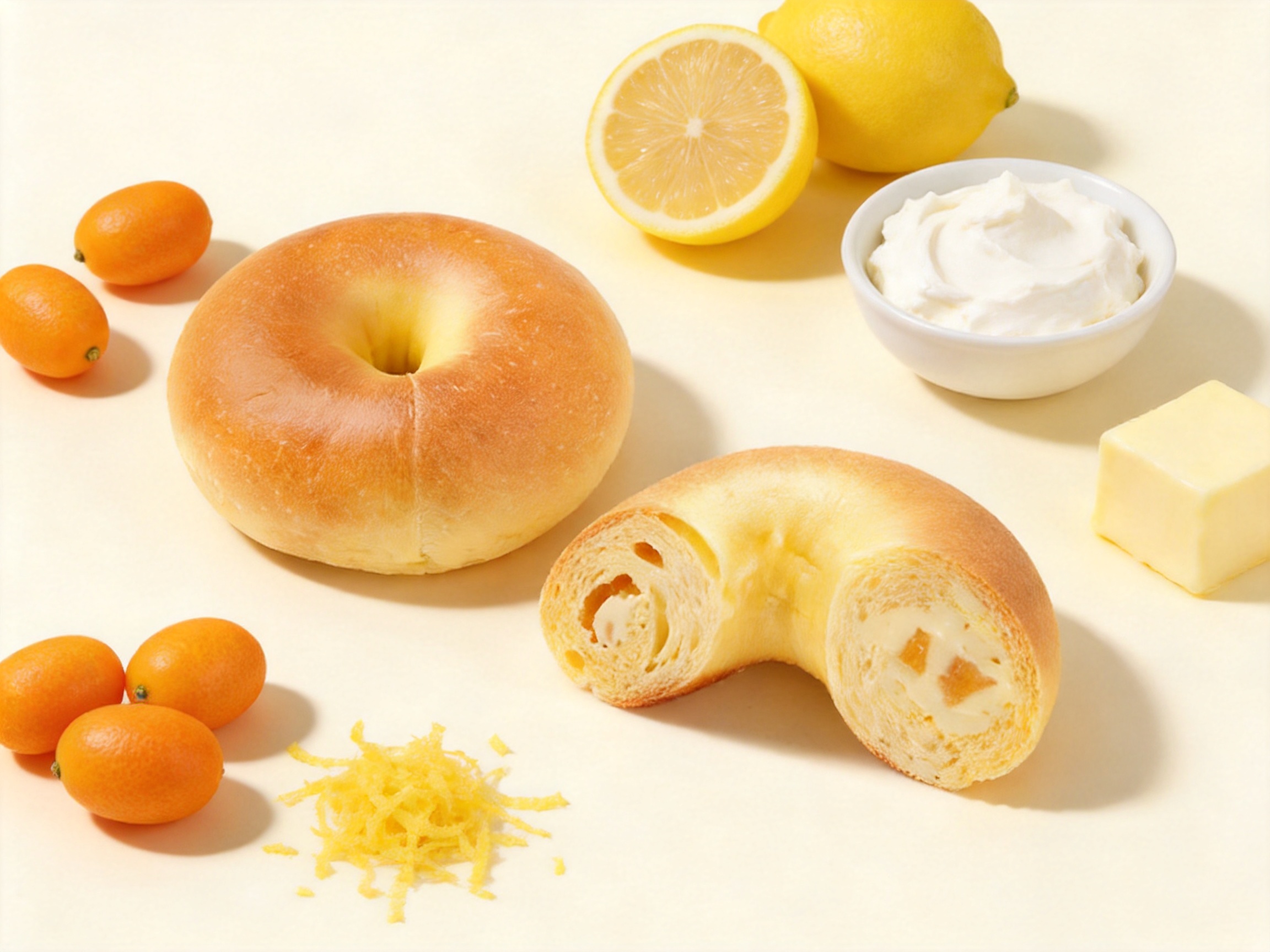
For a product such as the Kumquat Lemon Butter-Cream Cheese Bagel, the manufacturing challenge involves more than producing a basic dough. The factory must coordinate dough development, fermentation, filling preparation, filling placement, sealing, shaping, baking or setting, freezing, packaging, and storage. Each stage can affect the final texture and filling distribution.
Filling control is particularly important. The filling must be placed consistently so that consumers receive a balanced ratio of bagel to cream cheese and citrus. Poor filling distribution may create empty sections, leakage, uneven weight, or inconsistent flavor. Commercial production therefore requires repeatable depositing and shaping procedures, along with inspection standards.
Freezing is another critical stage. Rapid and controlled freezing can help preserve structure and limit undesirable changes in texture. Temperature management throughout storage and transportation is essential for maintaining product performance. A reliable manufacturer must establish appropriate frozen-chain procedures and communicate storage requirements clearly to customers.
Packaging also contributes to quality. It protects the product from moisture loss, freezer exposure, physical damage, and contamination. For private-label customers, packaging may additionally need to meet brand guidelines, regulatory requirements, carton specifications, and distribution conditions. These technical factors are part of the complete OEM service, not separate from product quality.
Quality, Consistency, and Commercial Reliability
For individual consumers, one excellent product can create a positive impression. For commercial buyers, the same quality must be repeated across thousands of units and multiple deliveries. Consistency is therefore one of the strongest advantages a specialized frozen bakery manufacturer can offer.
Consistency includes weight, shape, color, dough density, filling ratio, flavor intensity, and post-heating texture. The listed product weight is 78 grams, providing a useful basis for portion planning, packaging, menu costing, and nutritional calculation. Consistent unit weight can also support retail price architecture and foodservice inventory management.
Reliable production helps customers forecast food cost and serving size. If each piece varies significantly, operators may experience unpredictable yields or customer complaints. Standardized manufacturing reduces these risks and supports a more professional service experience.
Goobagel Food’s stated values include persistence, craftsmanship, respect, and science. These values align with the requirements of modern food manufacturing. Persistence supports continuous process improvement. Craftsmanship emphasizes attention to texture and flavor. Respect relates to customers, partners, employees, and product standards. Science supports controlled development, testing, and production management.
The company’s mission is to provide customers with high-quality and healthy products while creating opportunities for partners to realize their dreams. For business buyers, this mission can be interpreted as a partnership-oriented approach rather than a simple transactional supply relationship. Product development, technical communication, packaging support, and supply coordination are all important when introducing a new frozen bakery item.
Advantages for OEM and Private-Label Customers
OEM and private-label customers often require more than a finished product. They may need a manufacturing partner capable of adapting flavors, adjusting product specifications, developing packaging, supporting regulatory documentation, and maintaining stable production over time.
The Kumquat Lemon Butter-Cream Cheese Bagel can serve as a ready-made specialty concept or as a starting point for customization. Customers may consider modifications to filling intensity, citrus balance, portion size, dough formula, packaging format, or preparation instructions, subject to technical feasibility and approval.
A company with a broad bagel portfolio can help buyers shorten the product-development cycle. Instead of beginning with an entirely new category, a buyer can evaluate an existing product direction and refine it for a particular market. This approach may reduce development risk and allow a new menu item or retail product to reach consumers more efficiently.
Private-label buyers may also benefit from flavor differentiation. Citrus and dairy provide a flexible positioning platform. The product can be presented as a premium breakfast bagel, an afternoon snack, a café signature item, or a modern fruit bakery product. Packaging language and serving suggestions can be adapted to the customer’s brand identity.
For international customers, communication regarding ingredients, allergens, shelf life, storage, preparation, and regulatory compliance should be completed before commercial launch. The manufacturer and buyer should jointly confirm the formula and documentation required in the destination market.
Applications Across Retail and Foodservice
Retail supermarkets can position the product in frozen bakery sections, premium breakfast assortments, specialty bread ranges, or seasonal citrus collections. Its filled format gives it a clear point of difference from plain bagels and standard flavored breads. Retailers may also use multipack formats to encourage trial and repeat purchase.
Convenience stores can offer the bagel as a quick breakfast or snack item. Its 78-gram portion is substantial enough to feel satisfying while remaining suitable for handheld consumption. The integrated filling eliminates the need for separate cream cheese portions, utensils, and additional preparation.
Cafés can serve the product as a signature bakery item alongside coffee, tea, milk drinks, or citrus-based beverages. The bright fruit profile may pair well with black tea, green tea, espresso, latte beverages, and lightly sweetened iced drinks. Operators may offer it warm, sliced, or as part of a breakfast combination, depending on validated preparation procedures.
Tea brands and dessert-focused beverage shops can use the bagel as a savory-sweet bridge product. The cream cheese and citrus combination fits naturally with afternoon tea occasions, while the chewy bagel structure gives the item greater substance than a small pastry.
Hotels, catering providers, and institutional foodservice operators may use the product for breakfast buffets, meeting catering, boxed meals, or grab-and-go programs. Frozen supply can simplify advance planning and help operators provide a distinctive item without maintaining a full bakery production line.
Bakeries can also use the product as a component in a broader specialty range. It may be sold directly, warmed to order, included in gift assortments, or paired with other fruit and cream cheese products. Its flavor profile can contribute variety to a menu that already includes savory, chocolate, and plain bagel options.
How the Product Compares with Common Alternatives
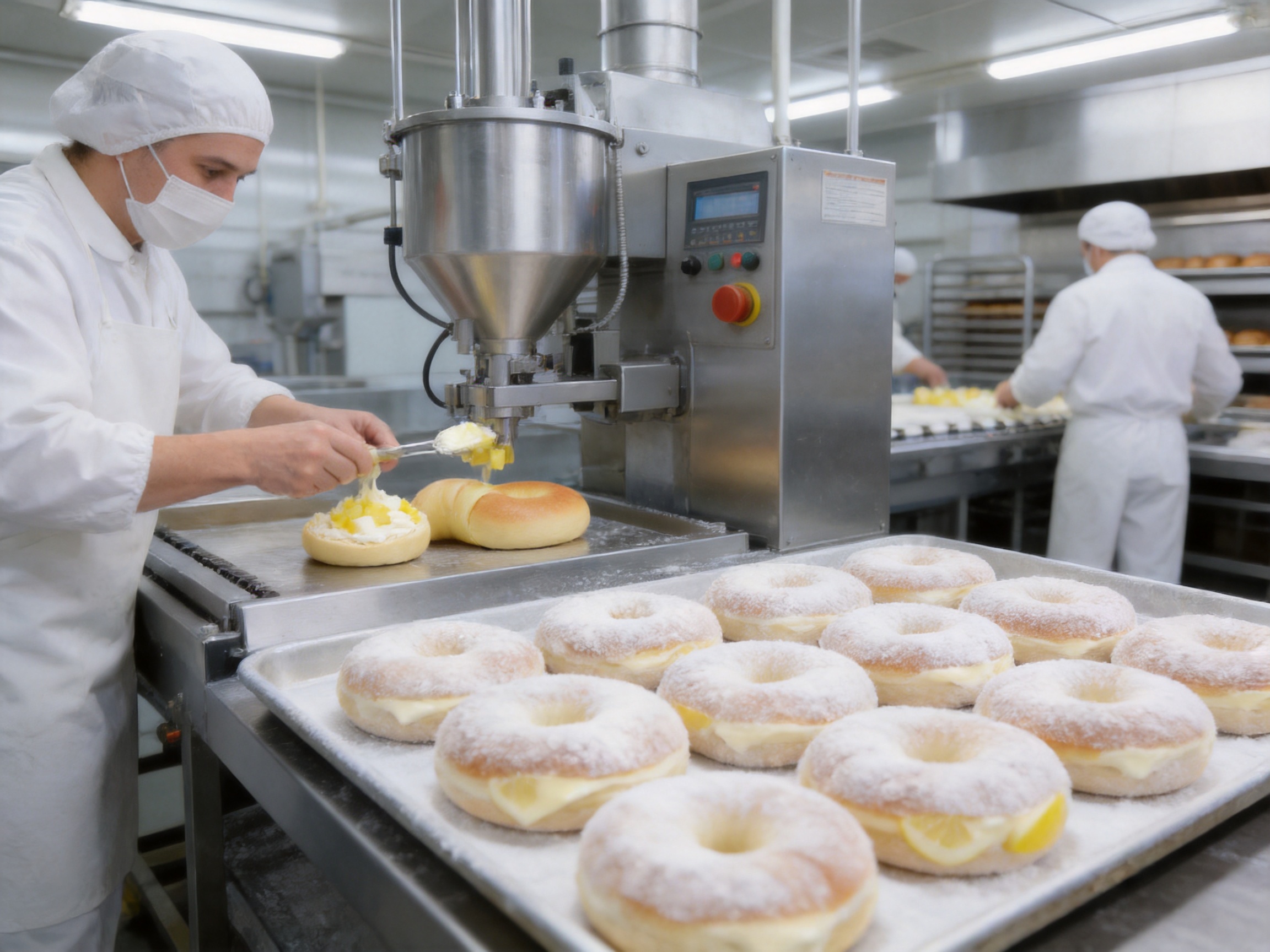
The product’s competitive advantages are best understood through comparison with common bakery alternatives. A plain bagel offers versatility but requires an additional spread or topping to create a complete flavored experience. The Kumquat Lemon Butter-Cream Cheese Bagel integrates its filling during manufacturing, giving the consumer a finished flavor combination in one unit.
A standard sweet bun may provide softness and sweetness, but it may not deliver the characteristic chew associated with a bagel. This product combines a structured bagel bite with the creamy and fruity appeal of a filled bakery item.
A basic lemon cream pastry may offer citrus flavor but often emphasizes sweetness and a tender or flaky texture. The bagel format creates a more substantial eating experience and may appeal to consumers looking for something between bread and dessert.
A plain cream cheese bagel provides familiar dairy richness but may lack fruit complexity. The addition of citrus puree and diced lemon creates brightness, aroma, and textural contrast, making the product more distinctive.
Some fruit-filled products depend heavily on sugar, artificial flavor, or a single jam layer. The supplied concept instead emphasizes natural citrus character, dairy ingredients, fermentation, and restrained sweetness. Final nutritional and ingredient claims should always be verified against the approved formula and applicable regulations, but the product direction is clearly premium and flavor-led.
Unlike products developed only for immediate bakery sale, a frozen commercial bagel must also perform through distribution, storage, and standardized preparation. The manufacturer’s experience in frozen bakery production provides an important advantage for customers who need supply reliability in addition to sensory appeal.
Serving and Merchandising Ideas
The product can be introduced through simple serving suggestions that make its flavor easy to understand. A warm citrus cream cheese bagel paired with coffee creates a familiar breakfast experience with a premium twist. Served with tea, it becomes a natural afternoon snack. Presented in a grab-and-go display, it can appeal to consumers seeking a convenient but more distinctive alternative to ordinary bread products.
Menu descriptions should emphasize the contrast between the chewy bagel exterior and the creamy citrus interior. Terms such as “double citrus,” “natural fermentation,” “dairy butter,” and “cream cheese filling” may help communicate the product’s value, provided all claims accurately reflect the final approved formula.
Retail merchandising may benefit from grouping the product with fruit breads, premium frozen bakery items, or specialty breakfast foods. Bright citrus colors in packaging and point-of-sale materials can communicate freshness and energy. The product may also be promoted during spring and summer, although its dairy and bakery comfort profile allows year-round use.
Sampling can be particularly effective for this type of product. Consumers may understand a lemon flavor, but the combination of citrus, cream cheese, butter, and chewy bagel texture is more persuasive when experienced directly. Small warmed samples can demonstrate the aroma, filling texture, and flavor transition.
For foodservice customers, portion and preparation consistency should be highlighted. A standardized filled product can help staff serve a premium item with limited assembly. Operators may also develop combo meals featuring fruit, yogurt, coffee, tea, or breakfast beverages.
Supply Chain Strength and Partnership Value
Goobagel Food describes itself as a modern frozen bakery producer with an integrated supply chain. This structure covers raw materials, research and development, production, and nationwide distribution. Integration can improve coordination between departments and help the manufacturer respond more effectively to product specifications and delivery requirements.
Raw material management is important for a citrus dairy product. Flour quality, cream cheese, butter, fruit ingredients, fermentation inputs, and packaging materials must be sourced and managed consistently. Changes in raw materials can influence dough absorption, filling viscosity, aroma, flavor, and finished texture. A coordinated supply chain helps reduce avoidable variation.
Research and development capability is also valuable because customer needs differ. A café chain may require a particular size and preparation method, while a retailer may prioritize packaging efficiency and shelf presentation. A foodservice distributor may focus on carton configuration, storage stability, and delivery schedules. An experienced manufacturer can help align these requirements with a workable production plan.
Nationwide distribution experience may support domestic supply programs and provide a foundation for broader commercial cooperation. For export customers, additional discussions would be required regarding shipping conditions, documentation, import regulations, and frozen-chain management.
A long-term manufacturing partnership should include clear communication about forecasts, minimum order quantities, lead times, quality standards, packaging approvals, production schedules, and change-control procedures. These operational details are essential to ensuring that an attractive product concept becomes a dependable commercial program.
Product Development and Technical Validation
Before launch, buyers should conduct technical validation under real operating conditions. The product should be evaluated after the intended storage period and prepared using the equipment available at the point of sale. Tests may include thawing behavior, heating time, surface appearance, filling temperature, crumb texture, flavor balance, and holding performance.
Because the product contains dairy and fruit components, operators should also review storage and handling procedures carefully. Frozen products must remain within the specified temperature range, and opened packaging should be managed according to approved food-safety procedures. Preparation instructions should be clear enough for staff at different locations to follow consistently.
Sensory testing can examine several attributes. The bagel exterior should have a clean wheat aroma, a resilient chew, and no excessive dryness. The filling should be smooth, creamy, and evenly distributed. Citrus should be bright and identifiable, with acidity balanced by dairy richness. Diced fruit should contribute texture without creating leakage or an unpleasantly harsh bite.
Commercial testing may also consider packaging durability, carton stacking, freezer space, labor requirements, equipment compatibility, and serving speed. These factors influence the total value of the product and should be assessed alongside flavor.
Ingredient and allergen information must be confirmed through official technical documents. The presence of wheat, milk, and other ingredients should be clearly declared according to the destination market’s requirements. Any use of terms such as “natural,” “clean label,” “healthy,” or “premium” should be supported by the final formula and applicable regulations.
Product Specification Overview
| Specification | Information |
|---|---|
| Product name | Kumquat Lemon Butter-Cream Cheese Bagel |
| Product category | Fruits Bagel; suitable for stuffed bagel and specialty bagel assortments |
| Approximate unit weight | 78 grams |
| Outer dough concept | Premium flour, Japanese-style milling, and natural yeast fermentation |
| Texture objective | Fine-grained, chewy, firm yet tender, and resilient without excessive dryness |
| Fruit profile | Citrus puree with diced lemon and a kumquat-lemon flavor direction |
| Dairy profile | Anchor cream cheese and dairy butter |
| Commercial format | Frozen bakery product for retail, foodservice, café, tea, and bakery applications |
| Manufacturing service | OEM and private-label development potential |
The table provides a concise overview for buyers evaluating the item. Final specifications, pack size, shelf life, preparation instructions, nutritional information, and regulatory declarations should be confirmed through the manufacturer’s official product documentation before purchase or launch.
Brand and Manufacturer Background
Jiangsu Goobagel Food Technology Co., Ltd. operates from Wuxi, Jiangsu Province, China. The company has focused on bagel research and manufacturing since 2019 and serves commercial customers seeking frozen bagel products, OEM support, and private-label solutions.
Its company information emphasizes a modern production model, integrated supply chain, research and development capabilities, and a broad portfolio of more than 100 bagel varieties. This positioning makes the company relevant to buyers that need both product innovation and supply continuity.
The company’s vision is to strive for a better life. Its mission is to provide customers with high-quality and healthy products while helping partners find opportunities to realize their dreams. Its stated values are persistence, craftsmanship, respect, and science. These principles provide a useful framework for understanding the company’s approach to product development and commercial cooperation.
For buyers, the most important practical question is how these principles translate into execution. In the case of this citrus-filled bagel, the answer can be seen in the attention given to flour selection, milling, natural fermentation, fruit layering, dairy formulation, filling structure, frozen production, and commercial applications.
Frequently Asked Questions
What is the Kumquat Lemon Butter-Cream Cheese Bagel?
It is a filled specialty bagel combining a chewy, naturally fermented bagel exterior with a citrus and dairy filling. The flavor concept includes citrus puree, diced lemon, Anchor cream cheese, and dairy butter. The product is designed to offer bright fruit acidity, creamy richness, and a satisfying bagel texture.
How much does one bagel weigh?
The listed product description specifies an approximate unit weight of 78 grams. Buyers should confirm the production tolerance and final commercial specification with the manufacturer.
What makes the product different from a plain bagel with cream cheese?
The filling is integrated into the bagel during manufacturing rather than applied separately at the point of service. In addition to cream cheese, the product contains dairy butter and layered citrus elements, including puree and diced lemon. This creates a more complete flavor experience and may reduce assembly labor for foodservice operators.
Is the product sweet or sour?
The intended profile is balanced rather than intensely sweet or sharply sour. Citrus provides brightness and acidity, while cream cheese and butter add richness and roundness. The exact sweetness and acidity should be assessed against the approved formula and customer sampling requirements.
What does natural yeast fermentation contribute?
Natural yeast fermentation can support a more developed wheat aroma, improved dough character, and a satisfying crumb structure. In this product, fermentation is intended to create a credible bagel foundation that complements the citrus filling without adding excessive sourness.
What is Japanese-style milling?
Japanese-style milling refers to a milling approach focused on flour refinement and consistency. It can influence particle size, water absorption, dough development, and crumb texture. The product profile associates this approach with a fine-grained and chewy bagel foundation.
Can the product be used in cafés?
Yes. The product is suitable for café applications, including breakfast service, snack menus, coffee pairings, and afternoon tea offerings. Preparation procedures should be validated using the equipment and service conditions of each café.
Can retailers sell it as a private-label product?
The manufacturer offers OEM and private-label bagel solutions. Retailers should discuss packaging, product specifications, minimum order quantities, labeling, documentation, and market requirements directly with the manufacturer.
What types of businesses may purchase this product?
Potential customers include supermarkets, frozen food distributors, cafés, tea brands, bakery operators, hotels, catering companies, convenience stores, restaurant chains, and institutional foodservice providers.
How should the product be stored?
As a frozen bakery product, it should be stored and transported according to the manufacturer’s official frozen-chain requirements. Buyers should obtain confirmed storage temperatures, shelf-life information, packaging specifications, and handling instructions before commercial use.
Does the product contain allergens?
The formula includes wheat-based flour and dairy ingredients such as cream cheese and butter. These are common allergens in many markets. The final ingredient list and allergen declaration must be confirmed through official documentation for the specific production formula.
Can the citrus ingredients be customized?
Potential customization should be discussed with the manufacturer’s research and development team. Adjustments may be possible depending on flavor targets, ingredient availability, filling stability, regulatory requirements, and production feasibility.
How does the product support labor efficiency?
Because the filling is integrated into the bagel, operators do not need to slice the product and add a separate cream cheese spread during service. This can simplify preparation, improve portion consistency, and reduce the number of ingredients and utensils required at the point of sale.
What should buyers evaluate before placing an order?
Buyers should evaluate sensory quality, filling distribution, unit weight, packaging, frozen storage performance, preparation results, shelf life, documentation, minimum order quantities, lead times, and delivery conditions. A sample trial is recommended before a large-scale launch.
Conclusion
The Kumquat Lemon Butter-Cream Cheese Bagel is a premium filled bakery product developed around contrast and balance. Its appeal comes from the combination of a structured, naturally fermented bagel foundation and a layered citrus dairy filling. Premium flour, Japanese-style milling, and controlled fermentation support the outer texture, while citrus puree, diced lemon, Anchor cream cheese, and dairy butter create a flavor profile that is bright, creamy, aromatic, and restrained.
Compared with plain bagels, the product offers a complete filled experience. Compared with ordinary sweet buns, it delivers a more distinctive chew. Compared with single-note fruit pastries, it provides greater depth through the interaction of citrus, dairy, butter, and fermented wheat. These qualities give it strong potential across retail, café, tea, bakery, hotel, catering, and private-label channels.
Its commercial value is strengthened by the capabilities of Jiangsu Goobagel Food Technology Co., Ltd. The company’s experience in bagel research and manufacturing, integrated supply chain, broad product portfolio, frozen bakery focus, and OEM and private-label services make it suitable for customers seeking both innovation and reliable supply.
For buyers looking to expand their frozen bakery range, this product offers a practical way to introduce a distinctive citrus flavor in a familiar and versatile format. With appropriate technical validation, packaging development, and market positioning, it can become a signature product for businesses that want to provide consumers with a modern bagel experience built on texture, ingredient quality, and dependable manufacturing.
References
1. Product information supplied for the Kumquat Lemon Butter-Cream Cheese Bagel, including product category, weight, ingredients, flavor description, and manufacturing concept.
2. Company information supplied for Jiangsu Goobagel Food Technology Co., Ltd., including company history, supply chain capabilities, product development portfolio, vision, mission, and values.
3. General bakery science references concerning flour milling, dough development, yeast fermentation, crumb structure, and frozen bakery processing.
4. General food manufacturing references concerning cold-chain management, frozen product handling, filling control, packaging protection, and commercial quality assurance.
5. General sensory evaluation references concerning the assessment of aroma, flavor balance, acidity, sweetness, mouthfeel, texture, and consumer acceptance in bakery products.
