
 中文简体
中文简体
 English



postmaster@goobagelfood.com
Content
- 1 1. Product Overview
- 2 2. The Flavor Architecture: Wheat First, Cranberry Brightness Second
- 3 3. Texture and Eating Quality
- 4 4. Low-Fat Positioning and Everyday Wellness
- 5 5. Advantages Over Conventional Fruit Bagels and Competing Options
- 6 6. Manufacturing Strengths and Integrated Supply Chain
- 7 7. Commercial Applications
- 8 8. Serving and Pairing Possibilities
- 9 9. Private Label and OEM Opportunities
- 10 10. Quality, Consistency, and Customer Confidence
- 11 11. Clean-Label Product Development
- 12 12. Operational Benefits of a Frozen Bagel Format
- 13 13. Brand and Company Capabilities
- 14 14. How the Product Supports Modern Consumer Preferences
- 15 15. Recommended Positioning for Buyers
- 16 16. Quality and Preparation Considerations
- 17 17. Why This Product Deserves Consideration
- 18 18. Frequently Asked Questions
- 18.1 Q1: What type of product is the Healthy and Low-Fat Cranberry Bagel?
- 18.2 Q2: What does the bagel taste like?
- 18.3 Q3: Are real cranberries used in the product?
- 18.4 Q4: Is the product suitable for consumers seeking lower-fat choices?
- 18.5 Q5: What is the texture of the finished bagel?
- 18.6 Q6: How can the cranberry bagel be served?
- 18.7 Q7: Is the product suitable for cafés and restaurants?
- 18.8 Q8: Why is the frozen format useful for commercial buyers?
- 18.9 Q9: Can the product be used in private-label programs?
- 18.10 Q10: What company manufactures the product?
- 18.11 Q11: What manufacturing strengths does the company offer?
- 18.12 Q12: Does the product have a verified nutritional value or certification stated here?
- 19 Conclusion
- 20 References
- 21 Product: Healthy And Low-Fat Cranberry Bagel
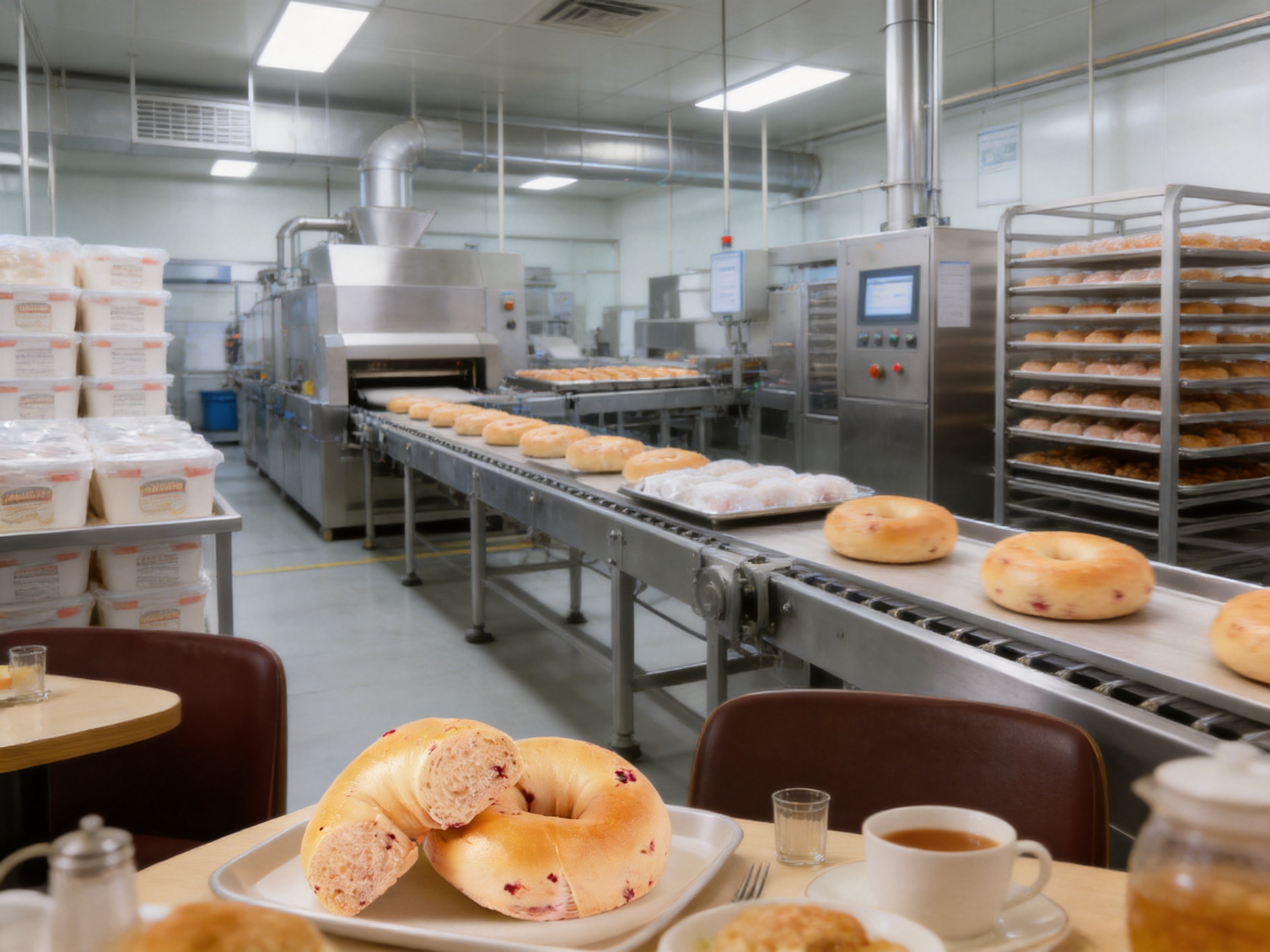
The cranberry bagel has become an increasingly attractive option for customers who want more flavor variety than a plain bagel while still seeking a practical, satisfying, and better-for-you breakfast. The Healthy and Low-Fat Cranberry Bagel combines a dependable wheat foundation, real dried cranberries, a classic bagel texture, and a low-fat formulation designed for flexible everyday use. It is suitable for breakfast menus, light meals, café displays, retail freezer programs, bakery counters, and post-workout eating occasions.
Unlike sweet bakery products that depend mainly on sugar, icing, or rich fillings for consumer appeal, this bagel develops its character through the interaction of toasted wheat and fruit. The grain provides warmth, structure, and substance. The cranberries introduce a gentle tartness and lingering sweetness. Together, these elements create a balanced flavor profile that is distinctive without becoming overwhelming.
For commercial buyers, the product offers more than a pleasant taste. It is also designed around the practical requirements of modern food operations: consistent quality, convenient frozen storage, menu flexibility, reliable supply, and compatibility with multiple toppings and serving formats. These qualities make it a useful product for companies that need a versatile bagel with broad consumer appeal.
1. Product Overview
The Healthy and Low-Fat Cranberry Bagel belongs to the Sweet & Fruity Bagel category. It is developed for customers who appreciate the familiar chew and rounded form of a traditional bagel but want a flavor with a brighter, fruit-forward personality.
The product begins with a wheat-based dough selected for a clean and consistent grain profile. This foundation is important because the flavor of a bagel is not created by fruit alone. The wheat contributes the toasted aroma, mild nuttiness, and substantial mouthfeel that define the product’s identity. When the grain backbone is dependable, the cranberry flavor can remain clear and balanced rather than being hidden by excessive sweetness or heavy flavoring.
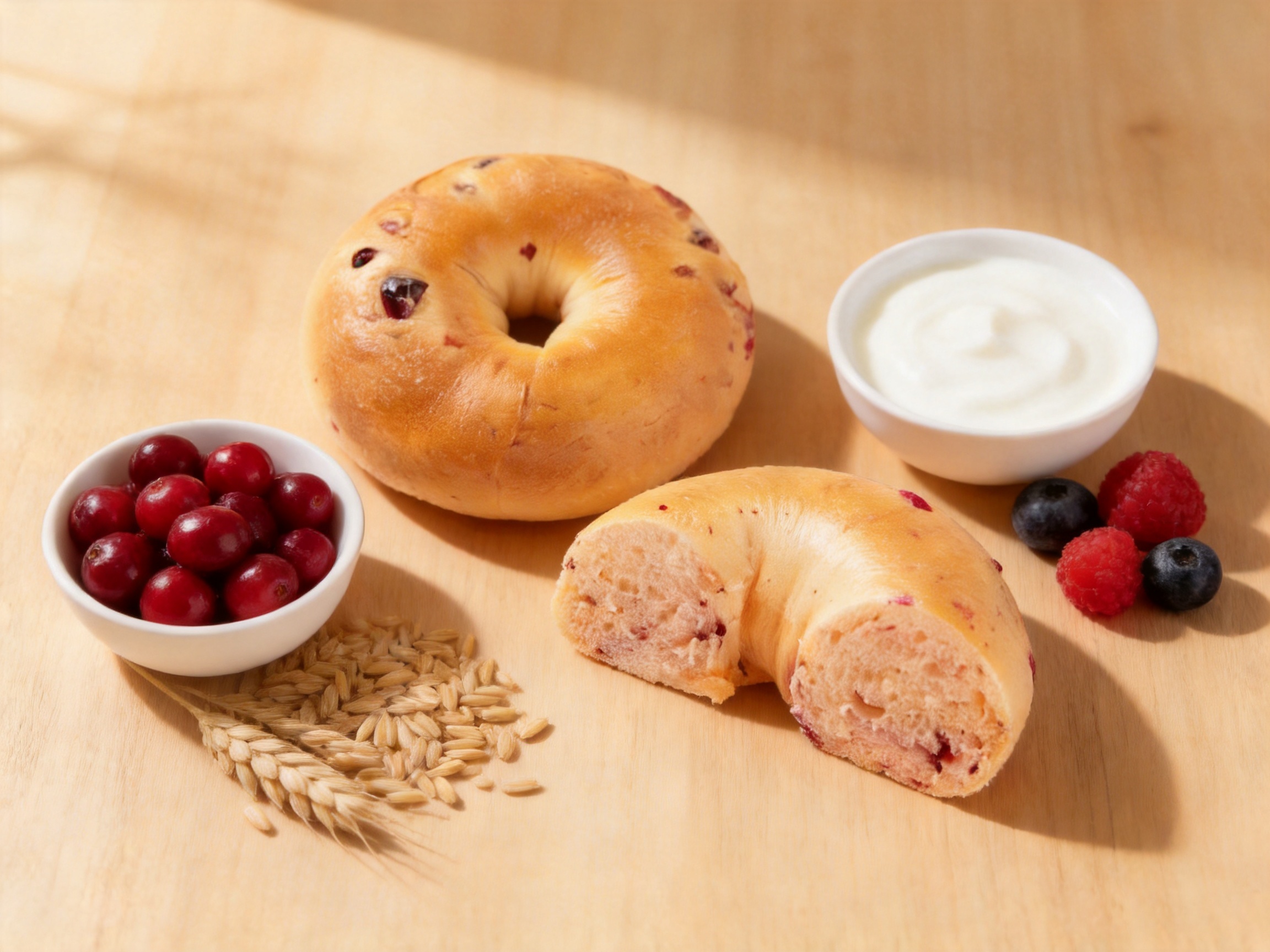
Real dried cranberries are folded into the dough in a generous and substantive proportion. Their role is not merely decorative. They are intended to provide a noticeable fruit experience in every portion, allowing the consumer to encounter both the grain and the cranberry during the same bite. The fruit contributes a mild tang, natural-looking color variation, and a soft, chewy contrast to the resilient bagel exterior.
The product is also positioned as a low-fat bagel. This positioning makes it suitable for consumers who are paying closer attention to everyday food choices and for foodservice operators who want to offer lighter menu alternatives. Low-fat positioning does not mean that the bagel is limited to one type of customer or one serving occasion. It can be enjoyed on its own, paired with yogurt or fruit, served with lean proteins, or used as a base for a balanced breakfast sandwich.
Its exterior is designed to retain classic bagel character, while the interior remains soft and tender. This contrast is central to the eating experience. A bagel that is too hard may feel difficult to eat, while a product that is too soft may lose the satisfying structure customers expect. The Healthy and Low-Fat Cranberry Bagel aims to occupy the middle ground: resilient enough to feel like a real bagel and tender enough for comfortable everyday consumption.

Healthy And Low-Fat Cranberry Bagel
2. The Flavor Architecture: Wheat First, Cranberry Brightness Second
A strong fruit bagel requires more than the addition of dried fruit. The underlying dough must be able to support the fruit’s flavor. If the grain profile is weak, the finished product may taste one-dimensional. If the fruit content is too low, the product may look like a cranberry bagel without delivering a meaningful cranberry experience. The formulation of this product addresses both challenges by giving attention to the wheat base and the distribution of the cranberries.
2.1 A Clean Grain Foundation
The wheat foundation creates the first impression. During preparation and baking, wheat develops a warm and recognizable aroma that helps establish the bagel’s identity. This aroma is especially valuable in a fruit product because it prevents the cranberry from becoming disconnected from the expected bagel experience.
A clean grain profile also improves pairing potential. The wheat flavor is sufficiently familiar to work with dairy, fruit, vegetables, and protein-based toppings. It does not force the product into a dessert-only role. Instead, it allows the bagel to function across several menu categories, including breakfast, brunch, snack, café, and light meal applications.
For consumers, this balance creates a product that feels both comforting and interesting. The traditional grain character communicates familiarity, while the cranberry provides a small but noticeable departure from the ordinary plain or savory bagel.
2.2 Real Dried Cranberries in the Dough
The use of real dried cranberries gives the product an authentic fruit identity. As the customer bites into the bagel, the cranberry pieces create intermittent points of sweetness and tang. This variation is important because it gives the eating experience movement and keeps the product from tasting flat.
The cranberries are described as being generously folded into the dough. This approach supports more even distribution than placing fruit only on the surface. It also helps ensure that the fruit remains part of the product’s internal texture and flavor rather than serving as a visual garnish.
During baking, dried cranberries interact with the dough in several ways. They contribute chewiness, introduce small areas of concentrated fruit flavor, and create a contrast between the grain-based crumb and the softer fruit pieces. The result is a product with a more layered texture than a plain bagel while retaining the structural qualities expected from the category.
2.3 Balanced Sweet-Tart Character
Cranberry is naturally associated with a combination of tartness and sweetness. This balance can make the fruit more refreshing than a purely sweet ingredient. In the finished bagel, the cranberry’s gentle tang helps prevent the product from feeling excessively rich or sugary.
The flavor sequence is designed to develop gradually. The consumer first notices the warm grain and toasted wheat notes. The cranberry then appears with a mild tang and lingering sweetness. This order is useful because it preserves the product’s bagel identity while still making the fruit a clear feature.
Such a flavor profile can appeal to customers who want a sweet breakfast item but do not necessarily want a heavily iced, filled, or dessert-style pastry. It offers a more restrained form of sweetness that can be enjoyed with coffee, tea, milk, yogurt, or fresh fruit.
3. Texture and Eating Quality
Texture is one of the most important factors in bagel acceptance. Consumers often judge a bagel by the relationship between its surface and its interior. A well-developed bagel should offer some resistance when bitten, followed by a tender and satisfying chew.
The Healthy and Low-Fat Cranberry Bagel is designed around a resilient outside and tender inside. This structure creates a familiar bagel experience while making the product approachable for a wide range of consumers. The exterior provides definition and substance, and the interior supports a softer bite with enough density to feel filling.
3.1 Resilient Exterior
A resilient exterior helps distinguish the product from ordinary sweet rolls and soft breakfast buns. It provides the characteristic bite that customers associate with bagels. This quality is also valuable for foodservice because the product can hold its shape when sliced, toasted, topped, or incorporated into a sandwich.
The exterior should not be understood as excessively hard. Its purpose is to provide structure and a satisfying bite, not to make the product difficult to consume. When combined with a tender center, the surface creates a balanced textural contrast.
3.2 Tender Interior
The interior is designed to remain soft and tender, giving the product a comfortable eating experience. This is particularly important for a cranberry bagel because the dough must complement the chewiness of the dried fruit. A crumb that is too dry could make the fruit feel overly firm, while a crumb that is too loose could reduce the product’s bagel character.
A tender interior also supports multiple serving methods. The bagel can be served whole, sliced, lightly toasted, or used as the foundation for a composed breakfast item. It can accommodate cream cheese, yogurt-based spreads, nut or seed spreads, lean proteins, and fresh greens without losing its own flavor identity.
3.3 Texture Stability in Commercial Use
Commercial buyers need products that perform consistently beyond the first tasting. A bagel must maintain its appeal after storage, preparation, portioning, and service. Frozen bakery products are particularly useful because they can help operators manage inventory and prepare products according to demand.
The product’s development is connected to this practical requirement. Its structure is intended to remain useful for different commercial applications, from retail packaging to café service and bakery display. Consistency supports portion control, menu planning, staff training, and customer expectations.
4. Low-Fat Positioning and Everyday Wellness
The Healthy and Low-Fat Cranberry Bagel is positioned for consumers who want a satisfying bakery product while paying attention to fat intake. The low-fat approach gives the product a clear place within contemporary breakfast and snack menus, where many customers are seeking balance rather than indulgence at every eating occasion.
It is important to describe this positioning accurately. A low-fat bagel can support a lighter eating pattern, but the overall nutritional profile of a meal depends on portion size, toppings, accompaniments, and the consumer’s individual needs. The product should therefore be presented as a flexible option within a balanced diet rather than as a medical or therapeutic food.
4.1 A Practical Alternative to Rich Pastries
Many sweet breakfast products rely on high levels of fat, fillings, icing, or rich toppings. The cranberry bagel provides another option. It offers a naturally appealing fruit flavor and a filling wheat-based structure without requiring a heavy cream, butter, or pastry-style format.
This distinction can help retailers and foodservice operators develop menus with a broader range of choices. A single breakfast display can include traditional savory bagels, sweet and fruity bagels, and lighter alternatives. The cranberry product can occupy the space between plain bread and dessert pastry.
4.2 Satisfying Without Excessive Richness
The bagel’s density and chew help create a sense of substance. Customers may find it satisfying because the product provides a substantial wheat base, rather than relying only on sweetness for appeal. The cranberries add flavor interest, while the low-fat formulation supports a lighter overall impression.
This combination is suitable for busy mornings when consumers need a portable or convenient food. It can also fit into workplace breakfast programs, school or institutional foodservice where appropriate, café menus, and post-workout refueling occasions.
4.3 Pairing with Balanced Ingredients
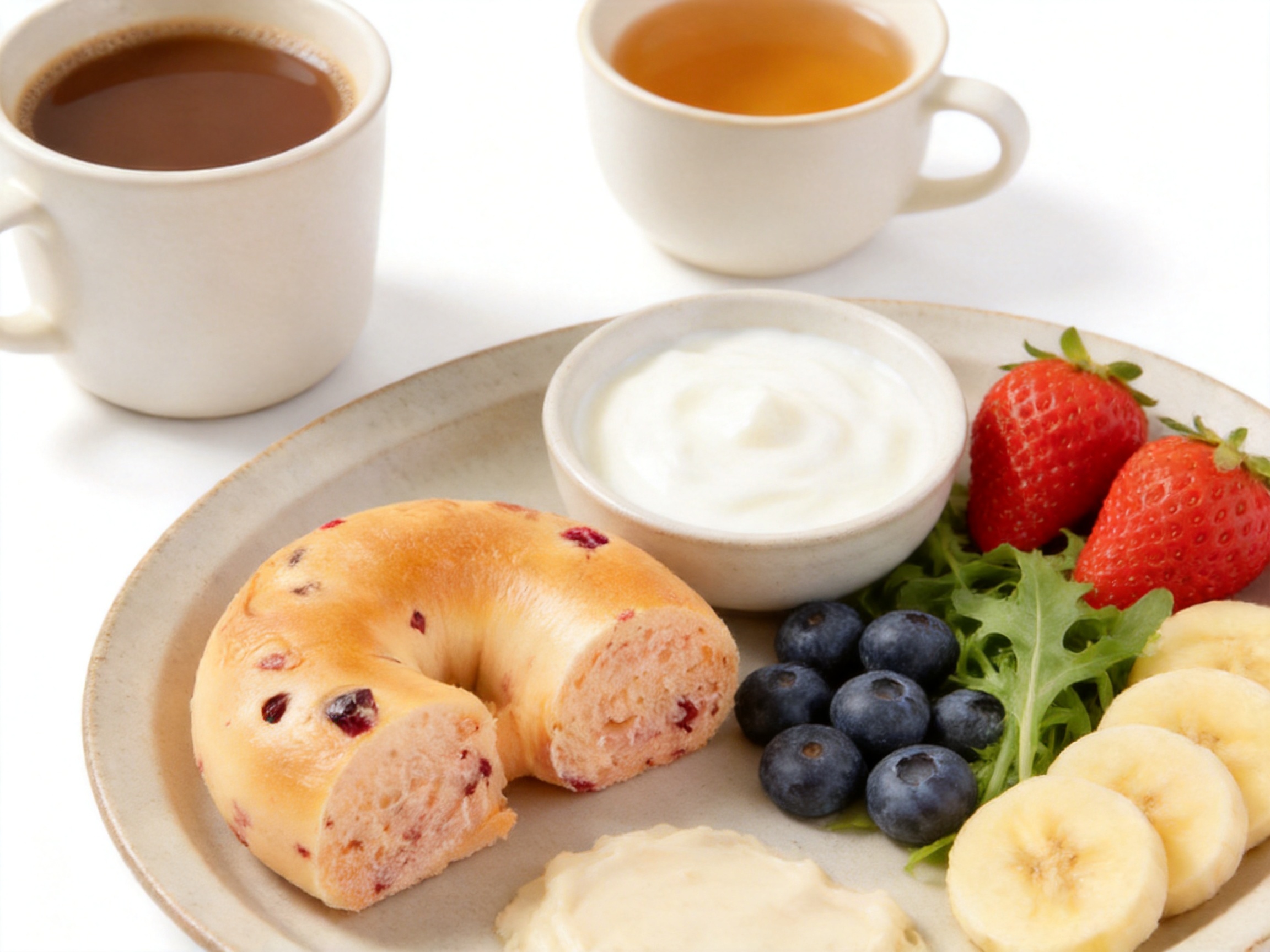
The product can be paired with ingredients that reinforce its better-for-you positioning. Examples include plain or low-fat yogurt, fresh berries, sliced banana, cottage cheese, lean poultry, reduced-fat cream cheese, fresh greens, and nut or seed spreads in appropriate portions.
These combinations give operators the ability to build complete menu items without changing the base product. For example, a café can offer a cranberry bagel with yogurt and fruit, while a hotel breakfast buffet can serve it alongside eggs and fresh produce. A retail customer can prepare it at home in either a simple or more elaborate way.
5. Advantages Over Conventional Fruit Bagels and Competing Options
The product’s competitive advantages arise from the relationship between flavor, texture, formulation, and supply capability. It is not defined by a single ingredient alone. Instead, it offers a coordinated solution for consumers and buyers who need a fruit bagel that is flavorful, versatile, and commercially practical.
| Evaluation Area | Healthy and Low-Fat Cranberry Bagel | Potential Limitation of Conventional Alternatives | Commercial Benefit |
|---|---|---|---|
| Flavor identity | Warm wheat aroma followed by real cranberry tang and sweetness | May rely on simple sweetness or weak fruit flavor | Provides a more layered and recognizable eating experience |
| Fruit distribution | Real dried cranberries are folded into the dough | Fruit may be sparse, unevenly distributed, or mainly decorative | Supports a more consistent fruit experience across portions |
| Texture | Resilient exterior with a tender interior | Some products may be overly soft, dry, or hard | Works for slicing, toasting, topping, and sandwich use |
| Fat positioning | Developed as a low-fat bagel option | Rich pastries may be less suitable for lighter menus | Helps operators serve customers seeking everyday balance |
| Menu flexibility | Suitable for breakfast, snacks, light meals, and post-workout occasions | Highly sweet products may have narrower applications | Supports several menu concepts with one product |
| Supply model | Frozen bakery format supported by integrated production capabilities | Local fresh supply may be less predictable across locations | Supports inventory planning and broader distribution |
| Product development | Produced by a company with more than 100 bagel varieties | Limited suppliers may offer fewer customization or category options | Creates opportunities for product portfolios and private-label programs |
5.1 More Than a Colored or Flavored Bagel
Some fruit bagels communicate their flavor mainly through color, aroma, or a small amount of added flavoring. The cranberry bagel described here takes a more ingredient-centered approach. The fruit is included as a meaningful part of the dough, making the product’s identity easier to understand and experience.
This matters in a market where customers increasingly examine ingredient stories and expect a product to deliver what its name suggests. A cranberry bagel should provide a noticeable cranberry experience, not merely a sweet dough with a fruit-related label.
5.2 More Flexible Than Dessert-Style Bakery Products
Because the product is built on a classic bagel structure, it can be used in both sweet and balanced meal formats. It does not need to be limited to a dessert counter. This flexibility is a significant advantage for operators seeking to improve the productivity of their menus and reduce the number of specialized products required.
The same bagel can be served with cream cheese in a traditional café format, with yogurt and fruit in a wellness-oriented breakfast, or with a mild protein and leafy greens for a more substantial light meal. This range of uses helps the product reach different customer needs throughout the day.
5.3 A Distinctive Alternative to Plain Bagels
Plain bagels remain highly versatile, but they may not provide enough flavor differentiation for every menu. The cranberry bagel offers a way to add variety while preserving the familiar bagel format. Its fruit profile can make a display more visually and conceptually diverse, especially when placed alongside plain, sesame, whole-grain, or savory products.
For retail buyers, differentiated flavor can also support assortment planning. A mixed bagel range can include traditional flavors for everyday users and sweet-fruity options for customers interested in discovery or seasonal eating.
6. Manufacturing Strengths and Integrated Supply Chain
The product is manufactured by Jiangsu Goobagel Food Technology Co., Ltd., a modern frozen bakery producer based in Wuxi, Jiangsu Province, China. The company has specialized in bagel research and manufacturing since 2019. Its experience is focused on the bagel category, allowing product development and production planning to be built around the specific requirements of bagel texture, flavor, storage, and commercial use.
One of the company’s most important strengths is its fully integrated supply chain. This structure covers raw materials, research and development, production, and nationwide distribution. Integration can help improve communication between stages and support closer control over product consistency. It also provides a foundation for responding to customer requirements, developing new varieties, and coordinating supply for commercial programs.
6.1 Raw Material Coordination
A reliable finished product begins with dependable raw materials. For the cranberry bagel, the main considerations include the wheat-based dough system and the dried cranberries. Consistent raw materials help maintain flavor, texture, appearance, and production behavior from batch to batch.
By managing raw material sourcing as part of an integrated supply chain, a manufacturer can establish clearer specifications and more consistent production planning. This is especially important for products intended for retail, foodservice, café chains, tea brands, and bakery operators, all of which may require dependable performance over time.
6.2 Research and Development Capability
Bagel development involves more than choosing a flavor name. The formulation must account for dough behavior, fruit distribution, baking performance, exterior structure, interior tenderness, and compatibility with frozen distribution. Research and development is therefore central to creating a product that can perform in a real commercial environment.
The company has developed more than 100 clean-label bagel varieties. This product breadth indicates experience with different flavor directions, ingredient combinations, and market applications. It also suggests that the manufacturer can draw on a broad development base when adapting products for different customers or building a complete bagel range.
For buyers, a supplier with an established R&D capability can offer more than a single finished item. It may provide support for assortment development, new flavor exploration, private-label concepts, and product adjustments that respond to local consumer preferences.
6.3 Production Organization
Production is the stage where a product concept becomes a repeatable commercial item. Consistent mixing, dough handling, fruit incorporation, shaping, baking, cooling, and freezing are all important to the final result. While specific equipment and process parameters may vary according to product requirements, a modern frozen bakery operation must coordinate these steps carefully.
For the cranberry bagel, production organization is especially relevant because the cranberries must be distributed throughout the dough while the bagel retains its shape and texture. The manufacturing process must support a consistent relationship between fruit content and dough structure. It must also prepare the product for frozen storage and later foodservice or retail use.
The company’s focus on bagel research and manufacturing provides a specialized foundation for this work. Rather than treating bagels as one item among many unrelated bakery categories, its operation is built around developing and producing bagel solutions for commercial customers.
6.4 Frozen Bakery Expertise
The frozen format is an important part of the product’s commercial value. Frozen bagels can help buyers manage stock, reduce pressure to sell all product immediately, and coordinate supply across locations. They are suitable for businesses that need a dependable product available according to service demand rather than only according to a daily fresh-baking schedule.
Frozen distribution can also support broader geographic reach. Products can be supplied to different retail and foodservice locations while maintaining a coordinated product program. For café chains and other multi-site operators, this can help create a more consistent customer experience across stores.
Operators should follow the supplier’s storage, thawing, heating, and preparation instructions to achieve the intended quality. Proper handling remains important for all frozen bakery products, and the final eating experience depends on the relationship between product design and operational execution.
7. Commercial Applications
7.1 Retail Freezer Programs
The cranberry bagel is well suited to retail freezer programs because the frozen format allows shoppers to keep the product available at home. The flavor is familiar enough for general consumers but distinctive enough to stand out from plain bagels. Packaging can emphasize the real dried cranberry inclusion, low-fat positioning, and flexible serving possibilities.
Retailers may place the product within a better-for-you bakery section, a frozen breakfast range, or a mixed bagel assortment. It can also be presented as a fruit-forward alternative for shoppers who want something different from savory breakfast bread.
For retail operators, a consistent product shape and recognizable flavor can support repeat purchasing. Consumers who enjoy the balance of wheat and cranberry may return to the same product for weekday breakfasts, weekend brunches, or convenient snacks.
7.2 Café and Coffee Shop Menus
Cafés can use the bagel as a simple food pairing for coffee, tea, smoothies, and other beverages. A plain cranberry bagel with a suitable spread creates a quick service item. It can also be toasted and offered as part of a breakfast combination.
The product’s sweet-tart flavor complements both hot and cold beverages. Its grain aroma pairs naturally with coffee, while the cranberry brightness can work well with tea, yogurt drinks, and fruit-based beverages. This makes it a practical addition to a beverage-led menu.
7.3 Hotel and Institutional Breakfast
Breakfast buffets benefit from products that offer visual and flavor variety without requiring complicated preparation. The cranberry bagel can be placed alongside plain bagels, toast, rolls, eggs, fruit, yogurt, and spreads. Customers can construct a meal according to their preferences, making the product useful for mixed dietary and taste requirements.
Its low-fat positioning may also support breakfast programs that aim to provide lighter alternatives. The product remains substantial enough to feel satisfying, while its fruit flavor can add variety to a standard bakery selection.
7.4 Bakery and Brunch Concepts
Independent bakeries and brunch operators can use the product as a base for signature combinations. Examples include cranberry bagel plates with cultured dairy and fruit, toasted bagels with whipped cheese and sliced pears, or breakfast boards featuring several bagel flavors.
The product can also contribute to seasonal menus. Cranberry is strongly associated with autumn and winter, but its sweet-tart character is suitable throughout the year. Operators can use it in holiday promotions, winter breakfast sets, or permanent fruit-bagel assortments.
7.5 Tea Brands and Cross-Category Foodservice
Tea brands and beverage chains increasingly use bakery products to increase average transaction value and create more complete consumption occasions. The cranberry bagel can complement tea-focused menus because its sweetness is moderate and its fruit character can be matched with black tea, green tea, herbal tea, or milk tea concepts.
Its portability also supports takeaway service. Customers can purchase a beverage and a bagel as a convenient breakfast or afternoon snack, creating a simple combination that does not require complex kitchen preparation.
8. Serving and Pairing Possibilities
The bagel’s balanced flavor makes it suitable for a broad range of toppings. Cream cheese is the most familiar pairing, particularly when the spread is plain, lightly sweetened, or flavored with citrus. The dairy component softens the cranberry’s tartness while reinforcing the product’s breakfast identity.
Yogurt and fresh fruit create a lighter presentation. A toasted or warmed cranberry bagel can be served with plain yogurt, strawberries, blueberries, apple slices, or banana. This combination highlights the product’s fruit-forward character without requiring a rich topping.
For a more savory direction, operators can use mild cheeses, lean poultry, fresh greens, or a light egg preparation. The cranberry adds contrast to these ingredients, similar to the way fruit chutneys or dried fruit can complement savory dishes. The grain foundation helps prevent the combination from becoming too sweet.
Nut and seed spreads can provide a satisfying option for customers who enjoy a combination of fruit and roasted flavors. Peanut, almond, sunflower seed, or mixed seed spreads may be considered according to the operator’s menu, allergen controls, and labeling requirements.
| Serving Direction | Suggested Pairings | Customer Experience |
|---|---|---|
| Classic breakfast | Cream cheese, butter alternative, coffee, or tea | Familiar bagel experience with added fruit flavor |
| Light and fresh | Plain yogurt, berries, banana, or fresh apple | Bright, balanced, and suitable for wellness-oriented menus |
| Protein-focused | Egg, lean poultry, mild cheese, or fresh greens | More substantial meal with sweet-tart contrast |
| Snack format | Nut spread, seed spread, or fruit accompaniment | Convenient and satisfying between meals |
| Café combination | Hot coffee, tea, smoothie, or yogurt beverage | Easy pairing for takeaway and counter service |
9. Private Label and OEM Opportunities
The cranberry bagel can serve as a finished product for buyers who want to add a fruit-based bagel to an existing range. It can also provide a starting point for OEM and private-label programs. The company’s experience with more than 100 varieties creates a foundation for discussing product portfolios, flavor extensions, and market-specific concepts.
Private-label customers may require different packaging formats, case configurations, naming approaches, or assortment strategies. A supplier with integrated raw material management, R&D, production, and distribution can coordinate these requirements more efficiently than a fragmented supply model.
The product may be especially relevant for retailers and foodservice groups that want to develop a branded frozen bakery range. A cranberry variety can be positioned alongside plain, savory, whole-grain, cheese, or other sweet-fruity bagels. This creates a more complete category solution and gives consumers several reasons to purchase.
9.1 Product Portfolio Development
A strong bagel program often depends on variety. Some customers seek traditional flavors, while others look for fruit, whole-grain, filled, or sandwich-ready options. By working with a manufacturer experienced in multiple bagel categories, buyers can develop a range rather than sourcing each product from a different supplier.
The Healthy and Low-Fat Cranberry Bagel can function as the sweet-fruity member of that range. Its flavor is recognizable, its serving possibilities are broad, and its low-fat positioning gives the portfolio an option that can be marketed toward balanced everyday eating.
9.2 Consistency for Multi-Location Operators
Chains and multi-location foodservice businesses need consistency across stores. Differences in product size, flavor, texture, or preparation behavior can affect customer satisfaction and operational efficiency. A coordinated frozen supply program can help reduce these differences when products are stored and prepared according to established procedures.
The company’s nationwide distribution capability provides a basis for supporting broader commercial programs within China. For customers planning expansion, reliable supply is an important part of product selection alongside flavor and price.
10. Quality, Consistency, and Customer Confidence
Quality in a commercial bagel is multidimensional. It includes raw material consistency, visual appearance, texture, flavor, fruit distribution, storage performance, and suitability for preparation. A product can have an attractive flavor but still be difficult to use if its size varies substantially or its texture is unreliable.
The cranberry bagel’s product concept addresses quality through a clear set of priorities: a clean wheat base, substantive real cranberry inclusion, a low-fat formula, and a resilient-outside, tender-inside texture. These priorities provide a practical framework for evaluating finished batches and maintaining a recognizable product identity.
For buyers, consistency reduces operational uncertainty. Staff can learn how to handle the product, menu descriptions can remain stable, and customers can receive a similar experience each time they purchase it. These benefits are particularly important for café chains, retail programs, and foodservice operators that depend on repeat purchasing.
Quality should also be considered in relation to the intended use. A bagel for direct retail consumption may be evaluated differently from one intended for slicing and sandwich assembly. The cranberry product has the flexibility to support both, which expands its commercial value.
11. Clean-Label Product Development
The company describes its product range as consisting of more than 100 clean-label bagel varieties. Clean-label expectations can vary between markets and customers, so buyers should confirm the specific ingredient declaration, allergen information, nutritional data, and regulatory documentation for the product and destination market.
From a product-development perspective, a clean-label direction generally places emphasis on understandable ingredients and a straightforward product story. The cranberry bagel’s story is easy to communicate: wheat provides the base, real dried cranberries provide fruit flavor, and the low-fat formula supports a lighter positioning.
This clarity can be helpful in retail and foodservice marketing. Customers often respond positively when a product’s central ingredients and purpose are easy to understand. A concise product message can explain the grain foundation, fruit inclusion, texture, and serving flexibility without relying on exaggerated claims.
12. Operational Benefits of a Frozen Bagel Format
Frozen bakery products can help food businesses align supply with demand. Fresh bakery programs may require daily production forecasts and can create pressure around unsold inventory. A frozen bagel format gives operators more control over when products are prepared and served.
Inventory planning can be improved because products can be held for scheduled service periods, promotional activity, or seasonal demand. This can be particularly useful for smaller cafés, hotel kitchens, convenience retailers, and businesses with fluctuating customer traffic.
The frozen format may also support menu expansion. An operator can add a cranberry bagel without investing in a complete dough room, fruit-handling system, or specialized bagel production line. The product can be integrated into an existing preparation workflow according to the supplier’s instructions.
For distribution, frozen products can be coordinated across multiple locations. This is valuable for brands that want to maintain a consistent menu item while serving customers in different cities or regions.
13. Brand and Company Capabilities
Jiangsu Goobagel Food Technology Co., Ltd. is based at No. 180, Yang’an Road, Liangxi District, Wuxi City, Jiangsu Province, China. The company’s work is centered on bagel research and manufacturing, and it has operated in this specialized field since 2019.
Its stated company vision is to strive for a better life. Its mission is to provide customers with high-quality and healthy products while providing partners with opportunities to realize their dreams. The company identifies persistence, craftsmanship, respect, and science as its core values.
These statements are relevant to the cranberry bagel because the product combines technical and commercial objectives. It must deliver consistent dough performance, an appealing fruit experience, and a low-fat positioning while remaining practical for different customers and distribution channels.
The company serves retail, foodservice, café chains, tea brands, and bakery operators. This range of customer types gives the product a broad commercial context. The same core bagel can be adapted to different selling environments, provided that packaging, portioning, preparation, and labeling requirements are properly established.
14. How the Product Supports Modern Consumer Preferences
Modern consumers often look for several qualities at once. They may want convenience, recognizable ingredients, satisfying texture, moderate sweetness, and a product that fits their daily routine. The cranberry bagel responds to these overlapping expectations without becoming overly specialized.
Convenience comes from the frozen format and the bagel’s easy preparation. Ingredient appeal comes from the wheat base and real dried cranberries. Texture comes from the contrast between the resilient exterior and tender interior. Better-for-you positioning comes from the low-fat formula. Flavor variety comes from the combination of toasted grain and sweet-tart fruit.
The product also supports personalization. Customers can choose a topping, serving temperature, beverage, or meal combination according to their preferences. This is useful in foodservice because personalization can increase the perceived value of a simple base product.
At the same time, the product remains familiar. It does not require customers to understand an unfamiliar format or preparation method. They already know how to eat a bagel; the cranberry provides a new flavor direction within that recognizable format.
15. Recommended Positioning for Buyers
Buyers can position the product as a fruit-forward bagel with a classic grain foundation and a lighter formulation. Marketing language should focus on the product’s real attributes: wheat aroma, real dried cranberries, sweet-tart flavor, resilient exterior, tender interior, and low-fat positioning.
For retail, the product can be presented as a convenient frozen breakfast or snack. For cafés, it can be paired with beverages and spreads. For hotels, it can become part of a varied breakfast buffet. For bakery operators, it can serve as a reliable base for creative plated combinations.
Descriptions should avoid implying that the product can prevent, treat, or cure a health condition. The low-fat attribute should be communicated according to verified product specifications and applicable local labeling rules. Clear, accurate communication builds more confidence than exaggerated promises.
16. Quality and Preparation Considerations
To preserve the intended eating experience, operators should handle the product according to the supplier’s storage and preparation guidance. Frozen goods should be stored under suitable conditions, protected from temperature abuse, and rotated according to an established inventory system.
Preparation can influence the final texture. Toasting may strengthen the exterior and warm the cranberry aroma, while serving the product at a softer temperature may emphasize the tender interior. Operators should test the product in the exact service format they plan to use, including slicing, topping, packaging, and holding time.
For sandwich applications, the product should be evaluated with the selected fillings. Mild ingredients may allow the cranberry to remain prominent, while stronger savory fillings may create a more contrasting flavor profile. Testing helps determine the best portion sizes, spreads, and menu descriptions.
Retail customers should follow package instructions and use appropriate food-handling practices. Commercial buyers should confirm all product specifications, including weight, dimensions, case pack, storage requirements, shelf life, allergen information, and nutritional values before final procurement.
17. Why This Product Deserves Consideration
The Healthy and Low-Fat Cranberry Bagel is a well-rounded option for businesses seeking a differentiated but accessible bakery product. Its main strength is balance. It combines familiar bagel structure with a distinct fruit flavor, a low-fat positioning with satisfying texture, and product variety with operational practicality.
The wheat base gives it substance and versatility. The real dried cranberries provide a meaningful flavor feature. The texture supports both direct eating and foodservice preparation. The frozen format supports inventory management and distribution. The manufacturer’s integrated supply chain and specialized bagel experience support commercial reliability.
Compared with a plain bagel, it offers greater flavor distinction. Compared with a dessert-style pastry, it provides a more substantial and flexible format. Compared with a weakly flavored fruit bagel, it offers a clearer cranberry identity. Compared with a highly localized fresh product, its frozen supply model may be better suited to organized retail and multi-site foodservice programs.
For buyers developing a modern bakery range, the product can serve as a bridge between indulgence and everyday balance. It appeals to customers who want something flavorful, convenient, and satisfying without choosing an excessively rich pastry.
18. Frequently Asked Questions
Q1: What type of product is the Healthy and Low-Fat Cranberry Bagel?
It is a sweet and fruity bagel made with a wheat-based dough and real dried cranberries. It is designed to offer a classic bagel texture with a gentle sweet-tart fruit flavor and a low-fat positioning.
Q2: What does the bagel taste like?
The flavor begins with a warm, full-bodied wheat and toasted grain aroma. The cranberry follows with a mild tang and lingering sweetness. The result is balanced rather than overwhelmingly sweet.
Q3: Are real cranberries used in the product?
The product description states that real dried cranberries are generously folded into the dough. Buyers should confirm the final ingredient declaration and specifications for their particular order and market.
Q4: Is the product suitable for consumers seeking lower-fat choices?
The bagel is developed as a low-fat product, making it suitable for menus and customers seeking lighter bakery options. Buyers should review the official nutritional information and applicable local labeling requirements before making specific nutritional claims.
Q5: What is the texture of the finished bagel?
It is designed to have a resilient exterior and a soft, tender interior. This provides the characteristic bite of a bagel while keeping the product comfortable to eat and suitable for slicing or topping.
Q6: How can the cranberry bagel be served?
It can be served with cream cheese, yogurt, fresh fruit, lean proteins, mild cheese, fresh greens, nut spreads, or seed spreads. It can also be toasted and paired with coffee, tea, smoothies, or yogurt beverages.
Q7: Is the product suitable for cafés and restaurants?
Yes. Its flavor and structure make it suitable for cafés, restaurants, hotels, breakfast programs, bakeries, and other foodservice operations. It can be offered as a standalone item, a beverage pairing, or part of a more complete meal.
Q8: Why is the frozen format useful for commercial buyers?
A frozen format can help businesses manage inventory, prepare products according to demand, and support distribution across multiple locations. It may also allow operators to expand their menu without installing a complete bagel production system.
Q9: Can the product be used in private-label programs?
It can serve as a starting point for OEM and private-label discussions. The manufacturer’s experience with more than 100 bagel varieties may support broader product portfolios, flavor development, and market-specific programs.
Q10: What company manufactures the product?
The product is manufactured by Jiangsu Goobagel Food Technology Co., Ltd., a frozen bakery producer in Wuxi, Jiangsu Province, China. The company has specialized in bagel research and manufacturing since 2019.
Q11: What manufacturing strengths does the company offer?
The company operates an integrated supply chain covering raw materials, research and development, production, and nationwide distribution. It also has experience serving retail, foodservice, café chains, tea brands, and bakery operators.
Q12: Does the product have a verified nutritional value or certification stated here?
The supplied product information identifies the bagel as low-fat but does not provide a complete nutrition panel or certification list. Buyers should request current technical documents, ingredient information, allergen details, nutritional data, and relevant compliance documents before purchase.
Conclusion
The Healthy and Low-Fat Cranberry Bagel offers a practical combination of grain character, real fruit inclusion, balanced sweetness, satisfying texture, and commercial flexibility. Its wheat foundation creates a dependable bagel identity, while the dried cranberries add brightness and variety. The low-fat formulation helps it serve customers who want a lighter everyday choice without giving up a substantial bakery experience.
For retailers and foodservice operators, the product can support multiple applications, from frozen retail sales and café breakfasts to hotel buffets, bakery displays, tea-brand menus, and private-label programs. Its frozen format can assist inventory planning, while the manufacturer’s integrated supply chain and specialized bagel development experience provide a strong foundation for consistent commercial supply.
As consumers continue to seek convenient foods with recognizable ingredients, satisfying texture, and balanced flavor, this cranberry bagel occupies a useful position between traditional bread and rich pastry. It is familiar enough for broad acceptance, distinctive enough to add menu variety, and flexible enough to support different eating occasions.
References
1. Product specification and descriptive materials for the Healthy and Low-Fat Cranberry Bagel, supplied for this article.
2. Company information for Jiangsu Goobagel Food Technology Co., Ltd., including company history, mission, vision, values, product development capabilities, and supply-chain description.
3. General principles of frozen bakery product handling, storage, preparation, and foodservice inventory management.
4. General food-labeling principles relating to ingredient declarations, nutritional claims, allergen information, and responsible product communication.
5. General bakery product-development principles concerning wheat dough structure, dried-fruit incorporation, texture balance, portion consistency, and commercial foodservice performance.
