
 中文简体
 English



postmaster@goobagelfood.com
Content
- 1 1. Product Overview and Market Position
- 2 2. Cocoa Dough Built from the Base
- 3 3. Balanced Chocolate and Cream Cheese Filling
- 4 4. Thaw-and-Eat Convenience
- 5 5. Texture as a Competitive Advantage
- 6 6. Advantages Over Conventional Alternatives
- 7 7. Manufacturing Strengths and Integrated Supply Chain
- 8 8. Clean-Label Product Development
- 9 9. Applications Across Commercial Channels
- 10 10. OEM and Private-Label Potential
- 11 11. Quality, Consistency, and Commercial Reliability
- 12 12. Serving and Merchandising Ideas
- 13 13. Why the Product Fits Current Consumer Behavior
- 14 14. A Practical Choice for Product Developers
- 15 15. Purchasing Considerations for Wholesale Buyers
- 16 16. Frequently Asked Questions
- 16.1 Q1: What is the cocoa chocolate cream cheese bagel?
- 16.2 Q2: What gives the bagel its chocolate flavor?
- 16.3 Q3: Is the product very sweet?
- 16.4 Q4: Does the product require an oven or toaster?
- 16.5 Q5: What is the texture after thawing?
- 16.6 Q6: What makes the filling different from a standard chocolate spread?
- 16.7 Q7: Which businesses can use this product?
- 16.8 Q8: Can it be served with beverages?
- 16.9 Q9: Why is the 90-gram size useful?
- 16.10 Q10: What manufacturing capabilities support the product?
- 16.11 Q11: Is the product available for OEM or private-label development?
- 16.12 Q12: What is the primary competitive advantage of this bagel?
- 17 17. Conclusion
- 18 References
- 19 Product: Cocoa Chocolate Cream Cheese Bagel
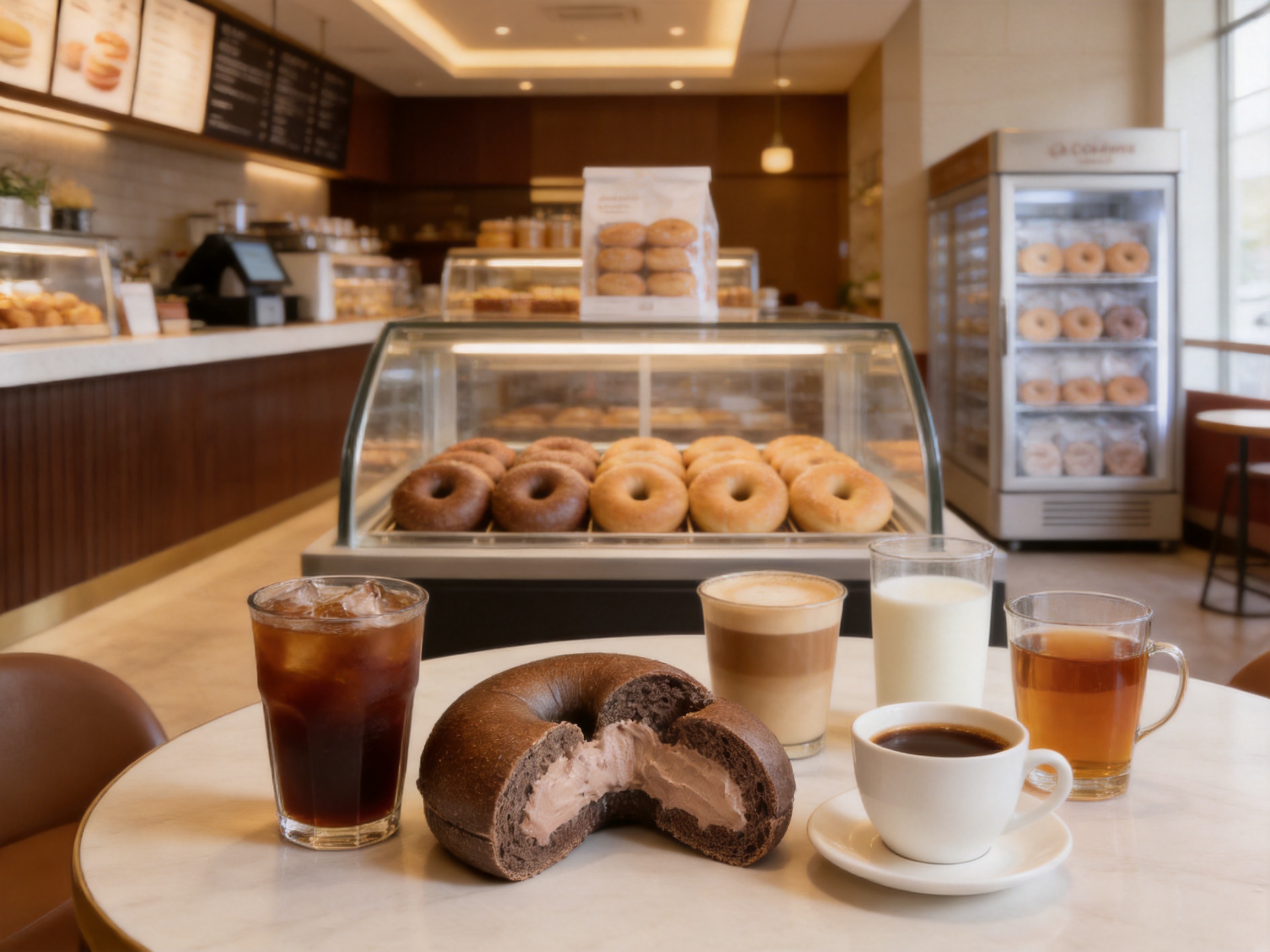
The cocoa chocolate cream cheese bagel combines a soft cocoa dough, a creamy chocolate-and-cream-cheese filling, and a convenient thaw-and-eat format in one compact product. Weighing 90 grams, it is positioned as a cold sandwich bagel suitable for breakfast, afternoon refreshment, café menus, bakery counters, retail freezer programs, and private-label foodservice applications.
What distinguishes this product is not simply the presence of chocolate. Its appeal comes from the way the cocoa is incorporated into the dough and how the filling is balanced. Malaysian-imported cocoa powder is kneaded directly into premium wheat flour, allowing the cocoa character to develop throughout the bagel rather than appearing only as a surface coating or a sweet filling. Inside, Anchor cream cheese is combined with chocolate to create a smooth, layered center with dairy richness, mild tang, cocoa depth, and a controlled sweetness level.
The product is also designed around ease of use. After thawing, it can be enjoyed without reheating. The filling softens into a delicate, almost ice-cream-like texture, while the cocoa bagel provides a fluffy and aromatic exterior. This combination gives foodservice operators a convenient item that can be served with minimal preparation and gives consumers a satisfying product for different occasions.
Beyond the individual product, the bagel reflects a broader manufacturing capability. The producer has specialized in bagel research and manufacturing since 2019 and operates an integrated supply chain covering raw materials, product research and development, production, and distribution. Its portfolio includes more than 100 clean-label bagel varieties developed for retail, foodservice, café chains, tea brands, and bakery operators.
For buyers seeking a frozen bagel that combines indulgent flavor with operational convenience, the cocoa chocolate cream cheese bagel offers a practical and differentiated solution.
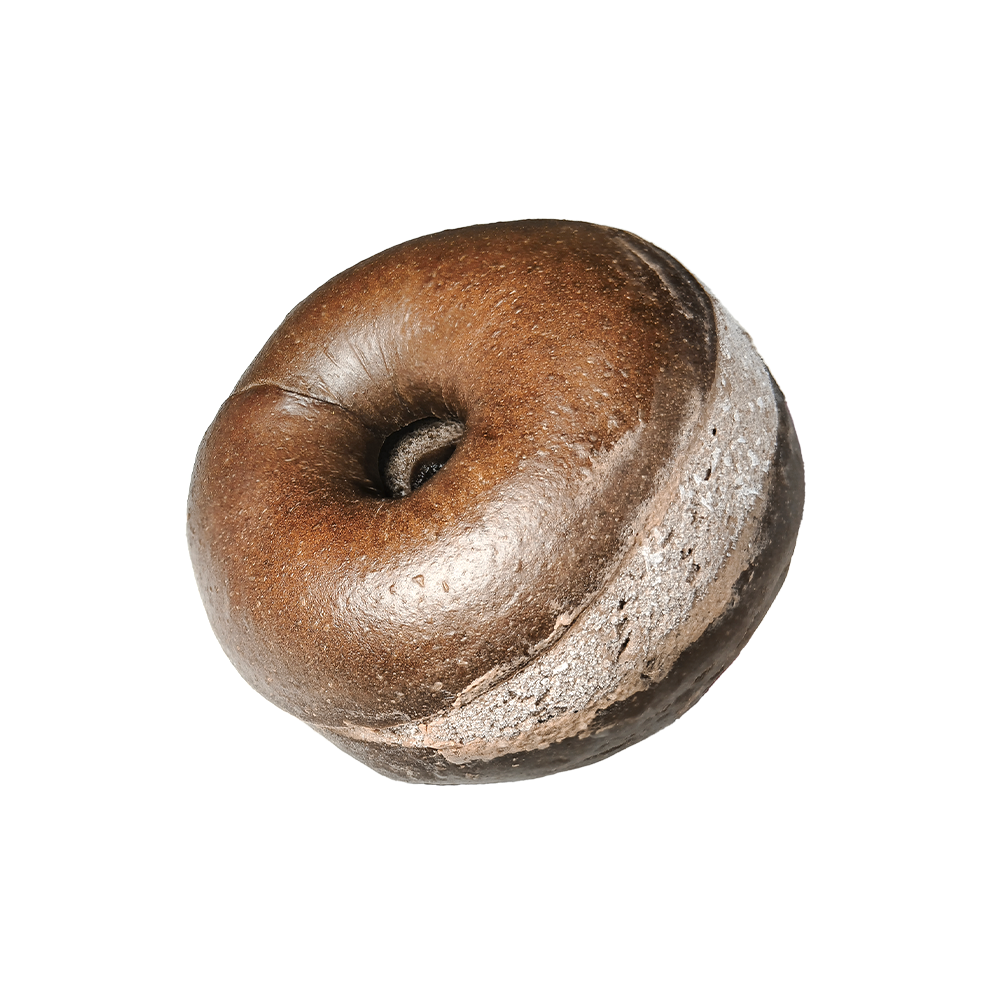
Cocoa Chocolate Cream Cheese Bagel
1. Product Overview and Market Position
The cocoa chocolate cream cheese bagel belongs to the cold sandwich bagel category. Unlike a traditional plain bagel served with a separate spread, it combines the bread and filling into a finished product. This format simplifies preparation and gives the consumer a consistent ratio of dough to filling in every serving.
At 90 grams, the product is substantial enough to function as a light breakfast, snack, dessert-style bakery item, or café accompaniment. Its portion size also supports standardized menu planning. Retailers and foodservice operators can calculate serving quantities, freezer capacity, inventory usage, and menu pricing with greater consistency than they can with products that vary significantly in size.
The product addresses several current needs in the frozen bakery market. Consumers increasingly look for products that are convenient but still feel special. Operators want items that can be stored efficiently, prepared quickly, and served with limited labor. Buyers also need flavor profiles that are recognizable but not overly complicated. Chocolate, cocoa, and cream cheese are familiar ingredients, yet their combination in a soft bagel creates a distinctive product experience.
Many conventional bagels emphasize chewiness, density, and a firm crust. Those characteristics are valuable in savory applications, but they can be less suitable for a dessert-inspired or cream-filled format. This product is developed to provide a softer, fluffier texture. The lighter structure allows the cocoa aroma and creamy filling to remain central to the eating experience rather than making the consumer work through a dense or overly chewy base.
The product can therefore occupy several positions in a commercial assortment. It may be marketed as a premium breakfast option, a chocolate bakery snack, a frozen café item, a children’s treat, an afternoon indulgence, or a private-label specialty bagel. Its versatility allows buyers to adapt the product to different channels without changing its basic preparation method.
| Product Attribute | Product Information | Commercial Benefit |
|---|---|---|
| Product type | Cold sandwich bagel | Combines bread and filling in a ready-to-serve format |
| Net weight | 90 grams | Supports portion control and standardized menu pricing |
| Dough profile | Cocoa dough made with Malaysian-imported cocoa powder | Creates a deeper and more integrated chocolate aroma |
| Filling | Anchor cream cheese blended with chocolate | Provides dairy richness, cocoa depth, and a gentle tang |
| Serving method | Thaw and eat; reheating is not required | Reduces preparation time and equipment dependence |
| Texture goal | Soft and fluffy bagel with a silky filling | Offers a more delicate alternative to dense, chewy bagels |
| Application range | Retail, café, bakery, foodservice, and private label | Allows use across multiple sales channels |
2. Cocoa Dough Built from the Base
The first major advantage of the product is the way cocoa is used. Instead of relying only on a chocolate filling, icing, or external coating, the formula incorporates Malaysian-imported cocoa powder into the dough during kneading. This creates a cocoa identity that begins at the base of the product.
When cocoa is distributed through the dough, the flavor is experienced from the first bite. The consumer does not encounter a plain bagel followed by an isolated burst of filling. Instead, the bread itself contributes a warm, roasted, aromatic character. This gives the product a more complete flavor profile and helps the chocolate filling feel integrated with the surrounding dough.
Cocoa contributes more than sweetness. High-quality cocoa can provide roasted notes, aromatic depth, mild bitterness, and a fuller finish. These characteristics are important in a filled bakery product because they help balance the richness of cream cheese and chocolate. Without a cocoa foundation, a chocolate-filled bread can taste primarily sweet. With cocoa in the dough, the product can offer greater dimension and a more mature chocolate profile.
The use of imported cocoa also supports a premium product story. Ingredient origin does not automatically determine quality, but it can help communicate attention to flavor development and formulation. In this application, the cocoa is not presented as a decorative claim. It is part of the dough structure and contributes directly to the sensory experience.
Compared with products that use a sweet chocolate spread inside a neutral bread, the cocoa bagel offers a more layered approach. The bread has its own identity, the filling adds creaminess, and the two components support one another. This allows the product to remain appealing even when consumed without toppings, sauces, or additional decoration.
Flavor Development Through the Dough
The dough is designed to deliver a deep but approachable cocoa character. Its flavor is described as aromatic, warm, toasty, and gently bitter, with a clean finish. This is important for everyday consumption. A product that is excessively sweet or intensely bitter may be attractive as an occasional novelty but less suitable for repeated purchase. The target profile here is more balanced: indulgent enough to feel special while remaining comfortable for breakfast or a routine snack.
The softness of the dough also influences flavor perception. A dense structure can suppress aroma release and make a product feel heavy. A softer and fluffier structure gives the cocoa aroma more opportunity to develop as the bagel is chewed. The result is a gentler release of flavor, allowing the consumer to perceive both the bread and the filling in sequence.
For commercial buyers, this integrated flavor profile can reduce the need for additional menu components. The product does not depend on whipped cream, syrup, fruit sauce, powdered sugar, or a separate spread to create interest. It can be served as supplied, helping operators maintain a cleaner presentation and a simpler ingredient list at the point of sale.
3. Balanced Chocolate and Cream Cheese Filling
The filling is the second defining feature of the product. Anchor cream cheese is blended with chocolate in a carefully controlled ratio. The objective is not to make one component overpower the other. Instead, the formula brings together the milky richness of cream cheese and the depth of chocolate.
Cream cheese contributes smoothness, buttery richness, and a mild tang that appears toward the finish. Chocolate contributes fullness, cocoa character, and a rounded sense of indulgence. When these flavors are balanced, the filling avoids the one-dimensional sweetness associated with some chocolate bakery products.
The mild tang of cream cheese is particularly useful in a sweet filling. Acidity can help refresh the palate and prevent richness from becoming tiring. It also creates a contrast with the cocoa notes in the dough. The consumer experiences a sequence of flavors: soft cocoa bread, creamy dairy richness, chocolate depth, and a light tang at the end.
This balance gives the product an advantage over fillings that rely exclusively on sugar or chocolate. A very sweet filling may dominate the dough and limit the occasions on which the product can be consumed. A cream cheese and chocolate filling is more flexible. It can be positioned as a breakfast pastry, a café snack, a dessert alternative, or a small personal reward.
A Creamy Center with Controlled Sweetness
The filling is formulated to provide a comfortable sweetness level rather than an overwhelming one. This distinction matters in markets where consumers are increasingly attentive to taste balance. A product can be indulgent without being excessively sugary, especially when cocoa bitterness and cream cheese tang are used to create contrast.
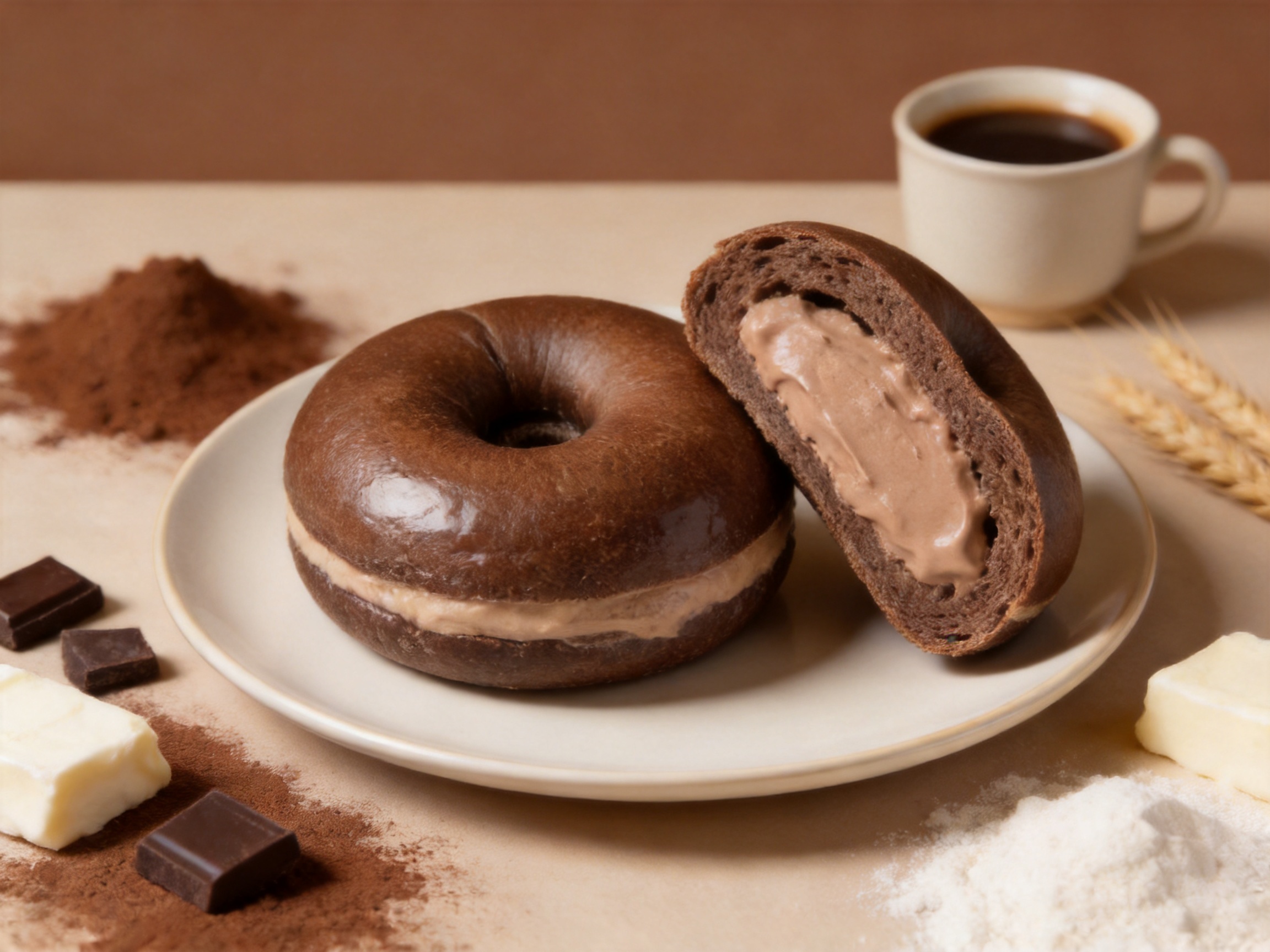
The filling also provides visual and textural contrast. The darker cocoa dough surrounds a lighter, creamy center, creating a clear cross-sectional appearance when the bagel is cut or bitten. This can support product photography, bakery display, café presentation, and social media content.
For operators, a pre-filled bagel can improve portion consistency. A separate spread station may produce variations in application, labor requirements, and serving appearance. With the filling built into the product, each unit is designed to deliver a repeatable combination of bread and cream cheese chocolate center.
4. Thaw-and-Eat Convenience
The product is designed for consumption after thawing, with no reheating required. This is one of its strongest operational advantages. Many frozen bakery products require an oven, toaster, microwave, or other heating equipment to achieve acceptable texture. This bagel is intended to become ready for consumption through thawing alone.
After thawing, the filling becomes very soft and silky, with an almost ice-cream-like mouthfeel. This texture creates a distinctive contrast with the fluffy cocoa bagel. The filling melts quickly on the palate, while the bread provides enough structure for easy handling and eating.
Thaw-and-eat service can simplify operations in cafés, hotels, convenience stores, office catering, bakeries, and retail environments. Staff can transfer the required quantity from frozen storage according to expected demand, allow the products to thaw under appropriate handling conditions, and serve them without waiting for oven capacity.
The format can also help businesses with limited kitchen infrastructure. A café, tea shop, or small bakery may not have the space or labor to prepare filled bakery items from scratch. A finished frozen product can extend the menu while reducing the number of preparation steps required on site.
Because the product is intended to be served cold or at a thawed temperature, it can also be presented in ways that differ from hot bakery goods. It may be sold from a chilled display, served alongside iced beverages, or included in a dessert-style assortment. The creamy filling is especially compatible with cold coffee, milk tea, tea beverages, smoothies, and other chilled drinks.
5. Texture as a Competitive Advantage
Texture is one of the most important factors in the success of a filled bagel. The product must be soft enough to complement the filling, yet stable enough to be handled, packaged, transported, thawed, and served. The cocoa chocolate cream cheese bagel is developed around this balance.
The dough is described as softer and fluffier rather than dense or excessively chewy. This characteristic differentiates it from traditional bagel styles that focus primarily on a firm crust and pronounced chew. While classic chewiness remains desirable for many bagel applications, a cream-filled cocoa bagel benefits from a more delicate structure.
A soft dough helps the filling remain the center of attention. If the bread is too dense, it can overpower the dairy and chocolate components. If it is too dry, the product may require a beverage or additional sauce. A fluffy texture supports a smoother transition between bread and filling, producing a more pastry-like experience while retaining the familiar bagel form.
Texture also affects perceived freshness. Consumers commonly associate softness, elasticity, and moisture with a recently prepared bakery product. A well-managed frozen bakery process can help provide a convenient product that still delivers a satisfying texture after thawing.
Texture Contrast Between Dough and Filling
The contrast between the two components is intentional. The outer cocoa dough offers structure and a light, fluffy bite. The filling is smoother, softer, and more rapidly melting. This creates a multi-stage eating experience rather than a uniform texture throughout.
Such contrast can improve perceived product quality. A consumer can identify the different components and understand why the product is distinctive. The bagel is not merely chocolate-flavored bread, and the filling is not merely a sweet paste. Together, they form a layered bakery item with a recognizable sensory progression.
For product developers and private-label buyers, this contrast provides a useful platform for future variations. The same soft cocoa dough concept could potentially be paired with other compatible fillings, while the cream cheese chocolate center could inspire related formats. A strong core product can therefore support broader assortment development.
6. Advantages Over Conventional Alternatives
The cocoa chocolate cream cheese bagel competes with several types of bakery products, including plain bagels with separate spreads, chocolate-filled pastries, sweet buns, cakes, and standard frozen bagels. Its advantages are based on integration, convenience, portion control, and flavor balance.
Compared with Plain Bagels and Separate Spreads
A plain bagel requires an additional spread, topping, or preparation step to create a complete flavor experience. The consumer or operator must open a package of cream cheese, apply the correct quantity, and manage the extra ingredient. The cocoa chocolate cream cheese bagel arrives as a finished combination.
This integrated format supports faster serving and more consistent presentation. It also reduces the risk of under-filling or over-filling. For retail consumers, it eliminates the need to purchase a separate spread. For foodservice operators, it reduces station complexity and labor.
Compared with Heavily Sweet Chocolate Pastries
Many chocolate pastries emphasize high sweetness, rich icing, or a buttery laminated structure. Those products can be appealing but may feel heavy or overly dessert-like for some consumption occasions. The cocoa bagel introduces chocolate through both the dough and filling while retaining the familiar shape and portion structure of a bagel.
The mild tang of cream cheese and the slight bitterness of cocoa help moderate the sweet profile. This makes the product suitable for consumers who want chocolate flavor but prefer a more balanced experience.
Compared with Dense Frozen Bagels
Some frozen bagels are developed primarily for reheating, toasting, or serving with savory toppings. Their dense structure may be appropriate for those uses but less suitable for a soft filling. This product is designed for thaw-and-eat service and a lighter mouthfeel.
The absence of a required reheating step also provides greater flexibility. Operators can serve it in environments where a toaster or oven is unavailable, or where heating would make the filling excessively fluid or alter the intended sensory profile.
Compared with Unfilled Bakery Products
An unfilled cocoa bun or chocolate bagel may provide flavor but lacks the creamy center that creates additional interest. The cream cheese chocolate filling increases the sensory complexity of the product and gives it a stronger premium impression.
| Comparison Factor | Integrated Cocoa Cream Cheese Bagel | Plain Bagel with Separate Spread | Sweet Chocolate Pastry | Conventional Frozen Bagel |
|---|---|---|---|---|
| Preparation | Thaw and serve | Spread application required | Often ready to serve but may require display handling | May require toasting or reheating |
| Flavor structure | Cocoa dough plus balanced cream cheese chocolate filling | Neutral dough plus separately added spread | Often dominated by sweetness or butter | Usually focused on bread flavor |
| Texture | Soft, fluffy dough with silky filling | Often firmer or chewier with adjustable spread | May be flaky, dense, or cake-like | Often designed for toasted firmness |
| Portion consistency | Built into each 90-gram unit | Depends on spread quantity | Usually standardized | Usually standardized |
| Menu flexibility | Breakfast, snack, café, dessert-style, retail | Primarily breakfast or sandwich use | Primarily snack or dessert use | Breakfast and sandwich use |
| Equipment dependence | Low; no reheating required | Low to moderate depending on service | Low but may need display controls | Moderate when toasting is preferred |
7. Manufacturing Strengths and Integrated Supply Chain
The product is supported by the manufacturing capabilities of Jiangsu Goobagel Food Technology Co., Ltd., a frozen bakery producer that has specialized in bagel research and manufacturing since 2019. The company operates a fully integrated supply chain covering raw materials, research and development, production, and nationwide distribution.
An integrated supply chain is valuable in the frozen bakery sector because product performance depends on more than the formula alone. Raw material selection, dough development, filling preparation, shaping, baking, freezing, packaging, storage, and distribution all influence the final eating experience. Coordinating these stages within one organized system can improve communication and support more consistent quality.
For a product such as the cocoa chocolate cream cheese bagel, coordination is especially important. The dough must provide the right level of softness and cocoa aroma. The filling must maintain its creamy character. The finished bagel must remain suitable for freezing, transportation, thawing, and service. Product development must therefore consider the complete journey from ingredient selection to consumer consumption.
Research and Development Capability
The company has developed more than 100 clean-label bagel varieties for different commercial applications. This breadth indicates experience in adapting bagels to varied flavor profiles, filling concepts, product sizes, and channel requirements.
A broad product portfolio can benefit buyers in several ways. It may shorten the process of evaluating new concepts, provide access to established formulations, and make it easier to build a coordinated product range. Buyers may choose a single product for a focused launch or develop a larger assortment containing sweet, savory, filled, and classic bagels.
Research and development also supports customization. OEM and private-label customers often need products adjusted for target consumers, serving formats, packaging requirements, or brand positioning. A manufacturer with experience across multiple bagel categories is better positioned to discuss formulation direction, filling combinations, product weight, and application needs.
Production and Process Coordination
The materials describe a production model that connects raw materials, product development, manufacturing, and distribution. This coordination can help reduce gaps between laboratory concepts and commercial production. A product must work not only as a small development sample but also as a repeatable frozen bakery item suitable for regular supply.
In the case of the cocoa chocolate cream cheese bagel, process coordination includes the integration of cocoa into the dough, the preparation of the cream cheese chocolate filling, the assembly of the filled bagel, and the management of the finished frozen product. Each stage contributes to the final balance of flavor and texture.
For commercial customers, repeatability is a major advantage. A successful foodservice product must deliver a similar experience from one shipment to the next. Stable quality supports menu planning, customer expectations, staff training, and brand confidence.
Distribution Support
The company’s nationwide distribution capability supports the movement of frozen bakery products through commercial channels. Frozen products require appropriate coordination between production, storage, transportation, and receiving. An organized distribution system helps buyers plan replenishment and maintain a reliable supply.
Reliability is particularly important for café chains, tea brands, and retail operators that need consistent availability across multiple locations. A product may have excellent flavor, but it cannot support a menu effectively if supply is irregular. Manufacturing and distribution strength therefore form part of the product’s commercial value.
8. Clean-Label Product Development
The manufacturer’s portfolio includes more than 100 clean-label bagel varieties. Clean-label expectations can vary by market and customer, so the term should be understood as part of a product development direction rather than a universal technical definition. In practical terms, it reflects an emphasis on understandable product concepts and carefully considered ingredient applications.
The cocoa chocolate cream cheese bagel follows a straightforward sensory logic: wheat flour, cocoa, cream cheese, chocolate, and a soft bakery structure. The product does not require an elaborate topping system or multiple decorative components to communicate its identity. This simplicity can help retailers and foodservice operators explain the product to consumers.
A clear product concept is also useful in private-label development. Retailers often need an item that can be described concisely on packaging, menus, and promotional materials. “Soft cocoa bagel with chocolate cream cheese filling” communicates the main experience quickly and accurately.
Clean-label development also encourages attention to ingredient function. Cocoa is used to build flavor in the dough. Cream cheese provides dairy richness and tang. Chocolate adds depth to the filling. Each major ingredient has a recognizable role, making the formulation easier to understand from a product storytelling perspective.
9. Applications Across Commercial Channels
Retail Freezer and Chilled Bakery
In retail, the bagel can be offered as an individual indulgent bakery item or as part of a multi-unit frozen assortment. Its 90-gram size supports easy portion communication. Retailers may position it near frozen breakfast products, specialty bakery items, dessert snacks, or premium filled breads.
The product’s thaw-and-eat design gives consumers a simple preparation message. After thawing, it can be enjoyed without a toaster or oven. This convenience can be especially attractive for consumers living in small households, working from home, preparing quick breakfasts, or looking for a snack that requires minimal effort.
Cafés and Coffee Shops
Cafés can serve the bagel as a companion to coffee, tea, cocoa, milk-based beverages, or cold drinks. The cocoa and cream cheese profile pairs naturally with both hot and cold beverages. Because the product is pre-filled, staff do not need to assemble a sandwich or apply a spread during service.
The bagel can be displayed as a premium snack or used in a breakfast combo. A café may serve it whole, cut it in half to reveal the filling, or plate it alongside a beverage. Its visible center can help create an attractive display when the product is sliced for service.
Tea Brands and Beverage Chains
Tea brands and beverage chains frequently need food items that complement drinks without requiring complex kitchen equipment. The cocoa cream cheese bagel can provide a richer accompaniment to tea, milk tea, coffee, or specialty cold beverages.
The product’s soft texture and controlled sweetness may work well with beverages that are already sweet. A balanced food item can add substance without creating an excessively sugary overall combination. Operators may also use it as an add-on item in digital ordering systems and combo promotions.
Hotels, Catering, and Institutional Foodservice
Hotels can include the bagel in breakfast displays, room-service assortments, meeting refreshments, or executive lounge offerings. Catering companies may use it in boxed breakfasts, afternoon snack sets, and dessert-style platters.
Its standardized weight and ready-to-serve format can simplify planning for larger groups. Operators can forecast the number of portions required, thaw the appropriate quantity, and reduce last-minute preparation. The product’s recognizable flavor also makes it accessible to a broad audience.
Bakery Operators
Independent bakeries and chain bakeries can use the item as a filled specialty bagel without developing the formula, sourcing every ingredient, or managing the entire production process themselves. It can serve as a complementary product alongside freshly baked breads, pastries, cakes, and savory sandwiches.
For bakeries with limited production capacity, a frozen finished product can expand the range of available items while preserving labor for higher-value in-house products. The bagel can also be tested in small quantities before a larger assortment decision is made.
10. OEM and Private-Label Potential
The manufacturer’s focus on OEM and private-label bagel solutions makes the product relevant to buyers that want to develop a branded bakery range. The cocoa chocolate cream cheese bagel can serve as a starting point for a private-label product with customized packaging, positioning, serving recommendations, or assortment strategy.
Private-label buyers often look for three qualities: a product that is distinctive enough to attract consumers, stable enough to support repeat sales, and practical enough for reliable supply. This bagel addresses those requirements through its recognizable flavor combination, standardized format, and frozen distribution model.
A buyer may position the product in several ways. It could become a premium breakfast bagel, a café-exclusive snack, a dessert-inspired frozen bakery item, or part of a broader collection of filled bagels. Packaging communication can emphasize the cocoa dough, cream cheese chocolate filling, soft texture, and thaw-and-eat convenience.
OEM development may also involve adjustments to target market preferences. Depending on commercial requirements, buyers may discuss sweetness direction, filling proportion, size, pack count, packaging presentation, or channel-specific serving instructions. Any such adjustments would need to be evaluated through formal product development and manufacturing review.
11. Quality, Consistency, and Commercial Reliability
Quality in frozen bakery is multidimensional. It includes ingredient performance, flavor consistency, texture after thawing, filling distribution, appearance, packaging integrity, and supply reliability. A product intended for commercial customers must perform consistently in real operating conditions rather than only in a controlled tasting session.
The cocoa chocolate cream cheese bagel has several design features that support commercial consistency. Its 90-gram unit size provides a defined portion. The filling is included during production rather than applied manually by each operator. The product is designed for thaw-and-eat service, reducing variation caused by different heating times or equipment settings.
Manufacturing experience also matters. Since 2019, the company has focused on bagel research and production, building knowledge across classic, stuffed, and sandwich-style products. Experience with more than 100 varieties can support the technical understanding needed to manage different doughs, fillings, and product applications.
For buyers, consistent performance can reduce waste. Products that require complex preparation may be damaged, overheated, under-thawed, or served inconsistently. A simple thaw-and-serve workflow can make staff training easier and help protect the intended sensory profile.
12. Serving and Merchandising Ideas
The bagel can be served whole for a convenient handheld experience. It may also be cut crosswise or lengthwise to display the filling. A visible cream cheese chocolate center can improve merchandising in bakery cases and provide a stronger visual explanation of the product.
For breakfast service, it can be paired with coffee, milk, tea, fruit, or yogurt. For afternoon service, it can be included with iced coffee, milk tea, cocoa, or a specialty tea beverage. For dessert-style menus, it can be plated with fresh fruit or a light dusting of cocoa, provided that any additional presentation is appropriate for the operator’s foodservice procedures.
Retail packaging may highlight four essential messages: cocoa dough, chocolate cream cheese filling, soft texture, and thaw-and-eat convenience. These points explain both the flavor and the practical benefit without requiring a long preparation statement.
For online retail and digital menus, a cross-sectional image can show the relationship between the cocoa exterior and creamy interior. Product descriptions should explain that the item is intended to be thawed before eating and does not require reheating.

13. Why the Product Fits Current Consumer Behavior
Consumers often want food that combines convenience with a sense of indulgence. A product that is too basic may not feel exciting, while a product that is too elaborate may be difficult to prepare or too heavy for routine consumption. The cocoa chocolate cream cheese bagel occupies a middle ground.
It offers a familiar format with a more distinctive flavor. The bagel shape is recognizable, but the cocoa dough and chocolate cream cheese center create additional interest. The product can be consumed at breakfast, during a break, after school, or as a small dessert without requiring a formal eating occasion.
The portion size also supports moderate indulgence. At 90 grams, it is large enough to feel satisfying but structured as a single serving. This can appeal to consumers who want a controlled treat rather than a large cake or multi-serving dessert.
The thaw-and-eat format aligns with modern routines. Consumers may have limited time in the morning, limited cooking equipment at work, or a preference for keeping convenient food in the freezer. A frozen bakery item that becomes ready after thawing can fit naturally into these circumstances.
14. A Practical Choice for Product Developers
For food developers, the product demonstrates how a familiar bakery format can be upgraded through coordinated formulation. The innovation is not based on an unusual shape or a complicated topping. Instead, it comes from the relationship between the dough, filling, texture, and preparation method.
The cocoa is used in the dough to establish a foundation. The cream cheese and chocolate filling adds richness and contrast. The soft texture makes the product suitable for cold consumption. The frozen format extends distribution and inventory flexibility. Each element supports the others.
This type of product architecture can be useful for companies building a broader filled bagel range. Once the manufacturing system is equipped to handle soft doughs, integrated fillings, and frozen distribution, it can potentially support multiple flavor concepts. The manufacturer’s existing portfolio of more than 100 varieties suggests experience with this kind of product diversification.
Product developers can also use the bagel as a reference point when evaluating future flavors. Possible directions may include other cocoa-based combinations, fruit-and-cream concepts, nut-inspired profiles, or savory dairy fillings. Any new concept would need to preserve the important principles demonstrated here: balanced flavor, compatible texture, stable filling, and convenient service.
15. Purchasing Considerations for Wholesale Buyers
Wholesale buyers should evaluate the product according to their intended channel. Retail buyers may focus on pack configuration, packaging communication, freezer presentation, and consumer preparation instructions. Café buyers may prioritize thawing workflow, service speed, beverage pairing, and portion economics.
Foodservice buyers should consider storage capacity, forecasted demand, thawing procedures, staff training, and menu placement. Because the product is designed to be served after thawing without reheating, the operational process can be relatively simple, but buyers should still establish handling procedures appropriate to their facilities and food-safety programs.
Private-label buyers may evaluate the product’s suitability for brand positioning, packaging design, assortment expansion, and target-market preferences. They may also consider whether the item should be sold as an individual serving, a multipack, or part of a mixed variety pack.
In every channel, buyers should assess the full commercial proposition rather than flavor alone. The strongest value comes from the combination of sensory differentiation, standardized portioning, frozen convenience, manufacturing experience, and supply-chain support.
16. Frequently Asked Questions
Q1: What is the cocoa chocolate cream cheese bagel?
It is a 90-gram cold sandwich bagel made with cocoa kneaded into the dough and filled with a blend of cream cheese and chocolate. It is designed to be thawed and eaten without reheating.
Q2: What gives the bagel its chocolate flavor?
The chocolate profile comes from two sources. Malaysian-imported cocoa powder is incorporated into the dough, while chocolate is blended with Anchor cream cheese to create the filling.
Q3: Is the product very sweet?
The product is designed around a balanced sweetness level. Cocoa contributes aromatic depth and a mild pleasant bitterness, while cream cheese contributes dairy richness and a subtle tang. These elements help prevent the overall flavor from becoming one-dimensionally sweet.
Q4: Does the product require an oven or toaster?
No reheating is required. The intended preparation method is thawing followed by consumption. Operators should follow the appropriate storage and handling procedures for their facilities.
Q5: What is the texture after thawing?
The cocoa bagel is intended to be soft and fluffy rather than dense and excessively chewy. The filling becomes smooth, silky, and very soft, with an almost ice-cream-like mouthfeel.
Q6: What makes the filling different from a standard chocolate spread?
The filling combines chocolate with cream cheese. This creates a layered profile that includes chocolate depth, milky richness, buttery smoothness, and a mild tang. It is designed to complement the cocoa dough rather than overpower it.
Q7: Which businesses can use this product?
The product is suitable for retail, cafés, tea brands, coffee shops, bakeries, hotels, catering companies, foodservice operators, and private-label programs.
Q8: Can it be served with beverages?
Yes. The cocoa and cream cheese profile pairs well with coffee, tea, milk tea, cocoa, iced coffee, and other hot or cold beverages. It can be offered as a breakfast item, snack, or beverage accompaniment.
Q9: Why is the 90-gram size useful?
A standardized 90-gram unit supports portion control, inventory planning, menu pricing, packaging design, and consistent service across locations.
Q10: What manufacturing capabilities support the product?
The manufacturer has specialized in bagel research and production since 2019. Its integrated supply chain covers raw materials, research and development, manufacturing, and distribution. The company has developed more than 100 bagel varieties for commercial applications.
Q11: Is the product available for OEM or private-label development?
The company provides OEM and private-label bagel solutions. Buyers can discuss product positioning, packaging, assortment planning, and potential development requirements according to their market and channel.
Q12: What is the primary competitive advantage of this bagel?
Its main advantage is the combination of integrated cocoa flavor, balanced chocolate cream cheese filling, soft texture, standardized portioning, and thaw-and-eat convenience. These features allow it to function as both a distinctive consumer product and a practical foodservice item.
17. Conclusion
The cocoa chocolate cream cheese bagel is a versatile frozen bakery product built around four central strengths: cocoa dough, balanced filling, soft texture, and convenient thaw-and-eat service. The use of Malaysian-imported cocoa powder in the dough creates a deeper and more integrated chocolate character than a product that depends only on a sweet filling. The combination of Anchor cream cheese and chocolate adds richness, smoothness, mild tang, and controlled sweetness.
Its soft and fluffy texture makes it particularly suitable for a filled bagel application. Rather than competing with the filling through excessive density or chewiness, the dough supports the creamy center and allows the cocoa aroma to develop gently. After thawing, the filling becomes silky and delicate, creating a memorable contrast with the bread.
From a commercial perspective, the product offers a simple service model. It does not require reheating, separate spreading, or complex assembly. Its 90-gram format supports portion consistency, menu planning, retail presentation, and inventory control. It can be positioned across breakfast, café, snack, dessert-style, and beverage-pairing occasions.
The manufacturing platform behind the product adds further value. Since 2019, the producer has focused on bagel research and manufacturing and has built an integrated system covering raw materials, product development, production, and distribution. With more than 100 clean-label bagel varieties developed for retail, foodservice, café chains, tea brands, and bakery operators, the company is equipped to support both individual product purchasing and broader OEM or private-label programs.
For buyers seeking a bagel that offers more than a conventional bread format, this product provides a complete solution: a recognizable category, a premium cocoa and dairy flavor combination, an appealing texture, and operational convenience suited to modern frozen bakery channels.
References
1. Product specification and sensory description for the 90-gram cocoa chocolate cream cheese bagel.
2. Manufacturer-provided company information concerning bagel research, manufacturing, product development, and distribution capabilities.
3. Manufacturer-provided information concerning OEM, private-label, retail, foodservice, café, tea brand, and bakery applications.
4. General frozen bakery product-development principles relating to dough structure, filling integration, thaw-and-eat service, portion control, and commercial foodservice operations.
5. General sensory evaluation principles relating to cocoa aroma, cream cheese richness, chocolate depth, sweetness balance, texture contrast, and consumer eating occasions.
