
 中文简体
中文简体
 English
postmaster@goobagelfood.com
Content
- 1 A Product Built Around a Clear Grain Foundation
- 2 Real Cranberries for a More Recognizable Fruit Experience
- 3 Low-Fat Positioning for Contemporary Eating Habits
- 4 Resilient Outside, Tender Inside
- 5 How the Product Compares with Common Bagel Alternatives
- 6 Manufacturing Strengths Behind a Consistent Product
- 7 Research and Development as a Commercial Advantage
- 8 Frozen Bakery Production for Reliable Supply
- 9 Clean-Label Development and Ingredient Transparency
- 10 Applications Across Retail and Foodservice
- 11 Pairing Ideas That Expand Menu Value
- 12 Packaging, Portioning, and Operational Considerations
- 13 OEM and Private-Label Opportunities
- 14 Quality, Consistency, and Supply Reliability
- 15 Why the Product Stands Out in a Competitive Category
- 16 Brand and Market Positioning Recommendations
- 17 Working with an Experienced Chinese Bagel Manufacturer
- 18 Buyer Checklist for Product Evaluation
- 19 Q&A
- 19.1 What makes the Healthy And Low-Fat Cranberry Bagel different from a plain bagel?
- 19.2 Is the product intended to taste like a pastry?
- 19.3 How does the low-fat formula benefit foodservice operators?
- 19.4 Can the bagel be used for sandwiches?
- 19.5 What type of businesses can purchase the product?
- 19.6 Is it supplied as a frozen bakery product?
- 19.7 Can the product be customized for private-label use?
- 19.8 Does the product contain real cranberries?
- 19.9 How should the cranberry flavor be described to customers?
- 19.10 Is the product suitable for post-workout eating?
- 19.11 What manufacturing strengths support the product?
- 19.12 What should an importer confirm before purchasing?
- 20 Conclusion
- 21 References
- 22 Product: Healthy And Low-Fat Cranberry Bagel
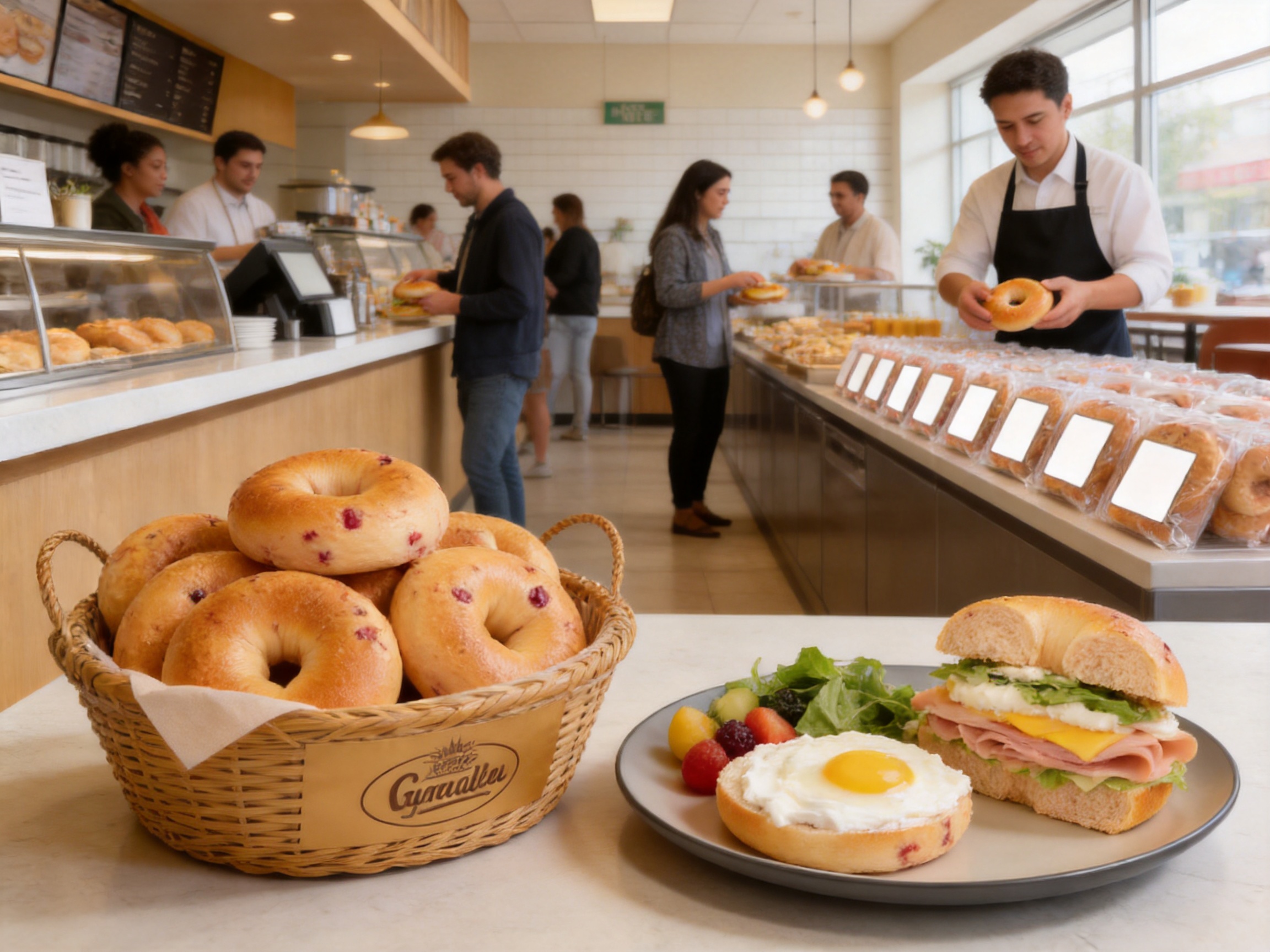
The bagel has evolved far beyond its traditional role as a simple breakfast bread. Today, consumers expect bakery products to deliver satisfying texture, recognizable ingredients, convenient preparation, and a better nutritional profile. Foodservice operators, retailers, café chains, and bakery businesses are also looking for products that are easy to store, consistent to prepare, flexible to serve, and distinctive enough to attract repeat customers.
The Healthy And Low-Fat Cranberry Bagel addresses these requirements through a balanced combination of premium wheat, real dried cranberries, a low-fat formula, and a classic bagel structure. It is designed to provide a dependable grain foundation, a pleasant sweet-tart fruit accent, and a resilient exterior with a tender interior. This combination allows the product to perform across breakfast menus, light meals, snack occasions, café applications, and post-workout eating.
For commercial buyers, the product also represents more than a flavored bagel. It is a practical solution for businesses seeking a distinctive frozen bakery item that can be incorporated into multiple menu concepts. Its flavor profile is familiar but not ordinary, its appearance can support attractive merchandising, and its texture gives customers the substantial eating experience commonly associated with a traditional bagel.
A Product Built Around a Clear Grain Foundation
The quality of a fruit bagel begins with the dough rather than the fruit. If the base is weak, overly sweet, bland, or structurally inconsistent, the added ingredients cannot create a truly balanced product. The Healthy And Low-Fat Cranberry Bagel begins with high-quality wheat selected to establish a clean and dependable grain profile.
This wheat foundation contributes a warm, full-bodied aroma that gives the product its primary identity. The grain character is noticeable before the cranberry flavor develops, helping the bagel maintain a classic bakery impression rather than becoming a sweet bun with fruit pieces. This distinction is important for consumers who enjoy the chew and substance of a bagel but want more flavor variety than a plain or sesame version can provide.
A clean wheat base also creates a stable platform for different serving styles. The bagel can be toasted and served with a mild spread, paired with yogurt or fresh fruit, used as a carrier for lean proteins, or enjoyed without elaborate toppings. Because the underlying flavor is balanced, it can complement rather than compete with other ingredients.
For retailers and foodservice buyers, this versatility improves the product’s commercial potential. A single stock-keeping unit can support several consumption occasions, reducing the need to develop completely separate products for breakfast, snacking, and light meal applications.
Real Cranberries for a More Recognizable Fruit Experience
Cranberry is a particularly effective ingredient for a modern bagel because it offers both brightness and familiarity. Its natural sweet-tart character can make a wheat-based product feel more interesting without requiring an excessively sweet formula. In the Healthy And Low-Fat Cranberry Bagel, real dried cranberries are generously folded into the dough to provide visible and flavorful fruit presence.
The eating experience is designed to develop in stages. The first impression is the warm aroma and full flavor of toasted wheat. As the customer chews, the cranberry contributes gentle acidity, soft fruit sweetness, and a lingering finish. This progression creates a more layered experience than a bagel flavored only with surface seasoning or artificial fruit notes.
Ingredient distribution is also important. When dried fruit is used in too small a proportion, customers may encounter only occasional pieces, making the product feel inconsistent. A generous inclusion helps the cranberry character appear throughout the bagel, ensuring that the fruit is part of the product’s identity rather than a minor accent.
The cranberry flavor also has broad consumer appeal. It can be positioned as a wholesome fruit addition, a seasonal flavor, a premium breakfast choice, or a colorful bakery option. Its deep red color can create visual contrast within the light wheat crumb, supporting attractive product presentation after slicing.
Compared with plain bagels, the cranberry format provides more immediate flavor differentiation. Compared with heavily sweetened pastries, it offers a more restrained and bread-centered experience. Compared with products relying on strong flavor coatings, it integrates the fruit into the dough for a more natural and cohesive bite.

Healthy And Low-Fat Cranberry Bagel
Low-Fat Positioning for Contemporary Eating Habits
Consumers are increasingly attentive to how bakery products fit into their overall eating patterns. Many people still want the comfort and convenience of bread, but they may also prefer products that are less heavy, less oily, and easier to combine with fresh or protein-rich foods. The low-fat approach of this cranberry bagel responds to that preference while preserving the substantial character expected from a bagel.
A low-fat formula does not need to mean a thin or unsatisfying product. The structure of a well-made bagel comes primarily from its dough development, baking performance, and moisture balance. By emphasizing wheat quality and a resilient bagel structure, the product can remain filling and satisfying without relying on a rich, high-fat formulation.
This positioning gives commercial customers several ways to communicate with their target audiences. Retailers may place the bagel within better-for-you bakery ranges. Cafés can recommend it as a lighter breakfast base. Fitness-oriented businesses can pair it with yogurt, lean protein, egg, or fresh greens. Hotels and corporate dining programs can offer it as a dependable breakfast option that suits a broad range of preferences.
The product should be presented responsibly as part of a balanced diet. Its low-fat formula is one feature of the recipe, not a substitute for complete nutritional guidance. Nevertheless, it provides a meaningful point of difference in a category where many flavored bakery items are perceived as indulgent or overly rich.
Resilient Outside, Tender Inside
Texture is one of the defining characteristics of a successful bagel. Customers expect a bagel to have more bite and structure than ordinary sliced bread, while still offering a pleasant interior that is not dry or excessively dense. The Healthy And Low-Fat Cranberry Bagel is designed around this contrast: a resilient exterior and a tender interior.
The outside provides the familiar bagel sensation. It can respond well to toasting, creating a firmer surface and a warm roasted aroma. The interior remains soft enough to support comfortable chewing and to absorb or carry spreads and fillings. This combination makes the product suitable for both simple and customized serving formats.
Texture consistency is especially valuable in commercial environments. A product that performs predictably allows staff to follow standardized preparation steps. It also helps customers know what to expect each time they purchase the item. For multi-location cafés and foodservice operators, this repeatability can support menu consistency and brand satisfaction.
The cranberry pieces contribute another textural dimension. Their presence interrupts the uniformity of the crumb with small, tender fruit portions. This creates a more engaging bite without transforming the product into a cake-like pastry. The result remains recognizable as a bagel while offering additional sensory interest.
How the Product Compares with Common Bagel Alternatives
Product comparison should focus on meaningful differences in formulation, eating experience, and commercial application. The Healthy And Low-Fat Cranberry Bagel is not intended to replace every bagel type. Instead, it occupies an attractive middle ground between a classic bread-centered bagel and a sweet fruit bakery item.
| Comparison Area | Healthy And Low-Fat Cranberry Bagel | Plain Bagel | Highly Sweetened Fruit Pastry |
|---|---|---|---|
| Primary flavor | Toasted wheat with sweet-tart cranberry | Traditional grain flavor | Strong sweetness with fruit or sugar emphasis |
| Texture objective | Resilient outside and tender inside | Classic chewy structure | Usually softer, cakier, or more delicate |
| Flavor differentiation | Fruit pieces integrated throughout the dough | Relies mainly on toppings or spreads | Often relies on filling, glaze, or sweet coating |
| Fat positioning | Low-fat formula | Varies by recipe | May be perceived as richer because of added fats or toppings |
| Serving flexibility | Breakfast, snack, light meal, café menu, post-workout pairing | Breakfast and sandwich use | Primarily snack or indulgent treat |
| Commercial advantage | Supports better-for-you and premium fruit positioning | Broad familiarity but limited differentiation | Strong indulgence appeal but narrower everyday use |
Against a plain bagel, the cranberry version offers a stronger sensory identity and more visible ingredient appeal. It can attract customers who want something beyond a standard bread flavor while still retaining the substantial quality associated with a bagel.
Against a sweet pastry, it provides a more balanced and meal-compatible profile. The product can be served with savory or lightly sweet accompaniments, whereas a heavily sweetened pastry may be less suitable for sandwiches, protein pairings, or health-oriented menus.
Against fruit breads that lack bagel structure, it provides greater chew and holding strength. This is valuable when the product must be sliced, toasted, filled, packaged, or transported before consumption.
Manufacturing Strengths Behind a Consistent Product
The product is manufactured by Jiangsu Goobagel Food Technology Co., Ltd., a frozen bakery producer specializing in bagel research and manufacturing since 2019. The company operates an integrated supply chain that covers raw materials, research and development, production, and nationwide distribution.
This integrated model supports closer coordination between product design and production execution. A product concept can be evaluated not only for flavor but also for dough behavior, baking performance, freezing stability, storage requirements, preparation convenience, and suitability for commercial distribution.
For buyers, this is an important strength. A supplier that understands the entire path from ingredient selection to finished distribution is better positioned to address practical problems such as texture changes, inconsistent fruit distribution, variable sizing, or preparation difficulties. Product development can be approached as a complete system rather than as an isolated recipe exercise.
Goobagel Food has developed more than 100 clean-label bagel varieties for retail, foodservice, café chains, tea brands, and bakery operators. This breadth indicates experience with different flavor directions, product formats, customer expectations, and operating environments. The company’s product portfolio can also support buyers seeking multiple bagel varieties from one manufacturing partner.
The company’s stated emphasis on stable quality, consistent performance, and reliable supply is particularly relevant to commercial customers. Retailers need products that can be replenished with predictable specifications. Café chains need the same texture and preparation behavior at different locations. Foodservice operators need products that can be stored and prepared efficiently without excessive variation.
Research and Development as a Commercial Advantage
Bagel manufacturing requires more than combining flour, water, yeast, and flavor ingredients. Each addition can influence dough handling, moisture distribution, fermentation, baking, freezing, thawing, slicing, and toasting. Fruit ingredients are especially important because their size, moisture, sweetness, and distribution can affect the finished product.
A capable research and development team must consider how the cranberry performs throughout the production cycle. The fruit should remain recognizable after baking, contribute flavor without overwhelming the wheat base, and distribute sufficiently through the dough. The team must also consider how the final product behaves after frozen storage and during customer preparation.
The development of more than 100 bagel varieties provides a broad foundation for this work. Experience across multiple formulations can help the manufacturer understand how different ingredients interact with the bagel structure. It can also support customization for buyers that need particular flavors, formats, packaging arrangements, or application-specific characteristics.
For private-label and original equipment manufacturing customers, product development capability is often as important as production capacity. Buyers may want to adjust sweetness, fruit intensity, portion size, packaging, or serving recommendations. A manufacturer with established research capabilities can participate in this process more effectively than a supplier focused only on standard production.
The Healthy And Low-Fat Cranberry Bagel demonstrates this development approach through its deliberate balance of grain, fruit, texture, and health-conscious positioning. It is not simply a plain bagel with a small amount of cranberry added. Its formula is designed around a complete eating experience.
Frozen Bakery Production for Reliable Supply
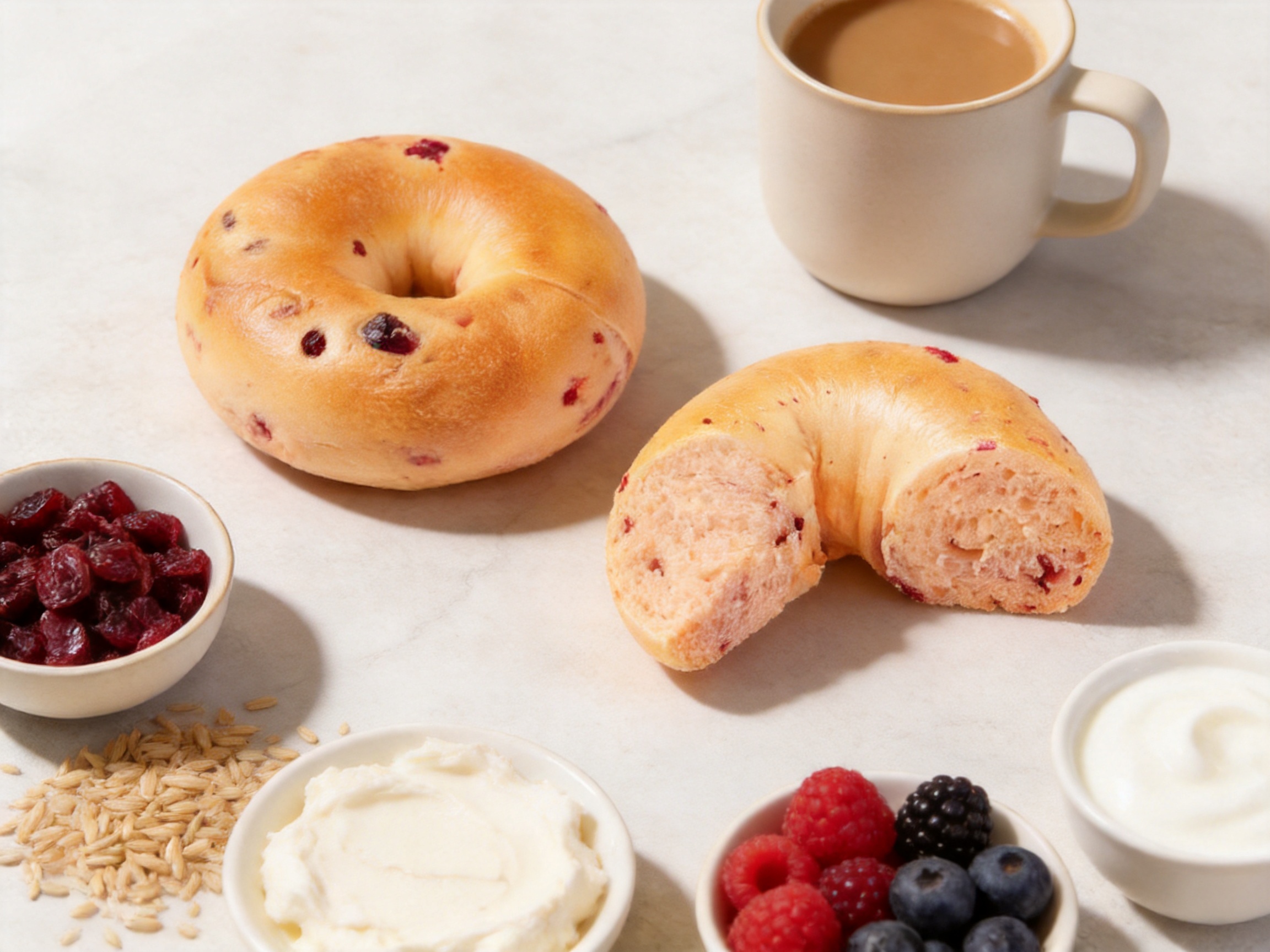
Frozen bakery products offer practical advantages for modern distribution and foodservice. They can be manufactured in planned production cycles, transported through established cold-chain systems, stored according to appropriate conditions, and prepared closer to the point of sale. This model can reduce the pressure on every customer location to produce bakery items from raw ingredients.
For a café or restaurant, frozen bagels can simplify labor planning. Staff members do not need to carry out the full dough-making process, and preparation can be integrated into existing kitchen or bakery routines. For retailers, frozen formats can provide access to a broader range of bakery products without requiring in-store manufacturing equipment.
Frozen distribution also supports menu consistency. When the product is supplied in a standardized format, multiple stores can work from the same base item. This can help operators maintain the intended flavor and texture while adapting preparation to local workflows.
Goobagel Food’s role as a modern frozen bakery producer gives it a suitable foundation for serving these commercial needs. Its integrated supply chain and nationwide distribution experience support the movement of products from manufacturing facilities to business customers across different regions.
Cold-chain management remains essential to frozen bakery quality. Commercial buyers should follow the supplier’s storage, handling, and preparation instructions carefully. Proper temperature control, organized inventory rotation, and appropriate packaging practices help preserve the intended product performance.
Clean-Label Development and Ingredient Transparency
Clean-label expectations continue to influence purchasing decisions in retail and foodservice. Consumers increasingly want to understand what they are eating, and businesses want products that can be explained clearly on menus, shelves, and promotional materials.
The company describes its bagel portfolio as clean-label oriented. In the case of the Healthy And Low-Fat Cranberry Bagel, the core product story is straightforward: wheat provides the grain backbone, real dried cranberries supply the fruit element, and the low-fat formula supports a more health-conscious position.
A clear ingredient story can make marketing easier. Instead of relying on complicated claims, operators can communicate the product in simple sensory language: a wheat-based bagel with real cranberries, a satisfying chew, and a lighter formulation. This type of explanation is accessible to consumers and adaptable to different channels.
Ingredient transparency should always be supported by accurate product specifications, allergen information, nutritional data, and regulatory review for the target market. Commercial buyers should confirm all labeling details with the manufacturer before publication or sale.
Applications Across Retail and Foodservice
Retail Bakery Sections
In retail, the Healthy And Low-Fat Cranberry Bagel can be positioned within frozen bakery, better-for-you breakfast, fruit bakery, or premium bagel categories. Its color and fruit inclusion can help distinguish it from plain, whole wheat, or seeded products.
Packaging can emphasize several complementary benefits: a classic bagel texture, real dried cranberries, a wheat-based recipe, and low-fat positioning. Retailers may also highlight preparation flexibility, such as toasting and pairing with cream cheese, yogurt, or fresh fruit.
Because the product has both everyday and premium qualities, it can appeal to shoppers seeking a regular breakfast item as well as those looking for a small variation from standard bread products.
Cafés and Coffee Shops
Cafés can use the bagel as a standalone breakfast item or as part of a combination meal. A simple toasted cranberry bagel with a light spread can be prepared quickly. It can also be paired with coffee, tea, smoothies, or yogurt-based beverages.
The fruit profile complements café menus because it provides a gentle sweetness without requiring icing, glaze, or complicated finishing. This can support faster service and simpler inventory management.
Café operators may also create seasonal presentations by pairing the cranberry bagel with autumn beverages, winter fruit combinations, or limited-time spreads. The product’s familiar wheat base makes it approachable, while the cranberry provides enough distinction for promotional use.
Breakfast and Hotel Service
Breakfast buffets and hotel dining programs benefit from products that are easy to portion, toast, replenish, and pair with multiple toppings. The cranberry bagel can sit alongside plain, multigrain, or savory bagel options to give guests a broader selection.
Its fruit flavor may be particularly attractive to guests who prefer a lightly sweet breakfast but do not want a cake, pastry, or heavily glazed item. It can be served with cream cheese, butter alternatives, yogurt, fresh fruit, or lean breakfast proteins.
Tea Brands and Snack-Oriented Businesses
Tea shops and snack brands can use the product as a substantial accompaniment to beverages. The cranberry flavor works naturally with black tea, fruit tea, herbal tea, and milk-based drinks. A sliced and toasted portion can provide a more filling alternative to cookies or small pastries.
Because the product can be presented as both a bakery item and a better-for-you snack, it offers flexibility for businesses expanding beyond beverages.
Fitness and Wellness-Oriented Menus
The low-fat formulation and substantial wheat-based structure make the product suitable for wellness-oriented menu concepts. It can be served with yogurt, fresh greens, lean proteins, eggs, or other ingredients selected by the operator.
It is important not to overstate the product’s nutritional benefits without complete product data. However, the formula gives businesses a credible foundation for positioning the bagel within balanced breakfast and snack choices.
Pairing Ideas That Expand Menu Value
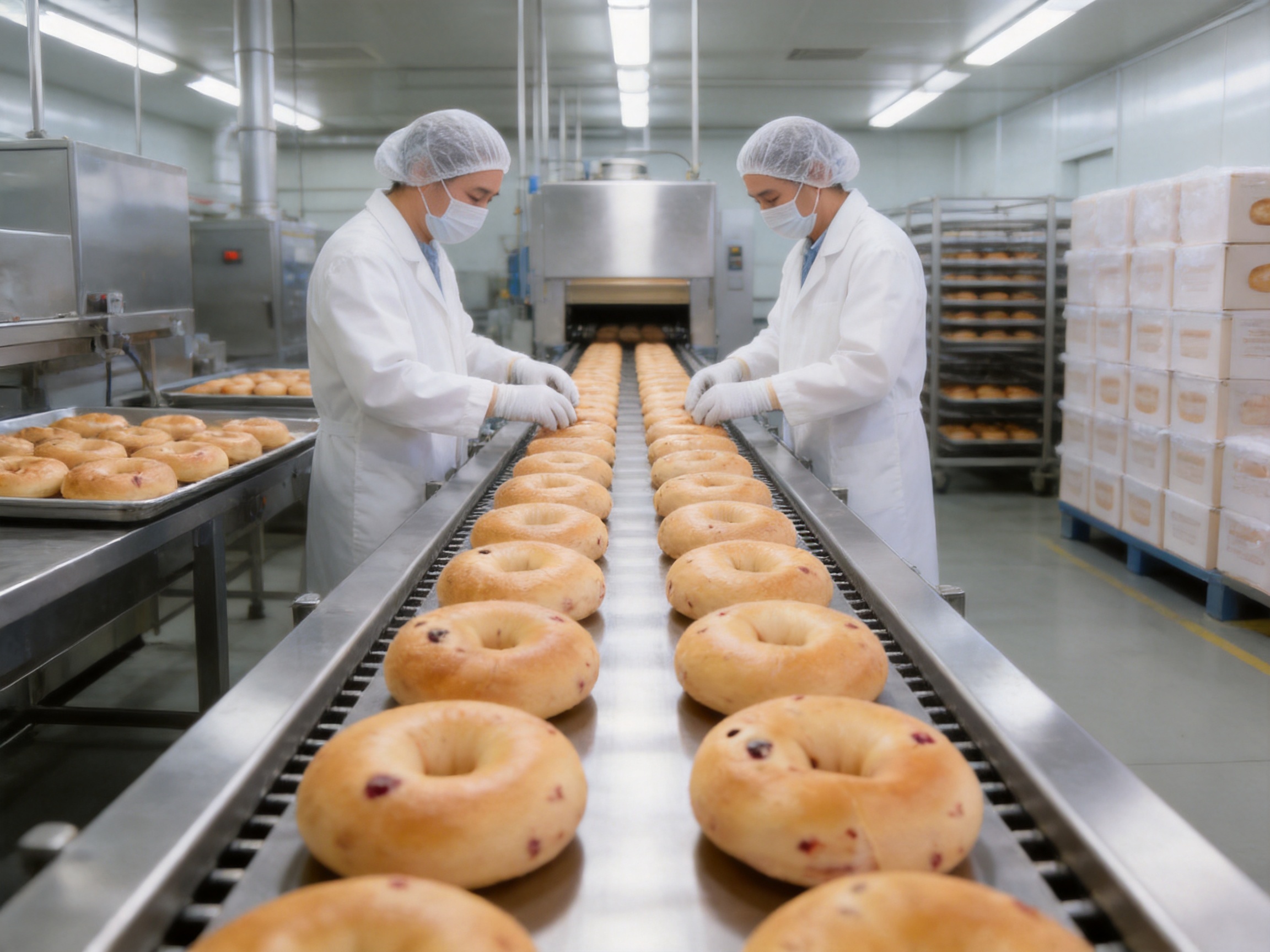
The product’s versatility is one of its strongest commercial advantages. A bagel that works with only one topping has limited menu potential. The cranberry bagel can support a wide range of pairings because its flavor is neither completely neutral nor excessively sweet.
Light Dairy Pairings
Cream cheese is an obvious pairing, but operators can vary the experience by using whipped cream cheese, reduced-fat cream cheese, yogurt-based spreads, or soft cheese with a mild flavor. These options allow businesses to offer different price points and nutritional positions.
Fruit and Grain Pairings
Fresh apple, pear, strawberry, blueberry, or banana can reinforce the fruit character. Nuts and seeds can add contrast, while oats or granola can support a wholesome breakfast presentation. The cranberry’s acidity can help balance ingredients that are creamy or mildly sweet.
Protein Pairings
Egg, turkey, chicken, tofu, or other lean proteins can create a more substantial meal. The wheat base provides enough structure for sandwich use, while the cranberry offers a subtle sweet-tart contrast to savory ingredients.
Fresh Green Pairings
Leafy greens, cucumber, tomato, and mild herbs can create a fresh and colorful sandwich. For a breakfast or lunch menu, the combination of grain, fruit, vegetables, and protein can make the bagel more versatile than a conventional sweet bakery item.
Packaging, Portioning, and Operational Considerations
Commercial success depends on more than recipe quality. The product must fit the customer’s storage, preparation, merchandising, and service systems. Frozen bagels can be particularly useful when packaging and portioning are designed for operational efficiency.
Buyers should evaluate case configuration, individual or grouped packaging, product dimensions, weight, storage requirements, thawing guidance, heating instructions, and shelf-life information. These details influence labor costs, inventory planning, waste levels, and customer satisfaction.
Portion consistency is valuable for menu costing. When each bagel has a dependable size and weight, operators can calculate topping quantities, selling prices, and nutritional information more accurately. It also helps maintain a consistent visual presentation across multiple locations.
For retail, packaging should protect the product during frozen storage and transportation while providing enough information for shoppers to make an informed decision. For foodservice, packaging should support efficient case handling and clear product identification in storage areas.
Because requirements vary by market, buyers should work directly with Jiangsu Goobagel Food Technology Co., Ltd. to confirm specifications, packaging options, minimum order quantities, and private-label capabilities.
OEM and Private-Label Opportunities
Many businesses want to develop bakery products under their own brand identity. An OEM or private-label partner can help them enter the bagel category without building their own manufacturing facility.
Goobagel Food’s research, manufacturing, and distribution capabilities create a foundation for this type of cooperation. A customer may begin with an existing product such as the Healthy And Low-Fat Cranberry Bagel and explore adjustments to branding, packaging, portion format, or market positioning.
Private-label buyers may include supermarket groups, café chains, hotel operators, tea brands, food distributors, and specialty bakery businesses. Each customer can have different requirements concerning packaging language, delivery schedules, product dimensions, ingredient declarations, and target price points.
A strong private-label program requires structured communication. The buyer and manufacturer should agree on product specifications, approval samples, packaging artwork, quality standards, logistics, and documentation before commercial production. The manufacturer’s integrated approach can help coordinate these stages more efficiently.
The cranberry bagel is particularly suitable for private-label development because its identity is clear but adaptable. It can be positioned as a wholesome breakfast product, a premium fruit bagel, a café staple, or a better-for-you frozen bakery item depending on the customer’s brand strategy.
Quality, Consistency, and Supply Reliability
Commercial customers generally judge a bakery supplier by repeated performance rather than by a single successful shipment. A product must maintain its intended appearance, flavor, texture, and preparation behavior over time.
Goobagel Food emphasizes stable quality, consistent performance, and reliable supply. These priorities are aligned with the needs of businesses operating across multiple sites or serving large customer groups. Consistency helps reduce complaints, simplify training, and protect the reputation of the retailer or foodservice brand.
Reliable supply is also important when a product becomes part of a regular menu. A café may invest in promotional materials, staff training, and customer expectations around a particular bagel. If supply is unpredictable, the commercial value of the product decreases. An experienced frozen bakery manufacturer can help businesses plan recurring orders and distribution more effectively.
Quality assurance should include appropriate controls for raw material receiving, dough preparation, ingredient distribution, baking, cooling, freezing, packaging, storage, and shipping. Specific procedures and certifications should be verified directly with the manufacturer for each project and destination market.
Why the Product Stands Out in a Competitive Category
The bagel market includes many familiar choices, but not every product achieves balance. Some are highly differentiated but difficult to pair with other foods. Some have a health-oriented message but lack satisfying texture. Others provide a classic chew but offer little flavor innovation.
The Healthy And Low-Fat Cranberry Bagel combines four advantages in one format:
First, it preserves the recognizable identity of a bagel through a wheat-centered flavor and resilient exterior.
Second, it adds real dried cranberries in a meaningful proportion, creating a visible and flavorful point of difference.
Third, it uses a low-fat formula that supports contemporary better-for-you positioning without turning the product into a delicate pastry.
Fourth, it is produced within an integrated frozen bakery system designed for commercial consistency and distribution.
This combination gives the product a broader competitive position than a bagel relying on only one selling point. It can be marketed for flavor, texture, convenience, health-conscious eating, or menu flexibility depending on the customer segment.
The product also avoids a common category problem: excessive sweetness. The cranberry contributes sweetness, but its gentle tartness keeps the profile balanced. This allows the bagel to move between sweet and savory applications, giving operators more opportunities to use it throughout the day.
Brand and Market Positioning Recommendations
Businesses can position the product in several ways, but the most effective communication should remain focused and credible. A practical message might describe it as a wheat-based bagel with real cranberries, a satisfying chew, and a low-fat formula.
For retail customers, visual communication can focus on the fruit pieces and the contrast between the golden exterior and light interior. Serving suggestions can show the bagel toasted with a light spread, yogurt, fresh fruit, or lean protein.
For cafés, the product can be promoted as a convenient breakfast or snack pairing. Menu language should be concise and sensory, emphasizing toasted wheat, cranberry brightness, and tender texture.
For health-oriented customers, operators can mention the low-fat formulation while avoiding unsupported claims such as weight-loss benefits, fitness performance guarantees, or medical outcomes. Accurate nutritional information should be used whenever specific nutrition claims are made.
For private-label brands, the product can support a broader portfolio strategy. A company might offer a plain bagel for traditional customers, a savory flavor for lunch applications, and the cranberry bagel for fruit-oriented or better-for-you occasions.
Working with an Experienced Chinese Bagel Manufacturer
Jiangsu Goobagel Food Technology Co., Ltd. is based in Wuxi, Jiangsu Province, China, and has specialized in bagel research and manufacturing since 2019. Its focus on bagels allows the company to build product knowledge within a defined category rather than treating bagels as a minor addition to a general bakery portfolio.
The company’s stated vision is to strive for a better life. Its mission emphasizes high-quality and healthy products for customers and opportunities for partners to realize their ambitions. Its values include persistence, craftsmanship, respect, and science.
These principles are relevant to the product development process. Persistence supports ongoing improvement. Craftsmanship supports attention to dough, baking, texture, and ingredient distribution. Respect supports cooperation with customers and partners. Science supports structured research and product evaluation.
The company’s location in Jiangsu also places it within an established Chinese food manufacturing region with access to industrial infrastructure, logistics networks, ingredient supply, and domestic distribution channels. International buyers should evaluate export documentation, destination-market compliance, shipping arrangements, and cold-chain requirements as part of the sourcing process.
Buyer Checklist for Product Evaluation
Before placing a commercial order, buyers should request complete information about the Healthy And Low-Fat Cranberry Bagel. A structured evaluation can include the following areas:
Product specifications: Confirm dimensions, weight, shape, cranberry inclusion, packaging format, case quantity, and storage conditions.
Preparation performance: Test thawing, toasting, reheating, slicing, and sandwich assembly under actual operating conditions.
Sensory quality: Evaluate wheat aroma, cranberry distribution, sweetness, tartness, chew, tenderness, appearance, and aftertaste.
Nutrition and labeling: Obtain the official ingredient statement, allergen declaration, nutrition facts, and any applicable market documentation.
Supply planning: Review production lead time, minimum order quantity, order frequency, shipping method, and cold-chain requirements.
Customization: Discuss private-label packaging, branding, portion changes, flavor adjustments, and product development options.
Quality management: Ask about manufacturing controls, traceability, handling procedures, and documentation available for the target market.
Customer service: Establish communication procedures for samples, approvals, forecasting, order updates, and issue resolution.
A sample evaluation should involve more than tasting the product immediately after preparation. Buyers should also consider how it performs during a realistic service period, how long it maintains acceptable texture, and how easily staff can prepare it according to written instructions.
Q&A
What makes the Healthy And Low-Fat Cranberry Bagel different from a plain bagel?
The product combines the traditional wheat-based bagel experience with real dried cranberries. It provides more flavor and visual interest than a plain bagel while retaining a resilient exterior, tender interior, and substantial eating quality.
Is the product intended to taste like a pastry?
No. Its primary identity remains that of a bagel. The grain aroma and wheat flavor appear first, while the cranberry contributes gentle tartness and lingering sweetness. The result is fruit-forward but still bread-centered.
How does the low-fat formula benefit foodservice operators?
The low-fat positioning allows operators to offer a more health-conscious bakery choice. It can fit breakfast, snack, café, wellness, and light-meal menus without relying on a rich pastry format.
Can the bagel be used for sandwiches?
Yes. Its structure is suitable for slicing and pairing with cream cheese, yogurt-based spreads, eggs, lean proteins, fresh greens, and other fillings. The cranberry flavor can create a sweet-tart contrast with savory ingredients.
What type of businesses can purchase the product?
Potential customers include retailers, supermarkets, cafés, tea brands, hotel and catering companies, foodservice distributors, bakery operators, and private-label brands.
Is it supplied as a frozen bakery product?
The product is part of a frozen bakery manufacturing portfolio. Buyers should confirm the specific storage, transportation, thawing, preparation, and shelf-life requirements with the manufacturer before ordering.
Can the product be customized for private-label use?
Goobagel Food provides OEM and private-label bagel solutions. Buyers can discuss packaging, branding, specifications, product adjustments, and commercial requirements with the company’s sales and development teams.
Does the product contain real cranberries?
Yes. The product description states that real dried cranberries are generously folded into the dough. Buyers should request the official ingredient statement and product documentation for detailed confirmation.
How should the cranberry flavor be described to customers?
A suitable description is “toasted wheat with sweet-tart cranberry.” This communicates the product’s balanced flavor without suggesting that it is an intensely sweet pastry.
Is the product suitable for post-workout eating?
It can be used as part of a post-workout meal or snack when paired with suitable foods such as yogurt, lean protein, eggs, or fresh fruit. Individual nutritional needs vary, so operators should avoid making medical or performance claims without supporting data.
What manufacturing strengths support the product?
The manufacturer has specialized in bagel research and production since 2019, operates an integrated supply chain, develops more than 100 bagel varieties, and serves retail, foodservice, café, tea, and bakery customers. These capabilities support product development, consistency, and commercial supply.
What should an importer confirm before purchasing?
An importer should confirm product specifications, packaging, minimum order quantities, lead times, cold-chain arrangements, shelf life, export documents, allergen information, labeling requirements, and compliance with the destination market.
Conclusion
The Healthy And Low-Fat Cranberry Bagel offers a well-balanced answer to several current bakery market demands. It provides the familiar substance and chew of a bagel, the natural appeal of real dried cranberries, and a low-fat formulation suited to more health-conscious eating habits.
Its strongest advantage is the way these qualities work together. The wheat foundation prevents the fruit flavor from becoming artificial or overly sweet. The cranberry inclusion gives the product a clear point of difference. The resilient exterior and tender interior support satisfying eating quality. The frozen bakery format allows commercial customers to store and prepare the product efficiently.
Behind the product is Jiangsu Goobagel Food Technology Co., Ltd., a specialized bagel manufacturer with experience in research, production, integrated supply chain management, and distribution. Its portfolio of more than 100 clean-label bagel varieties provides a useful foundation for retail, foodservice, café, tea, bakery, OEM, and private-label cooperation.
For businesses seeking a bagel that can support breakfast menus, snack programs, sandwich applications, wellness positioning, and premium fruit merchandising, this cranberry product offers meaningful flexibility. It is distinctive without being difficult to understand, health-conscious without sacrificing structure, and convenient without losing the sensory qualities customers expect from a well-made bagel.
References
1. Jiangsu Goobagel Food Technology Co., Ltd. Product information for Healthy And Low-Fat Cranberry Bagel.
2. Jiangsu Goobagel Food Technology Co., Ltd. Company information, manufacturing capabilities, mission, vision, and values.
3. General principles of frozen bakery production, cold-chain handling, and commercial food distribution.
4. General food product development principles concerning wheat-based dough systems, dried fruit inclusion, texture, and sensory balance.
5. General retail and foodservice considerations for bakery product positioning, menu development, packaging, and private-label sourcing.
