
 中文简体
中文简体
 English


postmaster@goobagelfood.com
Content
- 1 Product Overview
- 2 The Appeal of a Pretzel-Style Bagel Base
- 3 Red Adzuki Beans: Clean Sweetness and Natural Texture
- 4 Cream Cheese and Butter: Richness Without Heaviness
- 5 Why This Product Outperforms Many Conventional Bagels
- 6 Manufacturing Strength Behind the Product
- 7 Process Design: From Raw Material Selection to Frozen Supply
- 8 Commercial Advantages for Retail and Foodservice Buyers
- 9 Product Positioning and Usage Scenarios
- 10 Product Feature Comparison
- 11 Clean-Label Development Mindset
- 12 OEM and Private Label Potential
- 13 Supply Chain and Distribution Reliability
- 14 Sensory Experience: From Appearance to Aftertaste
- 15 Why Balance Matters in Filled Bagels
- 16 Operational Simplicity and Labor Savings
- 17 Packaging, Merchandising, and Customer Communication
- 18 Company Capability and Values
- 19 Strategic Value in the Frozen Bagel Market
- 20 Quality Consistency as a Competitive Advantage
- 21 Q&A Section
- 21.1 What makes the Pretzel Red Bean Cream Cheese Bagel different from a standard bagel?
- 21.2 Why is the lye bath process important?
- 21.3 Is the red bean filling very sweet?
- 21.4 What role does cream cheese play in the product?
- 21.5 Who can use this product commercially?
- 21.6 How does the product help reduce labor for foodservice operators?
- 21.7 Why is this product suitable for OEM or private label projects?
- 21.8 What beverages pair well with this bagel?
- 22 Conclusion
- 23 References
- 24 Product: Pretzel Red Bean Cream Cheese Bagel
In the modern bakery market, a successful bagel must do more than look attractive in a display case. It must deliver a memorable first bite, maintain stable quality after freezing and thawing, suit both quick-service and premium café settings, and offer a flavor story that customers can understand immediately. The Pretzel Red Bean Cream Cheese Bagel answers these demands with a distinctive combination of German-style pretzel character, slow-simmered red adzuki bean filling, and smooth dairy richness. It is designed as a convenient frozen bagel product that can be served efficiently while still feeling crafted, layered, and indulgent.
Pretzel Red Bean Cream Cheese Bagel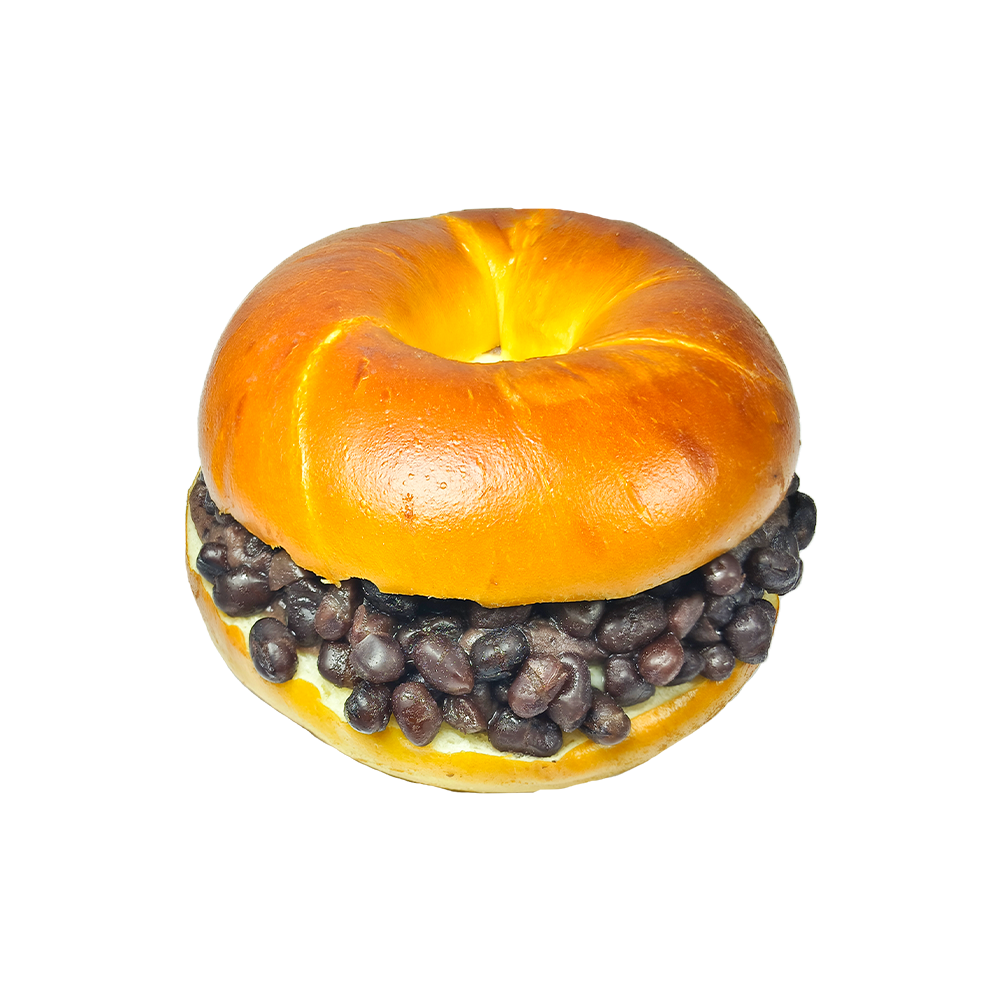
This product stands out because it connects three strong sensory ideas in one 170g serving: the deep brown glossy crust of a pretzel, the clean sweetness of red bean, and the mild tang of cream cheese balanced with butter. The result is not a typical plain bagel with a spread added afterward, nor is it a heavy dessert bread that overwhelms the palate. It sits in a commercially valuable position between breakfast, afternoon tea, café bakery, and light meal occasions. For operators, it offers a ready-to-serve experience with minimal labor. For consumers, it offers a satisfying contrast of chewy crust, tender crumb, silky-sandy bean texture, and velvety dairy filling.
Product Overview
The Pretzel Red Bean Cream Cheese Bagel is a frozen prepared bagel product with a stated weight of 170g. Its formulation is built around a pretzel-style bagel base, red adzuki beans, cream cheese from New Zealand Anchor, and dairy butter. The product is suitable for businesses looking for differentiated frozen bagels, filled bagels, café bakery items, breakfast products, and private label or OEM bakery solutions.
Unlike many filled bakery products that rely mainly on sweetness, this bagel uses a savory-salty crust as its first flavor signal. The German-style lye bath process gives the surface a deep brown color, glossy appearance, and unmistakable pretzel aroma. This exterior immediately communicates premium craft and provides a contrast to the smoother, sweeter center. The red bean filling contributes a restrained sweetness, while the dairy layer provides richness and a gentle tang. Together, these components create a layered flavor profile that is more complex than a conventional sweet bun and more indulgent than a plain classic bagel.
The product can support several retail and foodservice formats. It can be positioned as a stuffed bagel, a premium cold sandwich bagel, a breakfast bakery item, or a café-ready frozen bagel. Its flavor profile is familiar enough to be approachable but unusual enough to create menu differentiation. The red bean element appeals to consumers who enjoy Asian-inspired bakery flavors, while the pretzel crust and cream cheese broaden its appeal for international-style bakery menus.
The Appeal of a Pretzel-Style Bagel Base
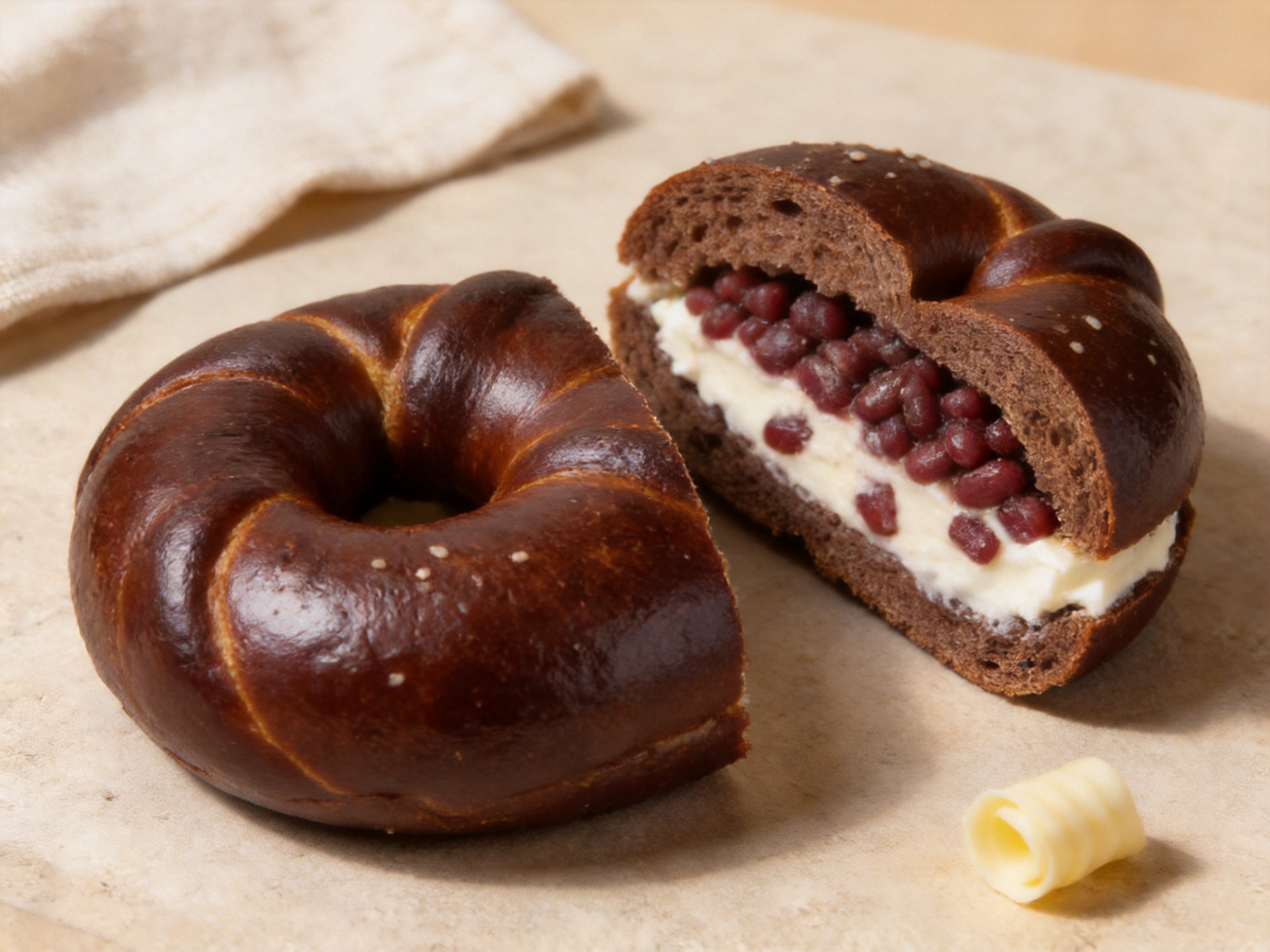
The bagel base is one of the product’s most important competitive advantages. Many frozen bagels in the market rely on standard dough, simple toppings, or sweet fillings to create variety. This product instead begins with a German-style lye bath process, creating a crust that is visually and texturally distinct. After baking, the surface develops a deep brown color and a glossy finish. This appearance is immediately recognizable and gives the product a premium, handcrafted impression even before the first bite.
The lye bath also contributes flavor. It creates the savory base note associated with pretzels: slightly salty, lightly alkaline, and deeply baked. This flavor gives the bagel structure and prevents the red bean and dairy components from becoming too sweet. The first bite has a pleasantly chewy exterior with a slight snap, followed by a softer and more tender interior. This contrast is especially important in frozen bakery products, where texture can often become either dry or overly soft after thawing. By building the bagel around a robust crust and balanced crumb, the product maintains a more satisfying eating experience.
From a menu development perspective, the pretzel-style base also creates strong visual value. A deep brown glossy bagel looks distinctive in packaging, in display cabinets, and in photography. For retailers and café chains, this matters because customers often make quick decisions based on appearance. A standard pale bagel may require toppings or elaborate presentation to attract attention. A pretzel-style bagel already carries a premium signal through its color and sheen.
Red Adzuki Beans: Clean Sweetness and Natural Texture
The filling uses plump red adzuki beans that are slowly simmered to achieve a silky, fine, sandy texture while retaining some whole bean pieces. This approach is important because red bean filling can vary widely in quality. Lower-quality fillings may be overly sweet, pasty, artificial in aroma, or completely uniform in texture. In contrast, this product preserves a more natural bean character. The sweetness is clean and restrained, allowing the natural fragrance of the bean to come through.
The intentionally retained whole bean pieces provide a subtle natural bite. This prevents the filling from feeling flat or overly processed. The combination of fine sandy texture and occasional whole-bean texture gives the consumer a sense of authenticity. It also supports a more balanced eating experience because the red bean filling does not simply act as sugar paste. Instead, it contributes fragrance, texture, and a comforting finish.
In competitive terms, the red bean component gives the product strong differentiation. Many filled bagels in the market focus on chocolate, blueberry, cheese, ham, or sweet cream. Red bean provides a familiar but premium Asian bakery direction, particularly suitable for tea shops, coffee chains, bakery counters, convenience retail, and foodservice operators looking for cross-cultural bakery flavors. When paired with pretzel crust and cream cheese, red bean becomes more modern and layered, rather than traditional alone.
Cream Cheese and Butter: Richness Without Heaviness
The product includes New Zealand Anchor cream cheese and dairy butter, creating a smooth dairy layer that harmonizes with the red bean filling. Cream cheese adds velvety richness and a subtle tang, while butter deepens the dairy aroma and provides a fuller aftertaste. The combination gives the product a creamy center that feels indulgent but not excessive.
This dairy component is important because it bridges the savory pretzel crust and the sweet red bean filling. Without cream cheese, the product might taste more like a sweet bean bread. Without red bean, the dairy might be too plain. Together, they create a balanced sweet-savory-milky profile. The cream cheese brings slight acidity and smoothness; the butter adds warmth and roundness; the red bean adds gentle sweetness and bean fragrance; the pretzel crust adds chew and savory depth.
For consumers, this combination offers a complete flavor journey. The crust gives the first savory impression, the crumb provides softness, the red bean adds comforting sweetness, and the dairy filling gives a creamy finish. For commercial buyers, this means the product can be sold as a premium item without requiring additional preparation or complicated finishing steps.
Why This Product Outperforms Many Conventional Bagels
Compared with standard classic bagels, the Pretzel Red Bean Cream Cheese Bagel has stronger built-in flavor complexity. A plain bagel usually depends on spreads, toppings, or sandwich fillings added later. This creates additional labor and introduces variability in portioning and quality. This product already contains a carefully balanced filling system, allowing operators to serve a complete item more consistently.
Compared with ordinary stuffed bagels, this product has a more distinctive crust. Many stuffed bagels use the same dough base for multiple flavors, changing only the filling. That approach can reduce production complexity but often makes the eating experience less memorable. Here, the pretzel-style base is not a minor detail; it is a core feature. It contributes color, aroma, chew, and savory balance.
Compared with sweet buns or filled breads, the bagel structure offers a more substantial chew and a modern bakery identity. Consumers seeking a more satisfying breakfast or afternoon snack may prefer the denser, chewier structure of a bagel over a soft bun. At the same time, the product remains easy to eat and convenient after thawing. This makes it suitable for fast breakfast service, grab-and-go retail, and relaxed afternoon tea occasions.
Compared with many frozen bakery items, the product is designed around stability and convenience. It is ready to enjoy after thawing, helping businesses reduce on-site preparation time. This is valuable for locations with limited kitchen space, limited labor, or high peak-hour demand. A café or convenience store can expand its bakery offering without needing to make dough, cook fillings, manage fermentation, or train staff for complex production.
Manufacturing Strength Behind the Product
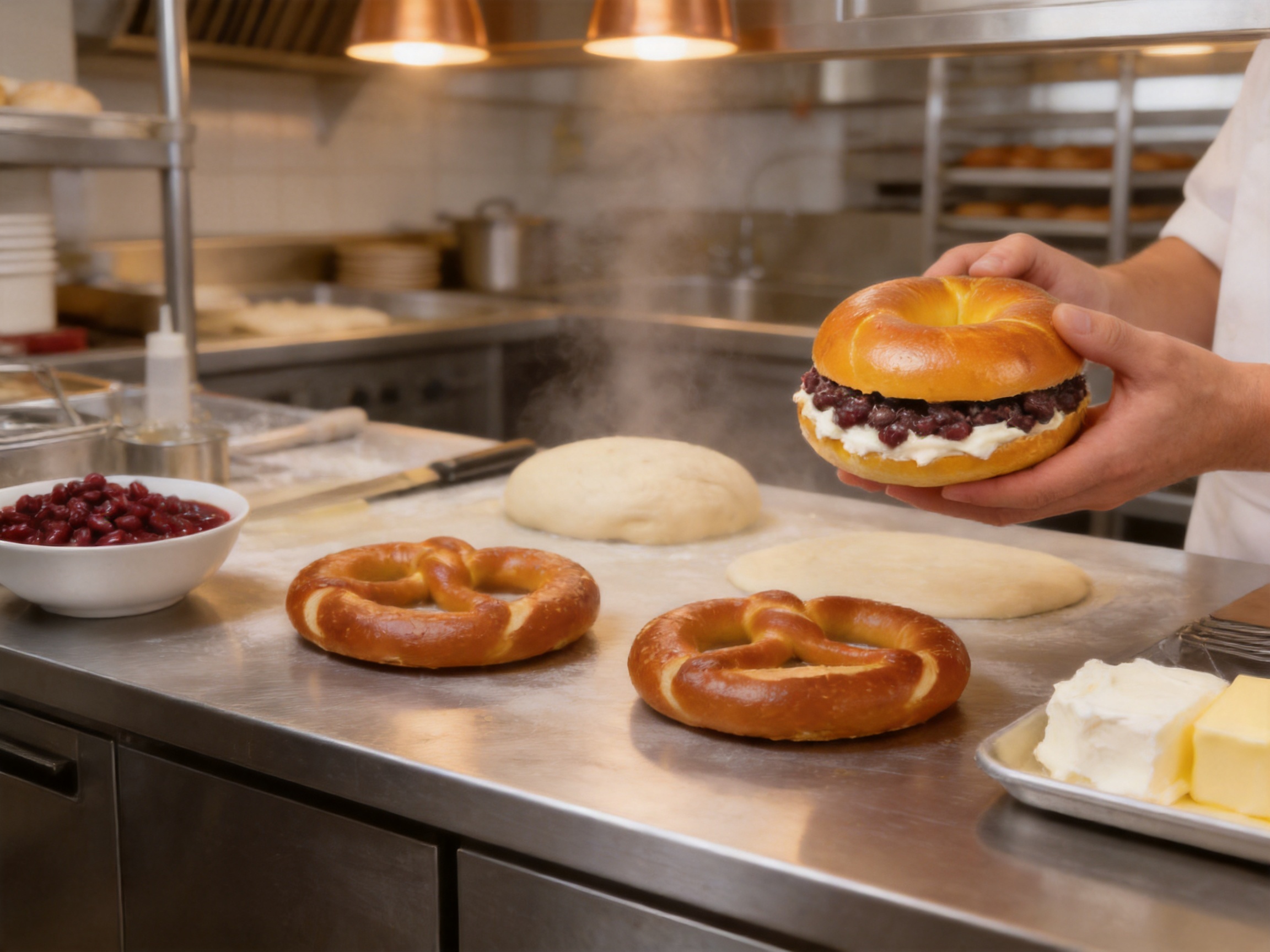
Jiangsu Goobagel Food Technology Co., Ltd. has specialized in bagel research and manufacturing since 2019. As a modern frozen bakery producer, the company operates an integrated supply chain covering raw materials, research and development, production, and nationwide distribution. This background supports the consistent quality required for commercial frozen bagel supply.
The company’s product development capability is especially important. With more than 100 clean-label bagel varieties developed for retail, foodservice, café chains, tea brands, and bakery operators, the company understands how to adapt bagel products to different commercial channels. This experience helps ensure that a product such as the Pretzel Red Bean Cream Cheese Bagel is not only tasty in a test kitchen but also practical for real business operations.
Advanced manufacturing in frozen bakery depends on more than equipment. It requires process discipline, formulation knowledge, filling control, freezing performance, and distribution reliability. A filled bagel with a pretzel-style crust and dairy-bean center must be developed carefully so that the crust, crumb, and filling remain balanced after freezing and thawing. The product must avoid dryness, collapse, leaking, excessive sweetness, and uneven texture. The company’s integrated approach supports this type of stability.
Process Design: From Raw Material Selection to Frozen Supply
The product begins with ingredient selection. The bagel base must be formulated to tolerate the lye bath process while still delivering a chewy exterior and tender interior. The red adzuki beans must be suitable for slow simmering, with enough structure to retain some whole-bean texture while also creating a fine, sandy paste. The dairy ingredients must provide smoothness, flavor, and balance without overwhelming the bean fragrance.
The lye bath stage is central to the product’s identity. This process requires careful control because it affects crust color, flavor, and surface texture. Properly managed, it creates the deep brown glossy surface and savory note associated with pretzels. Poorly managed, it can result in uneven color, harsh flavor, or inconsistent crust. The product’s advantage comes from turning this technically demanding process into a repeatable commercial feature.
The red bean preparation requires patience and control. Slow simmering helps develop a smooth, natural texture and allows sweetness to integrate evenly. The goal is not simply to soften beans but to build a filling that feels clean, comforting, and balanced. Retaining some whole bean pieces requires judgment, because too many pieces may make the filling rough, while too few may make it monotonous. The selected texture gives the product both softness and natural bite.
The dairy blending step brings together cream cheese and butter to create a rich but balanced layer. This stage must account for mouthfeel, flavor release, and compatibility with the red bean filling. The dairy should enhance the product rather than dominate it. The result is a filling system where sweet, savory, and milky notes harmonize naturally.
Freezing is another key stage. Frozen bakery products must be designed for performance after storage and thawing. If freezing is not well managed, texture can suffer, moisture can migrate, and fillings may lose smoothness. A strong frozen bakery manufacturer must develop products that preserve eating quality while enabling efficient distribution. This is one of the major advantages of working with a specialized frozen bagel producer rather than a general bakery supplier.
Commercial Advantages for Retail and Foodservice Buyers
For retailers, this product offers a premium ready-to-sell bakery item with strong shelf appeal. The deep brown crust, 170g portion, and filled interior create a product that feels substantial and differentiated. It can be positioned in frozen bakery sections, chilled ready-to-eat displays after thawing, or café bakery menus. Its flavor story is easy for staff to explain: pretzel-style bagel, red bean, cream cheese, and butter.
For café chains, the product helps expand breakfast and afternoon tea menus with minimal operational burden. Staff do not need to prepare red bean filling, spread cream cheese, or assemble sandwiches. This reduces labor pressure and helps maintain consistency across multiple stores. When a chain operates many locations, product uniformity becomes essential. A frozen prepared bagel can support standardized menu execution.
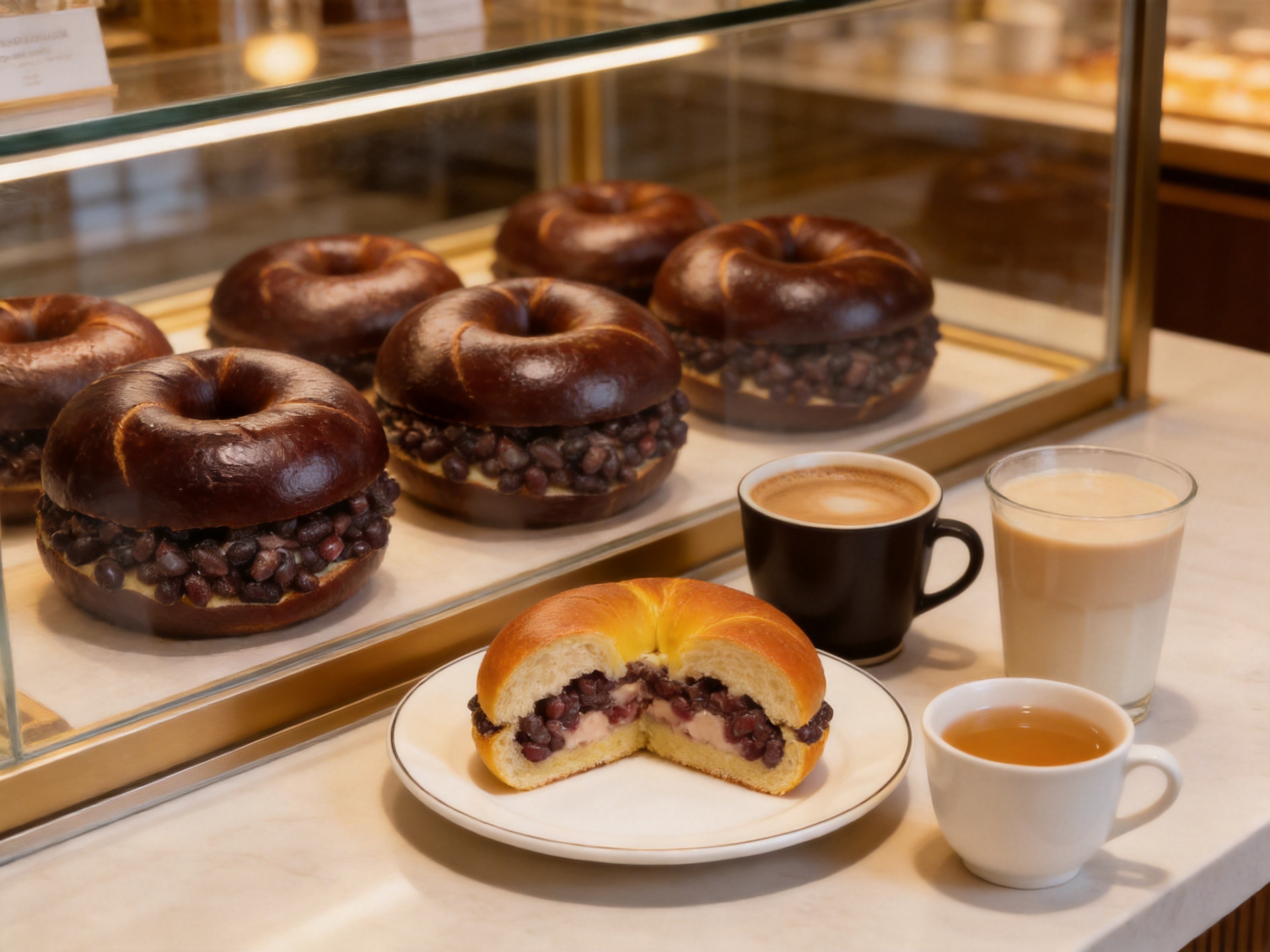
For tea brands, the sweet-savory-milky flavor profile pairs naturally with milk tea, fruit tea, coffee, and light beverages. Red bean is already familiar in many beverage and dessert contexts, while the pretzel crust gives the product a more modern international bakery appeal. This makes it suitable for combo meals, seasonal launches, or limited-time bakery offerings.
For foodservice operators, the product provides convenience and portion control. A 170g bagel has enough weight to feel satisfying, and the filled format reduces the need for additional ingredients. This can help simplify inventory management because the product itself contains multiple flavor components. Operators can serve it as-is after thawing or use it as part of a broader breakfast set.
Product Positioning and Usage Scenarios
The Pretzel Red Bean Cream Cheese Bagel can fit into multiple product categories. It can be described as a stuffed bagel because the filling is central to the product. It can also function as a cold sandwich bagel because it offers a complete eating experience without hot assembly. In broader commercial classification, it belongs to the frozen bagel and prepared bakery segment.
Breakfast is one of the strongest usage occasions. The chewy crust and filled center provide satisfaction, while the restrained sweetness prevents the product from feeling too dessert-like early in the day. Consumers looking for a convenient breakfast can enjoy it after thawing, and operators can offer it without extensive preparation.
Afternoon tea is another excellent occasion. The red bean and dairy notes pair well with tea and coffee, while the pretzel crust adds a savory counterpoint. This makes the product feel more refined than a simple sweet pastry. It can be marketed as a comforting yet modern bakery choice for customers seeking a small indulgence.
Grab-and-go retail is also suitable. Because the product has a complete flavor profile and attractive appearance, it can be sold as an individual bakery item. Its 170g size supports a satisfying portion, and its differentiated flavor can help it stand out among standard breads, muffins, and plain bagels.
Product Feature Comparison
| Feature | Pretzel Red Bean Cream Cheese Bagel | Typical Plain Bagel | Typical Sweet Filled Bread |
|---|---|---|---|
| Crust Identity | German-style lye bath creates deep brown glossy pretzel crust with savory note | Usually simple baked crust with limited visual distinction | Often soft and pale, focused more on filling than crust |
| Texture | Chewy exterior with slight snap, tender interior, creamy and bean-textured center | Chewy but often requires added spread or filling | Soft and fluffy, sometimes lacking bite or structure |
| Flavor Balance | Sweet, savory, milky, and mildly tangy in one product | Neutral flavor, dependent on toppings | Often mainly sweet, with less savory balance |
| Operational Convenience | Ready to enjoy after thawing; filled and portioned | Requires slicing, spreading, or sandwich assembly | Usually ready to eat but may lack premium bagel positioning |
| Market Differentiation | Combines pretzel craft, red bean comfort, and cream cheese richness | Common and widely available | Familiar but may not stand out in premium bakery menus |
| Best Use Cases | Cafés, tea brands, retail bakery, breakfast, afternoon tea, private label | Breakfast shops, sandwich counters, general bakery | Snack shelves, bakery displays, dessert occasions |
Clean-Label Development Mindset
The company has developed more than 100 clean-label bagel varieties, showing a clear focus on modern consumer expectations. Clean-label thinking is important in bakery development because consumers increasingly pay attention to ingredient quality, flavor authenticity, and product transparency. While each market has its own labeling requirements, the broader direction is clear: buyers want bakery products that feel honest, recognizable, and well made.
The Pretzel Red Bean Cream Cheese Bagel reflects this mindset through its ingredient story. The pretzel crust is created through a traditional-style process rather than artificial visual decoration. The red bean filling is based on slow-simmered adzuki beans rather than simply sweet paste. The dairy richness comes from cream cheese and butter. These elements allow the product to communicate quality in a direct and understandable way.
For private label customers, this type of product story is valuable. A retailer or café brand can present the bagel as a thoughtfully developed item rather than a generic frozen bakery product. The combination of craft process, natural bean texture, and dairy richness can support premium pricing and stronger consumer interest.
OEM and Private Label Potential
Jiangsu Goobagel Food Technology Co., Ltd. offers strong relevance for OEM and private label bagel projects because of its specialization in frozen bagel manufacturing and product development. Many buyers need more than a supplier; they need a development partner capable of understanding market positioning, flavor trends, production feasibility, and distribution stability. The company’s experience with retail, foodservice, café chains, tea brands, and bakery operators supports this role.
The Pretzel Red Bean Cream Cheese Bagel can serve as a model for how customized products may be developed. It demonstrates the ability to combine international bakery techniques with localized flavor preferences. The pretzel process brings European-style craft appeal, red bean brings familiar Asian comfort, and cream cheese adds global café-style richness. This type of cross-category innovation is especially useful for brands seeking products that feel fresh without being difficult for consumers to understand.
Private label customers may be interested in adapting sweetness level, packaging format, serving channel, or product naming according to their market. OEM customers may value the company’s ability to provide reliable frozen bagel production at scale. In both cases, the key advantage is the manufacturer’s specialization. Bagel production is not identical to ordinary bread production; it requires control over dough texture, crust formation, filling balance, and frozen performance.
Supply Chain and Distribution Reliability
Commercial bakery buyers need products that can be supplied consistently. A delicious sample is not enough if the manufacturer cannot maintain stable quality or reliable delivery. The company operates a fully integrated supply chain covering raw materials, R&D, production, and nationwide distribution. This integrated structure supports consistency from product concept to delivery.
Raw material management helps maintain flavor and texture standards. R&D capability supports product improvements and new flavor development. Production expertise ensures that technical processes such as lye bathing, filling preparation, baking, and freezing are repeatable. Distribution capacity supports timely supply to business customers. Together, these strengths reduce the risk of inconsistency that can occur when production and supply chain steps are fragmented.
For café chains and retail buyers, this reliability matters because product inconsistency directly affects customer trust. If one store serves a bagel with a glossy pretzel crust and balanced filling, but another store receives a dull or dry version, the brand experience suffers. A professional frozen bakery manufacturer helps protect that consistency across locations and batches.
Sensory Experience: From Appearance to Aftertaste
The sensory journey begins with appearance. The deep brown glossy crust signals pretzel craftsmanship and premium baking. This visual cue is stronger than a standard bagel surface and helps the product attract attention in a crowded bakery environment.
The aroma follows. The pretzel crust gives a baked savory note, while the dairy and red bean provide gentle sweetness and warmth. The aroma is not sharply sugary; it is rounded and layered. This makes the product suitable for both breakfast and afternoon occasions.
The first bite delivers chew and slight snap from the exterior. This matters because texture is often the difference between a memorable bagel and an ordinary bread product. The interior then softens the experience, creating a satisfying contrast. The filling adds a smooth, creamy, and lightly grainy texture from the red bean, supported by the richness of cream cheese and butter.
The aftertaste is gentle and lingering. The butter deepens the dairy aroma, while the cream cheese leaves a mild tang. The red bean finishes with clean sweetness, and the pretzel crust leaves a savory memory. This layered finish encourages repeat purchase because the product does not become monotonous after a few bites.
Why Balance Matters in Filled Bagels
Filled bakery products often fail when one element dominates. Too much sugar can make the product tiring. Too much dairy can feel heavy. Too little filling can disappoint consumers. Too soft a crust can make the product feel ordinary. The Pretzel Red Bean Cream Cheese Bagel is designed around balance: savory crust, tender interior, restrained bean sweetness, smooth dairy richness, and convenient portion size.
This balance is particularly important for commercial foodservice. A product served at scale must satisfy many consumers, not just niche flavor seekers. The sweet-savory profile broadens appeal because it can satisfy customers who want indulgence as well as those who prefer less sweetness. The pretzel crust adds maturity to the flavor, making it suitable for adult consumers and café environments.
Balance also supports beverage pairing. With coffee, the dairy and pretzel notes feel warm and bakery-like. With milk tea, the red bean and cream cheese create a dessert-like harmony. With plain tea, the restrained sweetness prevents flavor fatigue. This flexibility increases the product’s value to operators who want items that pair across a menu.
Operational Simplicity and Labor Savings
Labor efficiency is a major concern for modern foodservice operations. Many cafés, convenience stores, and bakery counters operate with limited staff and need products that are easy to serve consistently. This bagel is ready to enjoy after thawing, making it suitable for fast breakfast service and afternoon tea offerings.
Because the product is already filled, there is no need for staff to slice bagels, portion cream cheese, cook red bean, or assemble components. This reduces training requirements and minimizes preparation errors. It also helps control food cost because each unit has a consistent portion size and filling balance.
Operational simplicity also supports expansion. A single-location café may be able to manage complex preparation manually, but a chain with many stores needs standardized processes. Frozen prepared bagels allow brands to expand bakery menus while maintaining quality control. This is one reason frozen bakery solutions are increasingly important for retail and foodservice channels.
Packaging, Merchandising, and Customer Communication
The product’s story is easy to communicate in packaging and merchandising. Key messages include pretzel-style crust, red bean filling, cream cheese and butter richness, 170g satisfying portion, and ready-to-enjoy convenience after thawing. These points are simple enough for consumers to understand quickly but rich enough to support premium positioning.
Visual merchandising can emphasize the contrast between the glossy dark crust and the creamy red bean center. Even without complicated decoration, the product has a distinctive look. In retail settings, the phrase “pretzel red bean cream cheese bagel” immediately communicates novelty and flavor depth. In cafés, staff can describe it as chewy, creamy, mildly sweet, and savory.
For private label packaging, the product can support different market tones. It can be positioned as a modern Asian-inspired bakery item, a premium stuffed bagel, a frozen breakfast solution, or a café-style snack. This flexibility gives buyers room to adapt the product to their own brand identity.
Company Capability and Values
Jiangsu Goobagel Food Technology Co., Ltd. operates with a clear vision: to strive for a better life. Its mission is to provide customers with high-quality and healthy products and to provide partners with opportunities to realize their dreams. Its values are persistence, craftsmanship, respect, and science. These values are relevant to the Pretzel Red Bean Cream Cheese Bagel because the product requires both craft sensitivity and technical control.
Persistence is reflected in the development of specialized bagel products since 2019. Craftsmanship appears in the attention to crust, filling texture, and flavor balance. Respect can be seen in the focus on customer needs across retail, foodservice, café chains, tea brands, and bakery operators. Science supports controlled production, freezing performance, and consistent supply.
The company’s strength is not only the ability to produce bagels, but the ability to develop bagel solutions for different commercial applications. A product like this requires understanding of consumer taste, bakery process, frozen supply, and operator convenience. That combination is what allows the company to support customers seeking OEM bagel manufacturing, frozen bagels wholesale, and private label bagel projects.
Strategic Value in the Frozen Bagel Market
The frozen bagel market continues to grow because it addresses several business needs: consistency, convenience, reduced waste, wider distribution, and menu flexibility. For operators, frozen products allow better inventory planning and easier expansion. For consumers, they can still deliver a high-quality bakery experience when well formulated.
The Pretzel Red Bean Cream Cheese Bagel is strategically valuable because it is not merely another frozen plain bagel. It offers differentiation in crust, filling, flavor, and usage occasion. This helps buyers avoid direct price competition with commodity bakery items. A generic plain bagel may compete mainly on cost, but a premium filled pretzel-style bagel can compete on experience and uniqueness.
This matters especially for brands that want to increase average transaction value. A distinctive stuffed bagel can be sold as a premium breakfast item, a beverage pairing, or a limited-time bakery product. It can also help attract consumers who are curious about new flavors but still want something familiar and satisfying.
Quality Consistency as a Competitive Advantage
In bakery manufacturing, consistency is often more difficult than creativity. Many producers can create one appealing sample, but fewer can reproduce the same product at commercial scale. The Pretzel Red Bean Cream Cheese Bagel depends on consistent crust color, proper chew, stable filling distribution, balanced sweetness, and reliable thawing performance. These details must remain steady across batches.
The company’s integrated supply chain and specialized bagel manufacturing background support this consistency. R&D can define the target product standard, production can execute it, and distribution can maintain supply. For buyers, this means reduced uncertainty and easier menu planning.
Consistency also supports brand reputation. When customers buy the product repeatedly, they expect the same experience: glossy pretzel crust, chewy bite, soft interior, clean red bean sweetness, and creamy dairy finish. Reliable manufacturing helps make that repeat experience possible.
Q&A Section
What makes the Pretzel Red Bean Cream Cheese Bagel different from a standard bagel?
It combines a German-style lye bath pretzel crust with red adzuki bean filling and a cream cheese-butter dairy layer. A standard bagel is often neutral and needs spreads or toppings, while this product is already filled, balanced, and ready to enjoy after thawing.
Why is the lye bath process important?
The lye bath creates the signature pretzel-style deep brown glossy crust. It also adds a savory-salty base note and helps create a chewy exterior with a slight snap. This process gives the bagel stronger visual appeal and a more memorable flavor than ordinary baked crusts.
Is the red bean filling very sweet?
The sweetness is designed to be clean and restrained. The red adzuki beans are slowly simmered to create a silky-sandy texture while retaining some whole bean pieces. This allows the natural bean fragrance to come through instead of being hidden by excessive sugar.
What role does cream cheese play in the product?
Cream cheese adds smooth richness and a subtle tang. Together with dairy butter, it deepens the milky aroma and creates a fuller finish. It also balances the red bean sweetness and the savory pretzel crust.
Who can use this product commercially?
The product is suitable for retailers, café chains, tea brands, bakery operators, convenience stores, foodservice companies, and private label customers. It can be used for breakfast, afternoon tea, grab-and-go retail, and premium frozen bakery programs.
How does the product help reduce labor for foodservice operators?
Because it is already filled and portioned, staff do not need to cook red bean, prepare cream cheese, slice bagels, or assemble sandwiches. The product is ready to enjoy after thawing, helping simplify service and improve consistency.
Why is this product suitable for OEM or private label projects?
It demonstrates the manufacturer’s ability to combine differentiated process technology, balanced fillings, frozen bakery performance, and commercial usability. The company’s experience with more than 100 clean-label bagel varieties supports product customization and scalable supply.
What beverages pair well with this bagel?
It pairs well with coffee, plain tea, milk tea, and fruit tea. Coffee highlights the dairy and pretzel notes, tea balances the sweetness, and milk tea complements the red bean and cream cheese profile.
Conclusion
The Pretzel Red Bean Cream Cheese Bagel is a strong example of modern frozen bakery innovation. It brings together the visual and flavor appeal of a pretzel-style crust, the comforting natural sweetness of slow-simmered red adzuki beans, and the smooth richness of cream cheese and butter. The product is convenient, distinctive, and commercially practical, making it suitable for retail, foodservice, café, tea brand, bakery, OEM, and private label channels.
Its advantages over many competing products are clear. It has more built-in flavor than a plain bagel, more crust identity than a typical stuffed bread, more operational convenience than assembled sandwiches, and stronger differentiation than many standard frozen bakery items. The 170g portion offers satisfying value, while the ready-to-enjoy thawing format supports efficient service.
Behind the product is a specialized frozen bagel manufacturer with integrated supply chain capabilities, R&D strength, production experience, and nationwide distribution. Since 2019, Jiangsu Goobagel Food Technology Co., Ltd. has focused on bagel research and manufacturing, developing more than 100 clean-label varieties for diverse commercial applications. This foundation allows the company to create products that are not only flavorful but also stable, scalable, and suitable for real market needs.
For buyers seeking frozen bagels wholesale, OEM bagel manufacturing, or private label bagel solutions, the Pretzel Red Bean Cream Cheese Bagel offers a compelling direction. It is crafted enough to feel premium, practical enough for daily operations, and distinctive enough to help a menu or retail line stand out. In a competitive bakery market, that combination of flavor, process, convenience, and manufacturing reliability is exactly what creates long-term product value.
References
AIB International. Baking Science and Technology: Practical Guidelines for Commercial Bakery Production.
Cauvain, Stanley P. Breadmaking: Improving Quality. Woodhead Publishing.
Pyler, E. J., and Gorton, L. A. Baking Science and Technology. Sosland Publishing.
Seibel, Wilfried. Pretzel and Lye Bakery Processing Principles in European Baking Traditions.
Hui, Y. H. Bakery Products: Science and Technology. Wiley-Blackwell.
Manley, Duncan. Technology of Biscuits, Crackers and Cookies: Processing, Quality, and Formulation Principles.
